
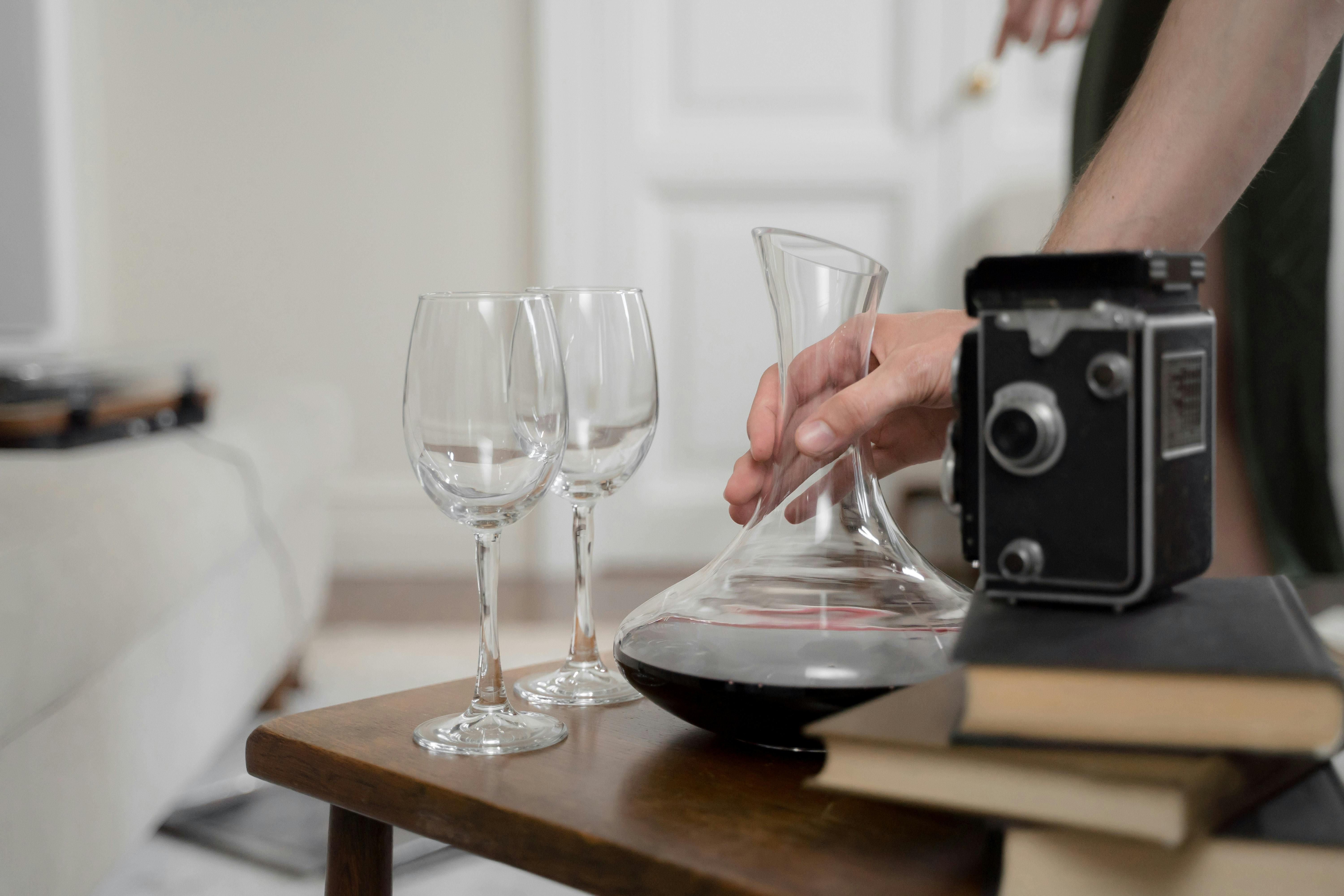
Collectors discuss vintages endlessly and storage history rarely, which reverses the actual order of importance. What happened to a bottle after it left the cellar determines more than what happened in the vineyard.
Heat damage is irreversible
Wine held above its intended range ages chemically faster and develops cooked, stewed characters. No amount of subsequent cool storage reverses what has already happened.
The reactions involved run in one direction only, so a bottle that spent a summer in a warm room carries that history permanently. The damage compounds with every repeat exposure.
Nothing on the outside of the bottle records this reliably, which is why a documented chain of custody has commercial value in itself.
What a provenance record contains
The strongest position is a bottle that travelled from the producer to a professional storage facility and stayed there under one account.
Records typically include purchase documentation, storage receipts and any movement between facilities, each of which is a moment of temperature risk.
Bottles released directly from a producer's own cellar carry the shortest possible chain, which is why such releases command a premium over identical wine from the trade.
Every transfer is an exposure
Wine in transit sits in vehicles and warehouses where temperature control is variable, and summer shipping is a recognised hazard.
Temperature-controlled shipping exists but costs considerably more, and its use is a decision the buyer often cannot verify after the fact.
Each additional sale in a bottle's history adds another such episode, which is why heavily traded bottles are viewed more sceptically than untraded ones.
Provenance is also an authenticity question
Counterfeiting concentrates on rare and expensive bottles, and a documented chain back to the producer is the primary defence against it.
Bottles surfacing from unexplained sources with no history attract scrutiny regardless of how convincing the packaging appears.
Auction houses now devote substantial resources to this, and the willingness to reject a consignment outright is part of what a saleroom's commission buys.
What this means when buying
A modest vintage from a well-documented cellar is frequently a better purchase than a celebrated one from an unknown source at the same price.
Where the history is unclear, the sensible adjustment is to treat the bottle as a drinking prospect rather than an investment and price it accordingly.
The corollary applies to the collector's own cellar, since bottles kept without records will eventually be sold into the same scepticism.