
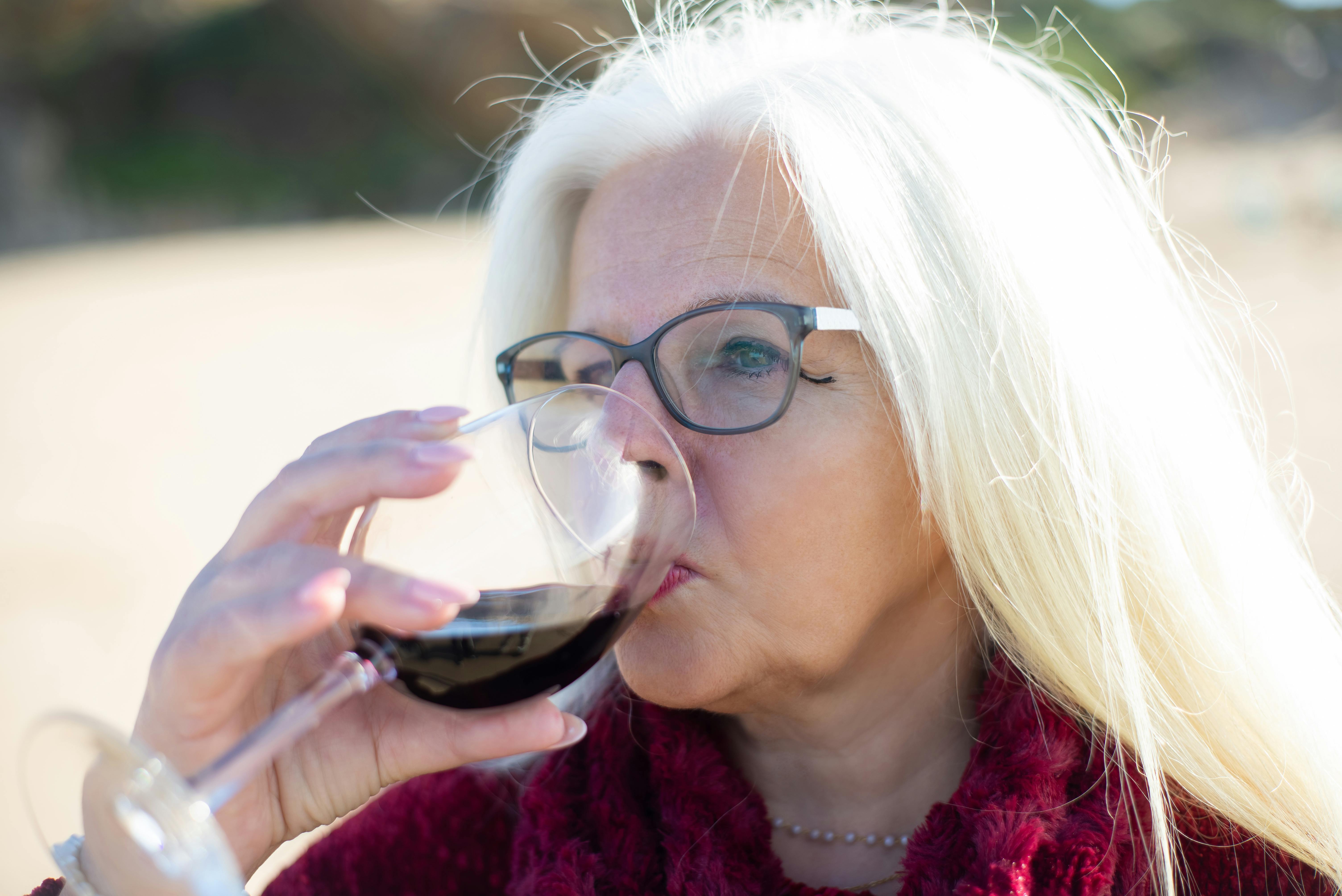
In a world obsessed with wellness metrics and conflicting health advice, can the ancient pleasure of wine truly find its place? We navigate the complex intersection of joy, health, and moderation, revealing how the right bottle, enjoyed thoughtfully, isn't just a treat, but an integral thread in the rich tapestry of a truly balanced, fulfilling American life.
Alcohol Health How Wine Fits Into A Balanced Lifestyle
🍷 What's Happening Right Now
The conversation around alcohol and health in the United States is more complex, and frankly, more confusing, than ever before. On one hand, we're witnessing a powerful surge in the "wellness" movement. From "Dry January" becoming a mainstream phenomenon to the burgeoning market for premium non-alcoholic spirits and mocktails, a significant segment of the population is actively re-evaluating their relationship with alcohol. Health apps track every calorie and macronutrient, fitness trackers monitor sleep and stress, and social media feeds are awash with influencers promoting sobriety or extreme moderation as the ultimate path to physical and mental well-being.
Yet, simultaneously, the appreciation for fine wine continues its upward trajectory. Americans are increasingly sophisticated in their palates, seeking out unique varietals, exploring obscure regions, and investing in experiences that elevate wine beyond a mere beverage to a cultural cornerstone. Wine clubs flourish, sommeliers are revered, and the ritual of uncorking a cherished bottle for a special occasion or a quiet evening at home remains a deeply ingrained part of our social fabric. This dichotomy presents a fascinating challenge: how do we reconcile the health-conscious zeitgeist with the enduring allure of wine? How do we, as modern individuals striving for balance, integrate the pleasure of a fine Cabernet or a crisp Sauvignon Blanc into a lifestyle that prioritizes longevity and vitality?
The truth is, blanket statements and fear-mongering don't serve anyone. Recent studies, often sensationalized, frequently paint a grim picture of alcohol consumption, leading many to believe that any amount is detrimental. While responsible consumption is paramount, these narratives often miss the nuance, the historical context, and the psychological benefits that have made wine a companion to humanity for millennia. For the discerning wine enthusiast, someone who appreciates the craft, the terroir, and the shared experience, the question isn't whether to abstain entirely, but rather, "How can I enjoy wine responsibly, mindfully, and in a way that truly enhances my balanced lifestyle, rather than detracting from it?"
This isn't about ignoring health advice; it's about understanding it within a broader context. It's about recognizing that "balance" isn't a rigid formula, but a dynamic interplay of physical health, mental well-being, social connection, and personal enjoyment. For many, wine, when approached with intention and moderation, plays a vital role in fostering these elements. It can be the catalyst for meaningful conversations, the perfect pairing for a home-cooked meal, a moment of quiet reflection after a long day, or a celebration of life's milestones. The key lies in shifting our perspective from consumption as a habit to consumption as a conscious choice, an act of mindful enjoyment that aligns with our overall wellness goals. This requires a deeper understanding of what we're drinking, why we're drinking it, and how it truly fits into the mosaic of our lives.
💰 Best Options in Comparison
Navigating the world of wine with a health-conscious mindset doesn't mean sacrificing enjoyment; it means making informed choices that align with your balanced lifestyle. For the discerning WINE MYSTIQUES enthusiast, understanding the nuances of different wine types and consumption strategies can elevate the experience while contributing to overall well-being. Here, we compare various "options" not just in terms of perceived health benefits, but also their commercial appeal and how they fit into a modern, balanced American lifestyle.
| Wine/Option Category | Key Characteristics & Health Considerations | Commercial Appeal & Lifestyle Fit |
|---|---|---|
| 1. The Robust Red (e.g., Pinot Noir, Cabernet Sauvignon) |
Health: Often lauded for high levels of antioxidants, particularly resveratrol, derived from grape skins. These compounds are studied for their potential benefits in cardiovascular health and anti-inflammatory properties. Generally higher in tannins. Considerations: Can be higher in alcohol content (ABV), requiring stricter moderation. Deeper colors sometimes indicate higher polyphenol content. |
Appeal: A cornerstone for serious wine enthusiasts. Evokes sophistication, warmth, and tradition. Perfect for pairing with rich meals (steaks, stews) or enjoying during cooler months. High perceived value, excellent for cellaring and special occasions. Lifestyle Fit: Ideal for mindful evening relaxation, gourmet dining, and social gatherings where quality and depth are appreciated. Promotes slow, appreciative sipping. |
| 2. The Crisp White (e.g., Sauvignon Blanc, Pinot Grigio) |
Health: Generally lower in tannins and often perceived as "lighter." While not as rich in resveratrol as reds, they still contain antioxidants. Some studies suggest benefits for lung health, though research is less extensive than for reds. Considerations: Can be higher in residual sugar if off-dry, impacting calorie count. Typically lower ABV than many reds, aiding moderation. |
Appeal: Refreshing, versatile, and excellent for warmer weather or lighter fare (seafood, salads). Highly accessible and popular for casual enjoyment, often seen as a less "intimidating" choice for new wine drinkers. Strong market for premium, terroir-driven whites. Lifestyle Fit: Perfect for bright, social daytime events, outdoor entertaining, or as a palate cleanser. Integrates well into health-conscious meals focused on fresh ingredients. |
| 3. The Elegant Sparkling (e.g., Champagne, Prosecco, Cava) |
Health: Some research suggests certain sparkling wines, particularly those made from red grapes (like Pinot Noir in Champagne), may offer similar antioxidant benefits to still reds. The bubbles themselves can enhance the perception of richness, potentially leading to slower consumption. Considerations: Can range widely in sugar content (Brut Nature being driest). Often lower ABV compared to many still wines, aiding moderation. |
Appeal: Synonymous with celebration, luxury, and joy. High commercial value for gifting and special occasions. The "pop" of a cork is universally recognized as a signal for festivity. Increasingly popular for everyday enjoyment and brunch. Lifestyle Fit: Ideal for marking milestones, brunches, or simply elevating an ordinary evening into something special. Encourages a celebratory, positive mindset. |
| 4. The Mindful Approach (Quality Over Quantity) |
Health: This "option" focuses on the *how* rather than the *what*. Prioritizing smaller quantities of higher-quality wine reduces overall alcohol intake while maximizing sensory pleasure. Less likely to lead to overconsumption and associated negative health impacts. Considerations: Requires discipline and a shift in mindset from casual drinking to intentional tasting. Focus on pairing and appreciation. |
Appeal: Aligns perfectly with the "WINE MYSTIQUES" brand ethos. Encourages exploration of premium wines, rare vintages, and educational experiences (tastings, pairings). Drives sales of higher-value, boutique wines. Lifestyle Fit: The ultimate balanced approach. Transforms wine consumption into an enriching hobby and a form of self-care. Fosters deeper appreciation for the craft and supports local/artisanal producers. |
| 5. The Low/No-Alcohol Movement (Emerging Trend) |
Health: Offers all the flavor and complexity of wine without the alcohol. Eliminates alcohol-related health risks entirely. Can be an excellent choice for designated drivers, pregnant individuals, or those with specific health conditions. Considerations: Quality varies widely; some options may lack the depth of traditional wine. Sugar content can sometimes be higher to compensate for lack of alcohol. |
Appeal: Rapidly growing market. Caters to the health-conscious, those seeking moderation, or individuals who want to participate in social rituals without alcohol. High potential for innovation and new product lines. Lifestyle Fit: Provides flexibility and inclusivity. Allows individuals to enjoy the sensory experience of wine in any situation, aligning with wellness goals while maintaining social engagement. Perfect for "flex-drinking" or sober-curious enthusiasts. |
Ultimately, the "best option" is a personalized choice. For the WINE MYSTIQUES community, it's about integrating these insights to curate a wine experience that is both pleasurable and responsible. It means understanding that a glass of a well-chosen red with a healthy meal, or a celebratory flute of sparkling wine enjoyed with friends, can be a part of a vibrant, balanced life. It's about moving beyond dogma and embracing the art of mindful indulgence, where every sip is savored, and every bottle contributes to the richness of your personal story.
Conclusion
In a world constantly pulling us in different directions, demanding our attention and often creating internal conflict between pleasure and prudence, the quest for a truly balanced lifestyle has never been more vital. Our exploration into "Alcohol Health How Wine Fits Into A Balanced Lifestyle" reveals that the answer isn't found in extremes, but in intention, moderation, and a deep appreciation for quality.
We've witnessed the current American landscape grappling with conflicting health messages and the undeniable allure of wine. We've seen how the wellness movement, while valuable, sometimes overlooks the holistic benefits that a thoughtfully enjoyed glass of wine can bring – from enhancing social connections and reducing stress to complementing culinary experiences and fostering moments of quiet reflection. Wine, in its purest essence, is not merely an alcoholic beverage; it is a product of culture, history, and craft, capable of enriching our lives in myriad ways when treated with respect and discernment.
By examining various wine categories and consumption strategies, we've illuminated how different choices can align with different aspects of a balanced life. Whether it's the antioxidant richness of a robust red, the refreshing lightness of a crisp white, the celebratory joy of sparkling, or the innovative appeal of low/no-alcohol alternatives, there's a place for wine in nearly every thoughtful lifestyle. Crucially, the "Mindful Approach" emerged as the overarching philosophy for the WINE MYSTIQUES enthusiast: prioritizing quality over quantity, understanding the context of consumption, and savoring each sip as an intentional act of enjoyment.
The key takeaway is empowerment. You don't have to choose between health and happiness, between wellness and wine. Instead, you can consciously integrate the two. Embrace wine not as a habit to be broken, but as an experience to be curated. Seek out bottles that speak to your palate and your values, understand their provenance, and pair them with moments that matter. Let wine be an enhancement to your meals, a catalyst for deeper conversations, a reward for your hard work, or a simple, elegant pleasure to punctuate your day.
As you continue your journey with WINE MYSTIQUES, we encourage you to explore, to taste, and to discover how wine can beautifully intertwine with your pursuit of a vibrant, balanced, and truly fulfilling life. Raise a glass, not just to the wine itself, but to the mindful choices that allow it to fit perfectly into your unique tapestry of well-being.