
Red wine and cheese is such a fixed idea that questioning it feels perverse. It's on every restaurant menu, every party table, every romantic film. And it is, most of the time, a mediocre combination that persists on tradition rather than merit.
There's a reason merchants have historically been fond of it, which is that cheese makes almost any red wine taste better and smoother. That's excellent for selling wine and it means you're not really tasting the wine at all.
What cheese does to red wine
Several things, and most of them are subtractive.
The fat and protein in cheese bind to tannins, which softens them. That's why a harsh red seems rounder with cheese — the astringency is being neutralised. Fine if the wine was too tannic, but it also flattens the wine's structure.
Salt, which cheese has in quantity, suppresses bitterness perception and boosts fruitiness. Again, this makes wine taste better in a superficial way while removing its definition.
And strong cheese flavours simply overwhelm delicate wines. A mature Burgundy against a ripe washed-rind cheese is not a pairing, it's a defeat.
The net effect is that cheese acts as a smoothing filter. Wine merchants have known this for a very long time and the phrase "buy on apples, sell on cheese" exists for a reason.
The acid problem
The deeper issue is a structural mismatch. Cheese is fatty. Fat needs acid to cut through it, otherwise the palate gets progressively coated and everything tastes duller.
Most red wines have moderate acidity at best, and the fuller-bodied reds that people reach for with cheese have less. So you get fat plus fat with nothing to clear it.
White wine, which is generally higher in acidity, does the job that red wine can't. This is the single biggest correction available and it takes about one cheeseboard to convince most people.
What actually works
Sweet wine with blue cheese. The best cheese pairing there is, and it works on a clear mechanism. Blue cheeses are intensely salty and pungent; sweetness balances salt directly, and the wine's own acidity handles the fat. Sauternes with Roquefort is the famous version and it deserves its reputation. Port with Stilton is the other classic and it's equally sound.
High-acid whites with soft cheeses. Chablis, Sancerre, dry Riesling, Muscadet with a brie or a fresh goat's cheese. The acid cuts, the wine's delicacy isn't crushed, and both sides remain visible.
Sparkling wine with almost anything. Champagne and a cheeseboard is genuinely excellent. High acidity, plus the physical scrubbing action of the bubbles, plus enough structure to stand up. If you only take one thing from this, it's that fizz beats red wine with cheese comfortably.
Sherry with hard cheeses. Fino or Amontillado with a well-aged Manchego or Comté is superb and criminally underused. The nutty oxidative character in the wine echoes the same qualities in aged cheese.
Cider and beer. Not wine, but honestly often better than either. A dry cider with a farmhouse cheddar is very hard to beat, and a lot of Belgian beer styles work brilliantly.
When red does work
To be fair, there are combinations that succeed.
Hard, aged, nutty cheeses with medium-bodied reds of decent acidity. A Chianti with a Pecorino, a Rioja with a Manchego. These are regional pairings that evolved together and the acidity in Italian and Spanish reds is doing the necessary work.
What tends to fail is the modern default of a big, ripe, low-acid, high-alcohol red with a varied cheeseboard. That combination is fat on fat with nothing cutting through.
The cheeseboard problem
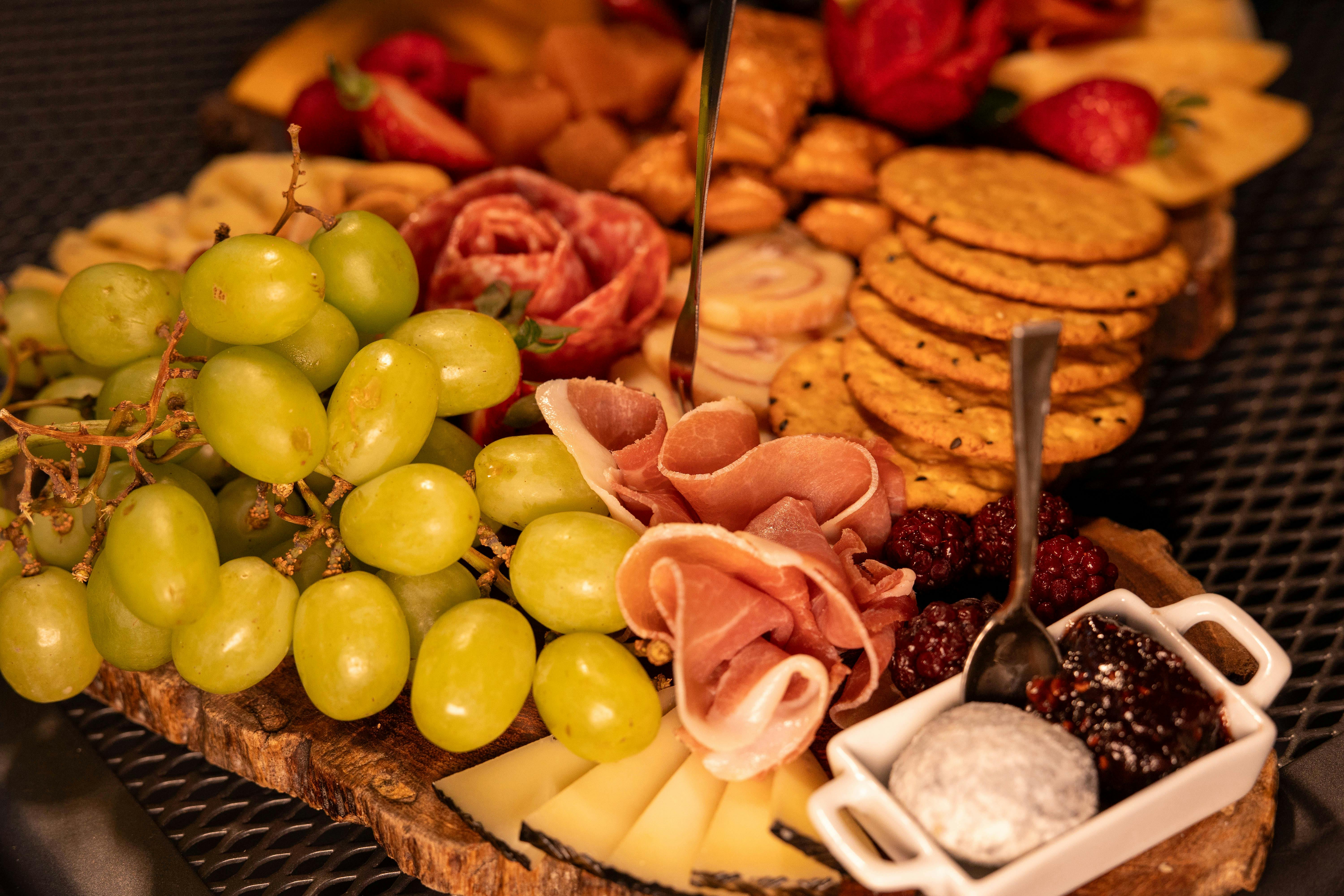
One structural issue nobody mentions. A cheeseboard typically has four to six cheeses of wildly different styles — a fresh goat's, a soft rind, a hard aged, a blue.
No single wine pairs well with all of those. They have different fat levels, different salt levels, different intensities. Asking one bottle to handle the range is asking for a compromise, and the compromise is usually mediocre.
If you care about it, either serve fewer cheeses with a wine chosen for them, or serve two contrasting wines — typically a crisp white and a sweet wine — which between them cover the board.
The honest summary
One more practical note about serving, since it costs nothing and changes the result more than the wine choice does. Cheese served straight from the fridge is muted — the fats are solid, the aromatic compounds are locked up, and the texture is wrong. Take it out at least an hour before, two for anything hard, and the difference is considerable.
The same applies in reverse to the wine. Cold suppresses aroma, and a white served at fridge temperature alongside cold cheese gives you two things that are both closed. Let both come up a bit and suddenly there is a conversation happening rather than two mute objects on a plate.
Cheese and wine is a nice ritual and there's nothing wrong with enjoying it as a ritual. But if you're opening something you actually want to taste, cheese is the wrong companion — it will make the wine seem better while preventing you from noticing anything about it.
Save the good bottle for before the cheese arrives, and bring out something sturdy and inexpensive for the board. Or open a bottle of Champagne, which handles all of it, and wonder why anybody bothers with the red.