
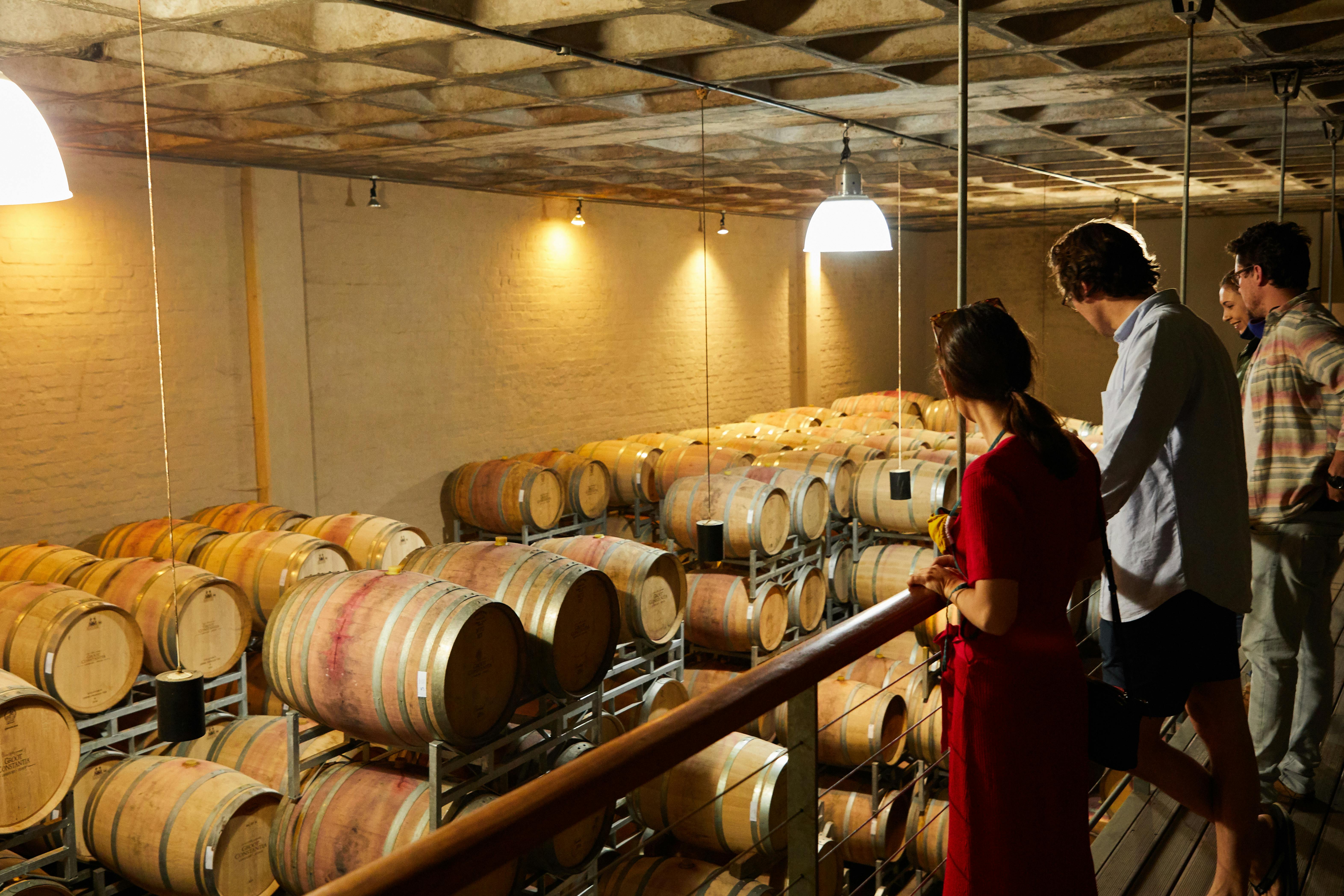
A tasting room looks like hospitality and functions as a distribution channel. The margin difference between selling at the door and selling through a distributor is the reason it exists.
The distribution chain takes most of the price
A bottle moving through an importer, a distributor and a retailer passes through several margins, each applied to the price it arrived at. The increases compound rather than add.
By the time it reaches a shelf, the producer's share of the final price is a modest fraction of what the customer paid. Shipping, duty and currency movements erode it further on export markets.
Selling the same bottle at the winery removes every intermediate step, so the producer captures the entire retail figure. One direct sale can be worth several sold through the trade.
Small producers depend on it disproportionately
Distributors need volume to justify carrying a wine, and a producer making a few thousand bottles rarely supplies enough to interest one.
That leaves direct sales as the only viable route for a large share of small estates, particularly those in regions without established export channels.
The tasting room is therefore not a supplement to their business but the core of it, and the visitor programme is built accordingly.
Tasting fees are a filter, not a revenue line
Charging for a tasting deters casual traffic and raises the proportion of visitors who intend to buy something.
Waiving the fee against a purchase is the standard structure, since it converts the charge into a discount for the customers the winery wants.
The cost of pouring is real, since every tasting draws from bottles that will not be sold, and open bottles have a short working life.
The mailing list is what the visit is for
A visitor who buys once is worth less than one who joins a club and receives shipments for years afterwards.
Allocation systems, where members receive the right to buy scarce bottles, formalise this and give the producer predictable demand.
For sought-after wineries the list becomes the primary sales channel and the tasting room becomes the recruitment step feeding it.
Why some estates refuse visitors entirely
Hospitality consumes staff time during exactly the weeks when the cellar is busiest, and harvest cannot be rescheduled around a tour bus.
Producers whose entire output is already committed to allocation lists gain nothing from foot traffic and often close their doors.
Scarcity also has its own value, and a winery that cannot be visited casually acquires a reputation the tasting room would dilute.