
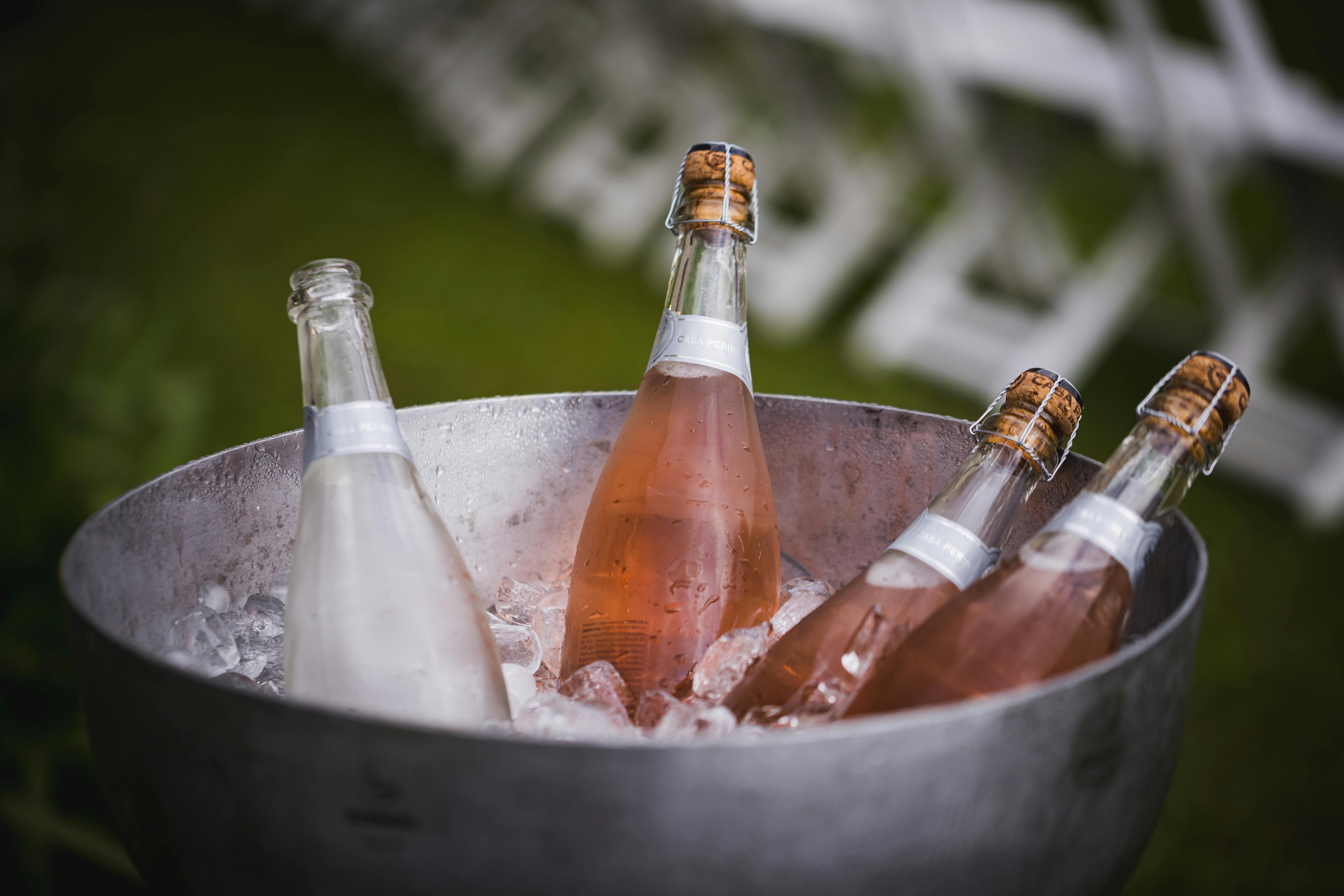
Restaurant wine pricing is one of the few areas where a small amount of knowledge produces an immediate and repeatable financial return. The markups are large, they're inconsistent across the list, and the inconsistency follows a pattern.
How restaurant pricing works
The traditional model is a multiple of wholesale cost — commonly somewhere between two and four times, though it varies enormously by venue and market.
The important consequence is that a multiple applies proportionally, so an expensive wine carries a much larger absolute markup than a cheap one. A three-times multiple on a five pound wine adds ten pounds. On a fifty pound wine it adds a hundred.
Many good restaurants have moved partly towards a cash-margin model — adding a fixed amount rather than a multiple — precisely because the multiple model makes fine wine absurdly expensive and discourages people from trading up.
Where a venue uses cash margin, expensive bottles become dramatically better value relative to cheap ones. Where it uses a straight multiple, the opposite.
The cheapest bottle trap
The most common ordering behaviour is to pick the second-cheapest wine on the list, on the theory that the cheapest looks stingy and the second-cheapest is a reasonable compromise.
This is so widespread that restaurants know about it, and the second-cheapest slot is frequently the highest-margin wine on the list. Whether that's deliberate varies, but the incentive is obvious.
The genuinely cheapest bottle is often better value, and moving two or three places up the list usually buys a disproportionate improvement in quality for a modest increase in price.
Where the value sits
Some reliable patterns.
Unfashionable regions. The wines from places nobody's heard of have low wholesale costs and get the same multiple applied. A good Portuguese or Greek or southern French red at 35 pounds is likely a considerably better bottle than a Chianti or Rioja at the same price, because the latter carry a name premium at wholesale too.
Middle of the list. The bottom is high margin and the top is often priced for expense accounts. The middle third frequently contains the sommelier's actual favourites.
Wines the restaurant has held for a while. Older vintages on a list are often priced at what they cost when purchased, which can be considerably below current market value. A five-year-old bottle at a price that hasn't been revised is one of the better bargains available.
Half bottles, sometimes. Frequently poor value, occasionally excellent. Worth a look but not a reliable rule.
Talk to the sommelier, properly
The single most effective thing you can do, and the thing people avoid because of a fear of being judged.
The useful approach is to point at a bottle on the list at the price you want to spend and say "something around here, and I like wines that are [light / crisp / not too oaky / a bit unusual]."
This does two things. It communicates your budget without you having to say a number out loud, which is the socially awkward part. And it gives them a style direction, which is what they actually need.
Good sommeliers genuinely enjoy this. Their job is largely selling wine people enjoy, and a customer who gives them a brief is much easier to satisfy than one who orders defensively from a list they don't understand.
They will also frequently steer you towards something better than you'd have chosen, sometimes at a lower price, because they'd rather you came back.
By the glass, and its problems
Glass pours carry the highest markups on any list, typically. A restaurant frequently recovers the entire wholesale cost of a bottle within the first two glasses, which is a rational hedge against the rest oxidising.
Two consequences. First, a bottle is much better value than four glasses of the same wine, and often better than three. Second, ask when a by-the-glass bottle was opened. Venues with preservation systems can hold wine for days; those without are pouring from a bottle that may have been open since yesterday.
A glass of tired white wine is one of the more common disappointments in restaurant drinking and it's entirely avoidable by asking.
Corkage
Many restaurants allow you to bring your own bottle for a fee. Where the fee is reasonable, this can be excellent value for something special.
The etiquette matters. Call ahead and ask, don't bring something already on their list, and offer the sommelier a taste. Doing it well makes you a welcome customer; doing it badly makes you the person who brought a supermarket bottle to a restaurant with a serious cellar.
The bit nobody mentions
If a wine is faulty — corked, oxidised, obviously wrong — say so. This is not rude and a decent restaurant will replace it without argument, because they can generally claim it back from their supplier.
What's not acceptable is rejecting a bottle because you don't happen to like the style, having ordered it yourself. That's a different situation, and the way to avoid it is the conversation at the start.
Which brings it back to the same point. Almost every problem with restaurant wine is solved by a thirty-second conversation with the person whose job it is to have that conversation, and the only thing preventing it is embarrassment that nobody on the other side of the table shares.