
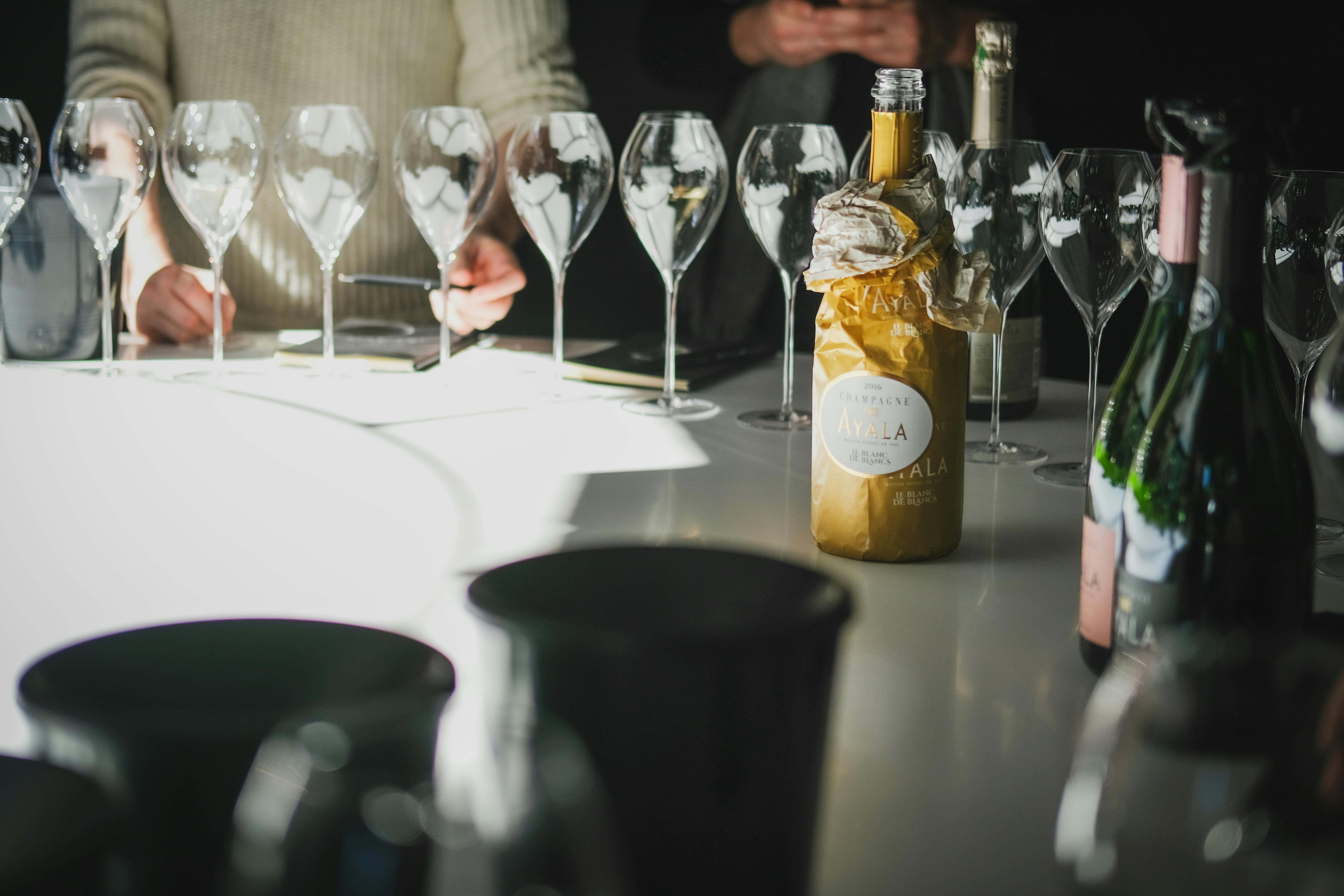
The same bottle served at two temperatures produces genuinely different tasting notes. This is not a matter of impression but of which compounds are volatile enough to leave the liquid.
Aroma depends on evaporation
Smell requires molecules to move from the wine into the air above the glass. Warmth supplies the energy for that transition, so a warmer wine releases more of everything.
A cold wine consequently smells muted, and the aromatics that do escape are the lightest and most volatile ones. Heavier compounds stay dissolved and unnoticed.
This is why a wine straight from a fridge seems simple and gains complexity as the glass sits. Nothing changed except how much left the liquid.
Alcohol becomes more obvious as it warms
Ethanol is highly volatile and its perception rises steeply with temperature. Above a certain point it dominates the nose and reads as heat rather than aroma.
Wines with higher alcohol are therefore served a little cooler than their weight would suggest, because the cooling suppresses the ethanol more than it suppresses the fruit.
The common fault in a warm room is a red served at ambient temperature, where alcohol has overtaken everything else on the nose.
Tannin and acidity harden with cold
Cold accentuates the drying sensation of tannin and sharpens the impression of acidity. Both structural elements feel more prominent when the wine is chilled.
That is useful in a light red with modest tannin, where a slight chill lifts the wine and gives it definition.
It is unhelpful in a densely tannic wine, which turns austere and angular when served too cold. Warmth softens the perception without changing the chemistry.
Sweetness and body follow the opposite curve
Perceived sweetness rises with temperature, which is why a sweet wine served cool tastes balanced and the same wine at room temperature tastes cloying.
Body and viscosity also read as greater when warm, since the wine feels thicker across the tongue.
Sweet wines are therefore served cold not to hide the sugar but to keep it in proportion with the acidity that carries it.
The glass is warming from the first pour
A poured glass gains temperature continuously from the room and the hand holding it. Over half an hour a small pour can rise several degrees.
Serving slightly cooler than the intended drinking temperature accounts for this, which is why professional guidance always sits below where the wine shows best.
Holding a glass by the stem is not affectation for this reason alone. A palm around the bowl transfers heat faster than the room does.