
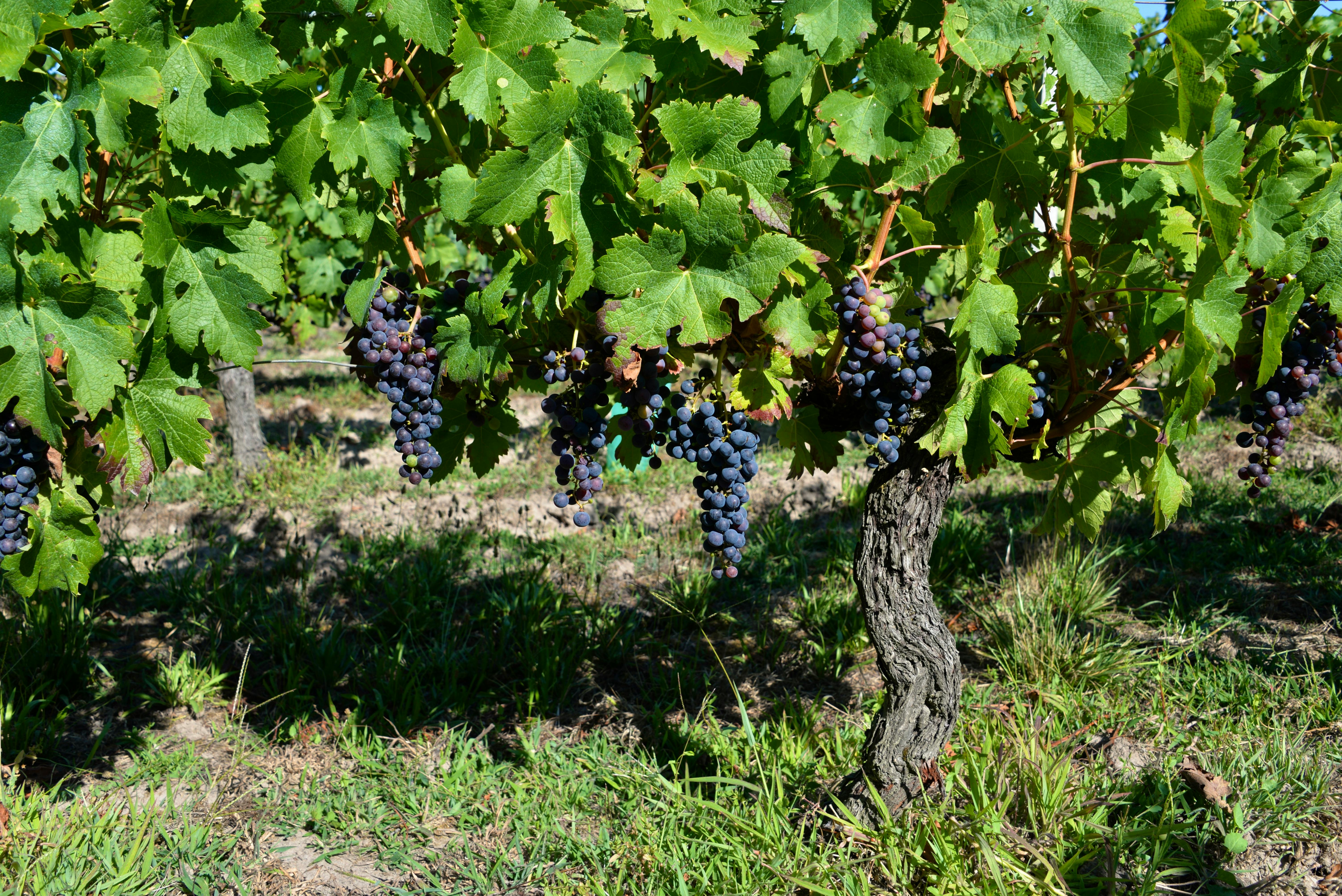
Dive into the groundbreaking world of AI-driven winemaking and precision viticulture. Discover how cutting-edge sensor technology, predictive analytics, and smart vineyard management systems are transforming grape cultivation and cellar operations, leading to unparalleled quality, efficiency, and sustainable practices for vintners in 2026. Explore the top tools and services designed to optimize every stage of your wine production and boost your bottom line.
Introduction to the Topic
For millennia, winemaking has been revered as an art form, a delicate dance between nature's whims and the winemaker's intuition. But as we step firmly into 2026, a silent revolution is sweeping through vineyards and cellars worldwide: the era of Artificial Intelligence (AI) and data-driven precision winemaking. This isn't about replacing the human touch; it's about empowering it, providing vintners with unprecedented insights and control, transforming guesswork into informed decisions, and ultimately, elevating the craft to new heights. The question is no longer if you should embrace this technology, but how – and which solutions offer the most profound impact on your vineyard's health, your wine's quality, and, crucially, your bottom line.
Backgrounds & Facts
The traditional winemaker often relied on generations of accumulated wisdom, observation, and a healthy dose of intuition. While invaluable, this approach is increasingly challenged by the escalating complexities of modern viticulture. Climate change brings unpredictable weather patterns, demanding more resilient and adaptive vineyard management. Labor shortages drive up costs and necessitate greater efficiency. Pests and diseases remain a constant threat, requiring proactive, targeted interventions. Water scarcity continues to be a critical concern in many prime wine regions.
Enter AI and the Internet of Things (IoT). These technologies are no longer futuristic concepts; they are the bedrock of modern, sustainable winemaking. From sophisticated sensors embedded in the soil measuring moisture and nutrient levels in real-time, to drones equipped with multispectral cameras mapping vine vigor and stress across vast terrains, data is being collected at an unprecedented scale. Machine learning algorithms then process this 'big data' to provide actionable insights: predicting optimal irrigation schedules, identifying early signs of disease before visible symptoms appear, forecasting yield with astonishing accuracy, and even recommending the perfect harvest window for specific varietals to achieve desired Brix levels and phenolic maturity.
In the cellar, smart fermentation tanks monitor temperature, density, and volatile compounds, providing real-time alerts and allowing winemakers to intervene precisely, ensuring consistent quality and preventing costly spoilage. AI-powered optical sorters meticulously select grapes based on color, size, and ripeness, ensuring only the finest fruit makes it into the fermenter. This isn't just about efficiency; it's about unlocking the full potential of every vine and every grape, crafting wines that truly reflect their terroir and the winemaker's vision, all while minimizing environmental impact and maximizing resource utilization.
Expert Opinion / Analysis
“For years, winemakers made decisions based on averages – average rainfall, average temperature, average soil composition across a block. AI allows us to move to hyper-precision. We can treat individual vines, or even parts of vines, according to their specific needs. This granular understanding leads to healthier vineyards, reduced resource consumption, and ultimately, more expressive wines,” emphasizes Dr. Anya Sharma, a leading viticulture data scientist at the 'Global Wine Tech Institute.' She adds, “The initial investment can be significant, but the ROI in terms of reduced input costs, improved grape quality, and enhanced market value is proving undeniable for early adopters. Early adopters are reporting up to a 30% reduction in water usage and a 15% increase in premium grape yields.”
Master Winemaker Jean-Luc Dubois, known for his innovative approach at Château du Futur, concurs. “I was skeptical at first, fearing technology would strip away the art. But AI has become my most trusted assistant. It doesn't tell me what wine to make; it tells me how to best nurture the grapes to achieve my vision. It's like having a team of dedicated scientists working tirelessly in my vineyard 24/7, flagging issues I might miss, optimizing tasks, and freeing me to focus on the creative aspects of blending and aging.” He cautions, however, that “the human element remains paramount. AI provides data, but the winemaker's palate, experience, and artistic interpretation are still the soul of the wine. It's a partnership, not a replacement. The best AI tools are those that enhance, not overshadow, human expertise.”
💰 Best Options in Comparison (VERY IMPORTANT)
Navigating the burgeoning market of AI-driven winemaking solutions can be daunting. To help you make informed decisions, we've identified three leading categories of tools and services that offer significant value for vintners today. Whether you're looking for comprehensive vineyard management, precise cellar control, or expert data interpretation, there's an AI solution tailored to your needs.
- VinSense Pro - The Intelligent Vineyard Navigator: A comprehensive AI-powered platform for vineyard management. VinSense Pro integrates data from drone imagery, ground sensors (soil moisture, nutrient, canopy temperature), and local weather stations to provide predictive analytics for disease risk, irrigation needs, optimal nutrient application, and yield forecasting. Its intuitive dashboard allows vintners to monitor vine health, schedule tasks, and track resource consumption with unparalleled precision. It's best for medium to large vineyards seeking to optimize resource use, reduce labor costs, and significantly improve grape quality through data-driven decisions. Ideal for those ready to embrace a holistic, tech-forward approach to viticulture.
- CellarGuard AI - Precision in Every Drop: CellarGuard AI revolutionizes the winery cellar with smart fermentation monitoring and quality control. This system utilizes non-invasive sensors within fermentation tanks to track temperature, density, volatile organic compounds, and even yeast activity in real-time. Its AI algorithms can predict fermentation kinetics, flag potential stuck fermentations or off-flavor development, and recommend precise interventions. It also offers batch tracking and quality assurance documentation. It's best for wineries of all sizes focused on achieving consistent wine quality, preventing spoilage, and optimizing fermentation processes. Especially valuable for those producing high-volume premium wines where consistency is key, or smaller producers looking to safeguard precious batches.
- Terroir Insights - Bespoke Predictive Analytics & Consulting: For vintners who prefer expert guidance and data interpretation without significant hardware investment, Terroir Insights offers a bespoke consulting service. Leveraging advanced AI models, they analyze existing vineyard data (historical weather, soil maps, yield records), satellite imagery, and regional climate projections to provide tailored recommendations on varietal selection, vineyard layout optimization, long-term climate adaptation strategies, and specific interventions for challenging vintages. This service is best for new vineyard developments, established wineries facing specific climate challenges, or producers seeking strategic long-term planning and expert interpretation of complex data without managing the tech infrastructure themselves. Excellent for smaller operations or those testing the waters of AI.
To help you compare these options at a glance, here's a detailed table:
| Product/Service | Key Features | Best For | Price Range (Annual est.) | Sustainability Impact |
|---|---|---|---|---|
| VinSense Pro | Drone/Ground Sensor Integration, Disease/Pest Prediction, Irrigation Optimization, Yield Forecasting, Task Management. | Medium-Large Vineyards seeking comprehensive, data-driven viticulture optimization. | $5,000 - $25,000+ (Tiered SaaS per acre) | High: Significant reduction in water, pesticide, fertilizer use. |
| CellarGuard AI | Real-time Fermentation Monitoring (temp, density, VOCs), Spoilage Prediction, Quality Assurance, Batch Tracking. | Wineries of all sizes prioritizing consistent quality and fermentation control. | $3,000 (Starter Kit) - $20,000+ (Enterprise System) | Medium: Reduces spoilage, optimizes energy for cooling/heating. |
| Terroir Insights | Bespoke Data Analysis, Climate Adaptation Strategies, Varietal Suitability, Long-term Vineyard Planning, Expert Consultation. | New Developments, smaller operations, or wineries needing strategic guidance without heavy tech investment. | $2,500 - $15,000+ (Project-based/Annual Retainer) | High: Optimal resource allocation, climate resilience planning. |
Outlook & Trends
As AI continues to evolve, its integration into winemaking will only deepen. We can anticipate even more sophisticated robotic assistants for pruning and harvesting, guided by AI to handle delicate grapes with unprecedented care. Blockchain technology, powered by AI, could soon offer immutable provenance tracking from vine to bottle, enhancing consumer trust and combating fraud. Predictive analytics will become hyper-localized, factoring in micro-terroirs and even individual vine genetics to tailor care. Furthermore, AI-driven consumer preference analysis could help winemakers fine-tune styles for emerging markets, balancing tradition with demand. The ethical considerations around data ownership and algorithmic bias will also become increasingly important, ensuring that this powerful technology is used responsibly and transparently. The future of winemaking isn't just about making great wine; it's about making smarter wine, more sustainably, and with an even deeper understanding of its origins.
Conclusion
The fusion of AI and winemaking represents a thrilling chapter in the industry's long history. It’s a powerful testament to how innovation can enhance, rather than diminish, the artistry of winemaking. By embracing precision viticulture and smart cellar technologies, vintners are not just preparing for the future; they are actively shaping it – crafting wines of exceptional quality, ensuring environmental stewardship, and securing the economic viability of their operations. The tools are here, the data is flowing, and the insights are waiting. For those ready to elevate their craft and future-proof their legacy, the time to invest in AI-driven winemaking solutions is now. Explore the options, connect with providers, and uncork a new era of possibilities for your vineyard.