
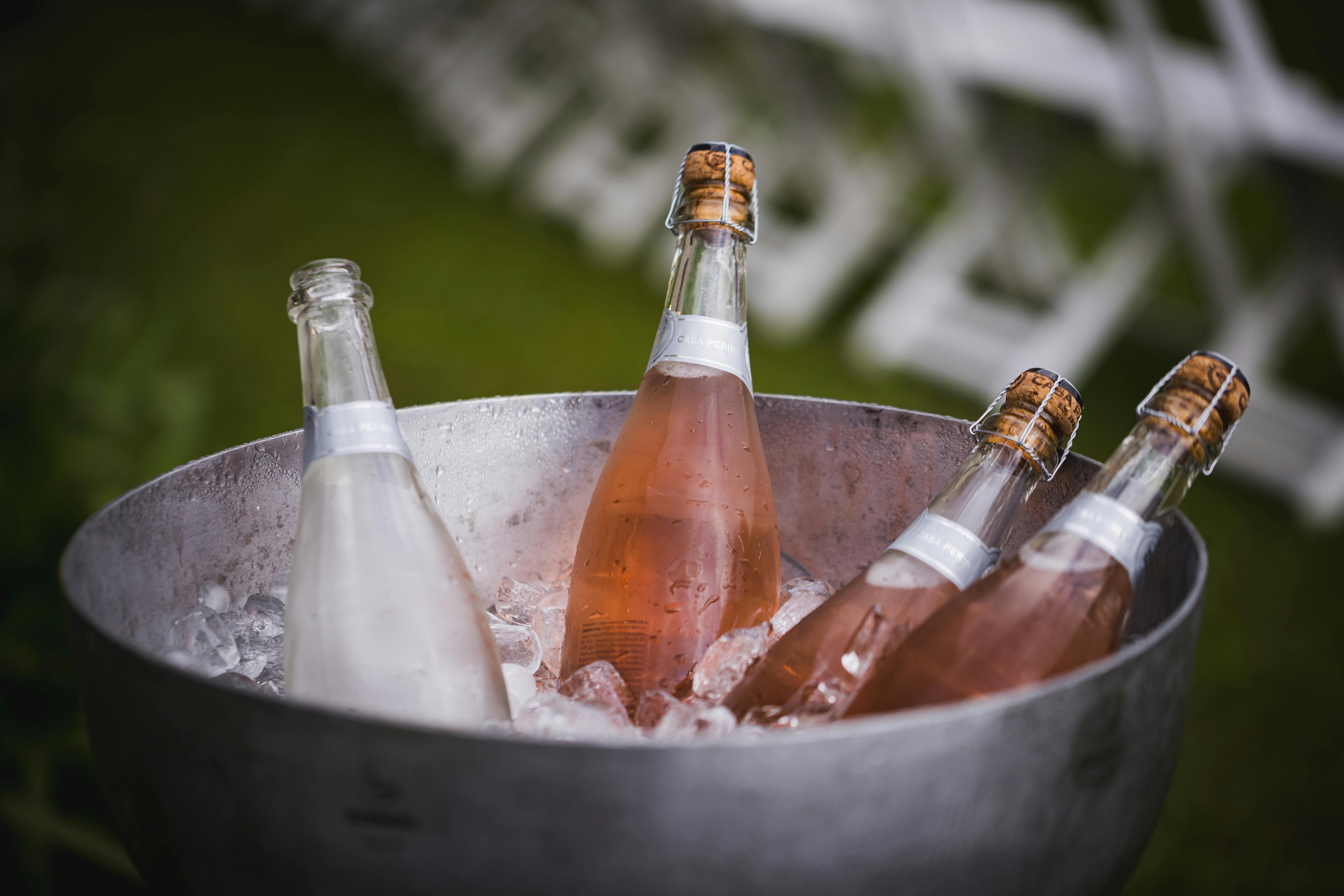
Imagine the effervescent thrill of tiny bubbles dancing on your tongue, a symphony of joy uncorked. But then, a moment of delightful dilemma: is it the crisp elegance of Champagne you crave, or the vibrant, fruity embrace of Prosecco? For the true wine enthusiast, this isn't just a choice between two sparkling wines; it's a journey into different worlds of craftsmanship, tradition, and pure sensory delight. At WINE MYSTIQUES, we understand that every pop and pour tells a story, and today, we're unraveling the epic tale of these two titans of sparkle, guiding you to uncork the perfect bottle for every occasion, every mood, and every cherished memory waiting to be made. Prepare to elevate your sparkling wine experience, because the right choice isn't just about taste – it's about the magic you create.
🍷 What's Happening Right Now
The world of sparkling wine is experiencing an unprecedented boom, transforming from an indulgence reserved for grand celebrations into an everyday luxury. In the United States, this shift is particularly palpable, as consumers embrace the joy of bubbles with increasing frequency. Gone are the days when "sparkling wine" was almost synonymous with "Champagne." Today, the shelves glisten with a dazzling array of options, and at the forefront of this sparkling revolution stand two formidable contenders: the storied Champagne of France and the vivacious Prosecco of Italy. This burgeoning diversity, while exciting, often leaves even seasoned wine enthusiasts pondering: which sparkling wine truly aligns with my palate, my occasion, and my wallet?
Currently, we're witnessing a fascinating dynamic in the US market. Prosecco has surged in popularity, captivating a broad audience with its approachable price point and fruit-forward character. It has democratized sparkling wine, making it a staple for brunch mimosas, casual gatherings, and even as a refreshing aperitif after a long day. Its rise is a testament to its versatility and immediate appeal. Simultaneously, Champagne maintains its revered status, a symbol of prestige, tradition, and unparalleled craftsmanship. While perhaps not an everyday pour for most, its demand for milestone celebrations, romantic dinners, and as a sophisticated gift remains unwavering. This dual presence creates a vibrant landscape where both wines thrive, each carving out its unique niche in the hearts and glasses of American wine lovers.
The allure of sparkling wine isn't just about the bubbles; it's about the experience it evokes. The ritual of uncorking, the gentle hiss, the cascade of tiny spheres, and the immediate sense of festivity – these elements transcend mere taste. Yet, understanding the nuances between Prosecco and Champagne is crucial for making an informed choice that truly enhances that experience. Their differences stem from fundamental aspects like their geographical origin, the grape varieties used, and most critically, their distinct production methods. These factors contribute to their unique flavor profiles, textures, and ultimately, their ideal applications. At WINE MYSTIQUES, we believe that knowledge empowers enjoyment, and by delving into the heart of these differences, we aim to equip you with the insights needed to navigate this sparkling world with confidence and delight.
Beyond the simple choice, there's a deeper appreciation to be gained. The story of Champagne is one of centuries-old tradition, meticulous vineyard management in a challenging northern climate, and a painstaking secondary fermentation in the bottle that gifts it its signature complexity and fine mousse. Prosecco, on the other hand, tells a tale of sun-drenched Italian hills, the Glera grape, and an innovative tank fermentation method that preserves its youthful fruitiness and vibrant freshness. Both are masterpieces in their own right, reflecting the terroir and ingenuity of their respective regions. As we delve deeper, prepare to uncover the secrets behind their sparkle, allowing you to choose not just a wine, but a narrative that resonates with your personal mystique.
💰 Best Options in Comparison
-
Prosecco: Italy's Effervescent Charm
Hailing primarily from the Veneto and Friuli Venezia Giulia regions of northeastern Italy, Prosecco is crafted predominantly from the Glera grape. Its rise to global prominence is a modern success story, largely due to its accessibility and delightful, easy-drinking character. The defining characteristic of Prosecco's production is the Charmat-Martinotti method, or tank method. Unlike Champagne, the secondary fermentation that creates the bubbles occurs in large stainless steel tanks rather than individual bottles. This method is more efficient and economical, but crucially, it also preserves the fresh, aromatic, and fruity qualities of the Glera grape.
Flavor Profile & Styles: Prosecco is renowned for its vibrant notes of green apple, pear, honeydew melon, and citrus, often accompanied by delicate floral aromas. It typically has a lighter body and a softer, frothy mousse compared to Champagne's finer, more persistent bubbles. While often perceived as sweet, Prosecco comes in various sweetness levels: Brut (the driest, but still fruit-forward), Extra Dry (slightly sweeter than Brut, often preferred by many), and Dry (the sweetest style, though the name can be misleading). For those seeking a step up in quality and complexity, look for Prosecco Superiore DOCG from specific sub-regions like Conegliano Valdobbiadene or Asolo, which offer greater minerality and depth.
Best Uses: Prosecco is the quintessential aperitif, perfect for kickstarting any gathering. Its refreshing character makes it an ideal base for classic cocktails like the Bellini (with peach puree) or the Mimosa (with orange juice). It pairs beautifully with light appetizers, charcuterie, seafood salads, fried calamari, and even spicy Asian cuisine. Its versatility and approachable price point make it a fantastic choice for casual celebrations, brunches, and whenever you desire a touch of sparkle without the formality.
-
Champagne: France's Timeless Elegance
The undisputed king of sparkling wines, Champagne comes exclusively from the Champagne region of France. Its production is steeped in centuries of tradition and governed by strict appellation laws. Champagne is typically a blend of three grape varieties: Chardonnay, Pinot Noir, and Pinot Meunier. The hallmark of Champagne production is the Méthode Champenoise (Traditional Method), where the secondary fermentation takes place directly in the bottle. This labor-intensive process, involving riddling (turning bottles to collect yeast sediment) and disgorgement, is what imparts Champagne with its signature complexity, depth, and fine, persistent bubbles.
Flavor Profile & Styles: Champagne boasts a more complex and nuanced flavor profile than Prosecco. Expect notes of brioche, toast, almond, and yeast (autolytic characteristics), layered with green apple, lemon zest, and sometimes subtle berry notes from the Pinot Noir. It typically has higher acidity, a richer body, and a very fine, creamy mousse. Styles range from the bone-dry Extra Brut and Brut (the most common) to sweeter Demi-Sec and Doux. You'll also find Blanc de Blancs (100% Chardonnay), Blanc de Noirs (100% Pinot Noir and/or Pinot Meunier), and Rosé Champagne, each offering a distinct expression. Non-Vintage (NV) Champagnes represent the house style, while Vintage Champagnes are made from grapes of a single, exceptional harvest.
Best Uses: Champagne is synonymous with celebration, luxury, and special occasions. It's the ultimate choice for weddings, anniversaries, promotions, and any moment that calls for genuine grandeur. Its high acidity and complex profile make it an exceptional food wine, pairing exquisitely with oysters, caviar, smoked salmon, rich seafood dishes (like lobster), roasted chicken, and even truffle-infused dishes. For the discerning palate, a glass of fine Champagne is an experience in itself, a testament to time, tradition, and mastery.
Now, let's distill these insights into a clear comparison to help you make your ultimate choice:
| Feature | Prosecco | Champagne |
|---|---|---|
| Origin | Veneto & Friuli Venezia Giulia, Italy | Champagne region, France |
| Main Grapes | Glera | Chardonnay, Pinot Noir, Pinot Meunier |
| Production Method | Charmat-Martinotti (Tank Method) | Méthode Champenoise (Traditional Method) |
| Flavor Profile | Fresh, fruity (apple, pear, melon), floral, often sweeter | Complex, toasty, brioche, nutty, green apple, citrus |
| Bubbles (Mousse) | Larger, softer, frothy; less persistent | Finer, smaller, more persistent; creamy mousse |
| Acidity | Medium-low to medium | Medium-high to high |
| Body | Lighter body | Medium to full body |
| Aromatics | Primary fruit and floral | Secondary (yeast, toast) and primary fruit |
| Price Point (Typical) | Accessible (e.g., $10-$25) | Premium (e.g., $40-$100+, much higher for prestige cuvées) |
| Ideal Occasions | Aperitif, casual gatherings, brunches, cocktails | Grand celebrations, milestones, fine dining, romantic evenings |
| Food Pairings | Light appetizers, charcuterie, seafood salads, spicy Asian, fried foods | Oysters, caviar, smoked salmon, rich seafood, poultry, aged cheeses |
Beyond the Bottle: Making Your Choice Personal
While the table provides a clear delineation, the true magic lies in how these characteristics translate into your personal enjoyment. For instance, if you're hosting a vibrant brunch and plan on mixing mimosas or simply want a refreshing, palate-cleansing start to a meal, a crisp Brut Prosecco is an excellent, commercially savvy choice. Its lively fruit notes will sing alongside fresh fruit and pastries without overwhelming the palate or your budget. Consider brands like La Marca, Mionetto, or for a step up, a Conegliano Valdobbiadene Prosecco Superiore DOCG from producers like Nino Franco or Adami.
However, if you're commemorating a significant anniversary, proposing a toast to a monumental achievement, or indulging in a luxurious seafood dinner, Champagne’s intricate layers and sophisticated effervescence are unmatched. The yeasty complexity and fine bubbles of a Non-Vintage Brut from houses like Veuve Clicquot, Moët & Chandon, or a grower Champagne from a smaller producer will elevate the moment to an unforgettable experience. For a truly special treat, a Blanc de Blancs Champagne offers unparalleled elegance and purity, while a Rosé Champagne adds a touch of romance and red fruit nuances.
It's also worth noting the increasing quality of Rosé sparkling wines in both categories. A Prosecco Rosé, made with a small percentage of Pinot Noir, offers delightful red berry notes while retaining Prosecco's characteristic freshness. Champagne Rosé, whether blended or saignée method, presents a more serious, structured, and often age-worthy option with notes of wild strawberry, cherry, and subtle spice.
Ultimately, the "best" choice isn't about one being inherently superior to the other; it's about aligning the wine with the moment, the meal, and your personal preference. Both offer unique pathways to joy and celebration. Experimentation is key to discovering your own sparkling mystique. Don't be afraid to try different styles, producers, and price points within each category. The US market is rich with options, from widely available labels to boutique selections, ensuring there's a perfect bottle of Prosecco or Champagne waiting to be discovered by you.
Conclusion
The enchanting world of sparkling wine offers a spectrum of experiences, with Prosecco and Champagne standing as two magnificent, yet distinctly different, beacons of effervescence. We've journeyed through their origins, deciphered their production methods, and explored their unique flavor profiles, revealing that neither is inherently "better" than the other. Instead, they represent different philosophies of winemaking, designed to bring joy to diverse occasions and palates.
Prosecco, with its vibrant fruitiness, lighter body, and accessible price point, is the spirited companion for everyday celebrations, casual gatherings, and creative cocktails. It's the wine that says, "Let's make this moment special, right here, right now," without requiring a grand pronouncement. Its charm lies in its immediate appeal and refreshing versatility, making it a beloved staple for brunches and spontaneous toasts.
Champagne, on the other hand, embodies tradition, complexity, and an undeniable sense of occasion. Its intricate flavors, fine bubbles, and meticulous craftsmanship elevate it to an icon of luxury and prestige. It's the wine you reach for when the moment demands an exclamation point, a symbol of enduring elegance for life's most significant milestones and cherished memories. Choosing Champagne is an investment in a legacy, a testament to the art of fine winemaking.
As elite wine enthusiasts, your power lies in informed choice. Consider the context: your budget, the food you're pairing, the formality of the event, and most importantly, your personal taste preferences. Do you crave bright, fresh fruit and a soft mousse, or do you desire complex autolytic notes and a crisp, persistent effervescence? There is no wrong answer, only the perfect sparkling wine for *you* and *your* moment.
At WINE MYSTIQUES, we encourage you to embrace both. Allow Prosecco to brighten your casual moments and Champagne to crown your grandest celebrations. Explore the nuances, savor the differences, and delight in the discovery. The true mystique of wine lies not just in what's in the bottle, but in the unforgettable experiences it helps create. So go forth, uncork with confidence, and let the bubbles tell their story.