
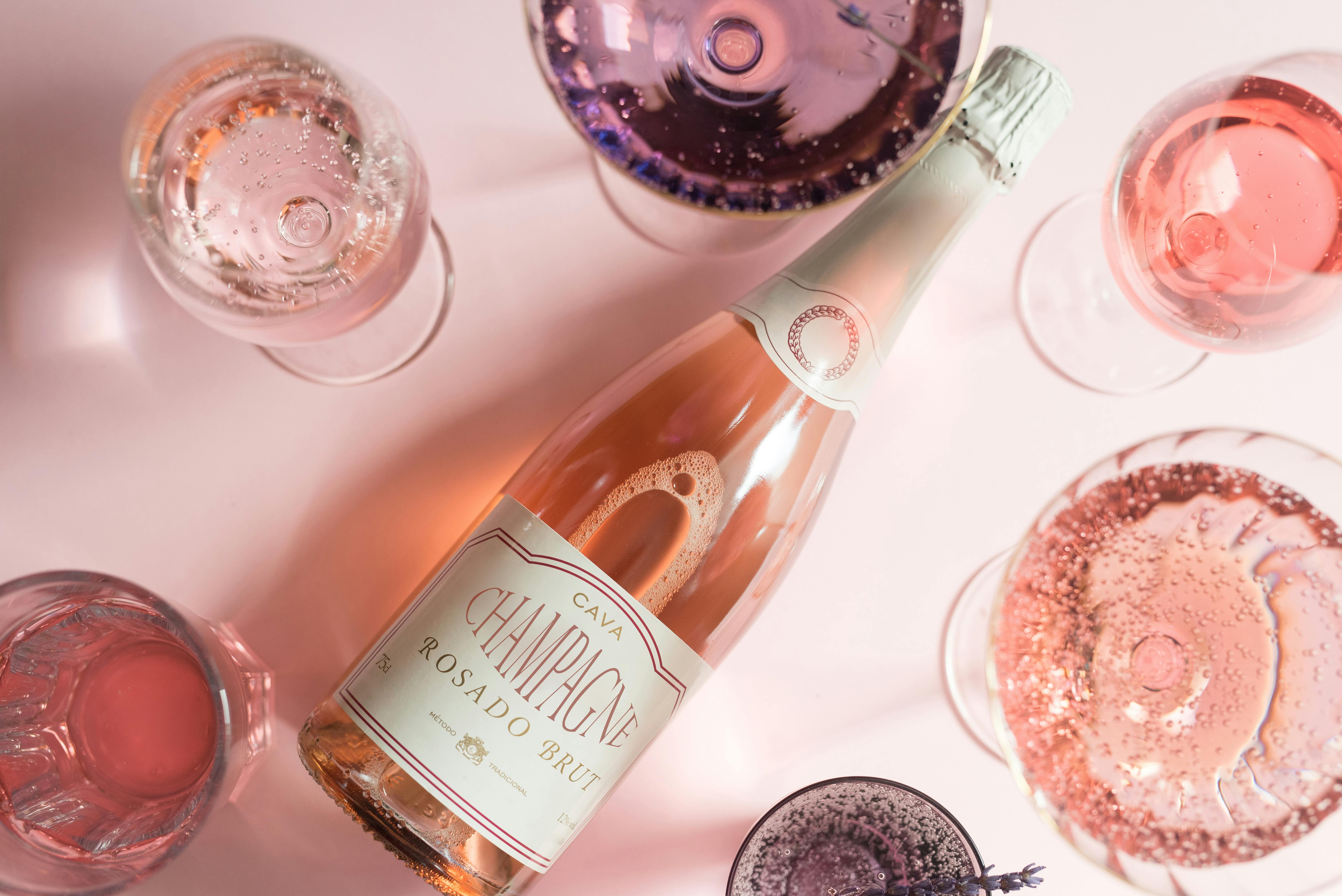
Forget everything you thought you knew about sparkling wine. For too long, one name has reigned supreme, cloaked in an aura of undeniable luxury. But a challenger has risen, vibrant and audacious, ready to stake its claim on your palate and your celebrations. This isn't just about bubbles; it's a clash of titans, a symphony of flavors, a journey into the heart of what makes a moment truly sparkle. Are you ready to discover the secret to your next unforgettable sip? The ultimate taste showdown begins now.
🍷 What's Happening Right Now
The world of wine is in a constant state of evolution, but perhaps nowhere is this more evident than in the dazzling, effervescent realm of sparkling wines. For decades, Champagne has held an almost mythical status, synonymous with grand celebrations, unparalleled sophistication, and an unmistakable sense of occasion. It’s the pop of the cork at a wedding, the clink of glasses on New Year’s Eve, the unspoken promise of something truly special. And rightfully so – the history, terroir, and meticulous production methods of Champagne have earned its legendary reputation. However, in the dynamic landscape of American wine consumption, a fascinating shift is underway, and it’s creating an electrifying buzz that every wine enthusiast needs to tune into.
Right now, consumers are savvier, more adventurous, and increasingly value-conscious than ever before. The desire for quality experiences hasn't diminished, but the pursuit of accessible luxury and authentic discovery has surged. This cultural current has opened the floodgates for sparkling wines from other regions to truly shine, and at the forefront of this sparkling revolution is Cava. Hailing from Spain, Cava is no longer content to be merely a "budget alternative" to Champagne. It has emerged as a formidable contender, celebrated for its own distinct character, incredible versatility, and undeniable value.
The "Cava vs. Champagne" debate is no longer a whisper among sommeliers; it's a vibrant discussion happening in wine shops, at dinner parties, and across social media feeds. This isn't about dethroning a king, but rather about acknowledging the rich diversity and exceptional quality that exists within the world of traditional method sparkling wines. For US wine enthusiasts, this showdown is particularly relevant. We're seeing a growing appreciation for wines that tell a story, reflect their origin, and offer an exceptional drinking experience without necessarily breaking the bank. Brunch culture, spontaneous gatherings, and the everyday indulgence trend have all contributed to a soaring demand for high-quality, approachable sparkling wines, and both Cava and Champagne are vying for a place at our tables.
What fuels this intense debate? It’s more than just price point, though that is a significant factor. It’s about understanding the nuances of terroir, the impact of grape varietals, and the magic of the production method. Both Cava and Champagne are crafted using the labor-intensive “Traditional Method” (or “Méthode Champenoise” within Champagne itself), where the secondary fermentation that creates those beloved bubbles occurs inside the individual bottle. This shared heritage suggests a common thread of quality, yet their distinct identities lead to vastly different sensory experiences.
Champagne, with its chalky soils, cooler climate, and classic blend of Chardonnay, Pinot Noir, and Pinot Meunier, often delivers a profile marked by crisp acidity, brioche notes, green apple, and a profound minerality. It's elegance personified, a wine that commands attention and respect. Cava, primarily from the Penedès region of Catalonia, Spain, thrives in a warmer climate and traditionally uses indigenous Spanish grapes like Macabeo, Parellada, and Xarel-lo, though Chardonnay and Pinot Noir are increasingly common. This results in a sparkling wine that often presents with brighter fruit flavors, a more herbaceous character, and a vibrant, approachable zest. It’s a sunshine-filled glass, perfect for a wider array of culinary pairings and casual enjoyment.
As we delve deeper into this ultimate taste showdown, we'll uncover the secrets behind their sparkle, dissect their unique flavor profiles, and help you navigate the exciting choices available. This isn't just an academic exercise; it's a guide to enhancing your wine journey, empowering you to choose the perfect bottle for any occasion, whether it calls for the undeniable grandeur of Champagne or the spirited charm of Cava. The stage is set, the glasses are polished, and the bubbles are ready to dance. Let the ultimate taste showdown begin.
💰 Best Options in Comparison
When it comes to selecting the perfect sparkling wine, understanding the distinct characteristics and commercial value of both Cava and Champagne is paramount. It's not about declaring a single victor, but rather empowering you to choose the champion that best suits your palate, occasion, and budget. Here, we'll explore some of the best options within each category, highlighting their commercial appeal and what makes them stand out.
-
Champagne: The Pinnacle of Prestige
Champagne’s reputation precedes it, and for good reason. Its stringent appellation rules, specific grape varieties, and the meticulous Traditional Method of production contribute to its unparalleled quality and price point. For those seeking the ultimate expression of luxury and tradition, Champagne offers a spectrum of styles:
- Non-Vintage (NV) Brut Champagne: This is the workhorse of any Champagne house, representing the signature style and consistency of the producer. Blended from multiple vintages, NV Brut offers reliable quality with notes of green apple, citrus, toasted brioche, and a fine, persistent mousse. It’s the quintessential celebratory wine, perfect for gifting or making any moment feel special. Its commercial value lies in its brand recognition and consistent excellence, making it a safe yet impressive choice for any occasion.
- Blanc de Blancs Champagne: Meaning "white from whites," this style is made exclusively from Chardonnay grapes. It often presents with a lighter body, bright acidity, and exquisite notes of lemon, white flowers, and sometimes a creamy, almond-like richness. Blanc de Blancs appeals to those who appreciate elegance and finesse, often at a slightly higher price point than NV Brut, reflecting its specific grape sourcing and often longer aging. It's a connoisseur's choice, offering a refined experience.
- Rosé Champagne: Produced either by blending a small amount of still red wine (Pinot Noir or Pinot Meunier) with white wine or by the saignée (bleeding) method, Rosé Champagne is visually stunning and often offers more red fruit character—think strawberries, raspberries, and cherries—alongside the classic brioche notes. Its vibrant color and often more approachable fruit profile make it incredibly popular, especially for romantic occasions or as a versatile food-pairing wine. Its commercial appeal is boosted by its aesthetic and perceived exclusivity.
- Vintage Champagne: Only produced in exceptional years, Vintage Champagne is made from grapes harvested in a single year and must be aged for a minimum of three years on its lees. These wines are complex, age-worthy, and often express the unique characteristics of that particular vintage. They command the highest prices and are sought after by collectors and those celebrating truly momentous occasions, offering profound depth and evolving flavors.
-
Cava: The Spirited Challenger
Cava has truly come into its own, shedding its "cheap alternative" label to reveal a diverse and high-quality category of sparkling wines. Its value proposition is undeniable, offering traditional method quality at a fraction of Champagne's price. Cava’s commercial success is built on its approachability, versatility, and increasingly refined production:
- Brut Cava: The most common style, Brut Cava is typically a blend of Macabeo, Xarel-lo, and Parellada, offering a fresh, crisp, and fruit-forward profile with notes of green apple, citrus, and sometimes a hint of almond or Mediterranean herbs. It’s an incredibly versatile sparkling wine, perfect for everyday enjoyment, brunch, or as an aperitif. Its commercial value is its excellent price-to-quality ratio, making it an accessible luxury for a wide audience.
- Cava Reserva and Gran Reserva: These classifications indicate longer aging on the lees – 18 months for Reserva and 30 months for Gran Reserva. This extended contact develops greater complexity, richness, and toasty, nutty notes, bringing Cava closer in style to some Champagnes. These offer incredible value for those seeking more sophisticated sparkling wines without the premium Champagne price tag. They appeal to discerning consumers looking for depth and character.
- Rosé Cava: Made primarily from Garnacha, Monastrell, and/or Pinot Noir, Rosé Cava is known for its vibrant red fruit flavors—strawberries, raspberries—and a refreshing acidity. It's a festive and food-friendly option, offering a cheerful alternative to its white counterpart. Its growing popularity is driven by its visual appeal and delicious, approachable flavor profile, making it a favorite for outdoor gatherings and light meals.
- Cava de Paraje Calificado: The newest and highest tier of Cava, introduced in 2017, this designation signifies Cava from a specific, high-quality single vineyard ("Paraje") with extremely strict production rules, including hand harvesting, lower yields, and a minimum of 36 months aging. These are premium Cavas designed to showcase the ultimate expression of terroir, competing directly with high-end Champagnes in terms of complexity and prestige, though still often at a more attractive price point. They represent the peak of Cava's ambition and quality.
To further illustrate the key differences and help you make an informed decision, here’s a comprehensive comparison:
| Feature | Champagne | Cava |
|---|---|---|
| Origin Region | Champagne, France (Northeast) | Penedès, Catalonia, Spain (predominantly) |
| Primary Grapes | Chardonnay, Pinot Noir, Pinot Meunier | Macabeo, Xarel-lo, Parellada (traditional); Chardonnay, Pinot Noir (increasingly) |
| Production Method | Traditional Method (Méthode Champenoise) – secondary fermentation in bottle | Traditional Method – secondary fermentation in bottle |
| Flavor Profile (Common Notes) | Crisp green apple, citrus zest, brioche, toasted nuts, chalky minerality, profound acidity | Bright green apple, ripe pear, citrus, sometimes a distinctive earthy/herbaceous note, almond, fresh bread |
| Typical Price Range (US Market) | $40 - $100+ (NV Brut); $70 - $300+ (Vintage/Prestige Cuvée) | $10 - $25 (Brut); $20 - $50 (Reserva/Gran Reserva); $40 - $100+ (Cava de Paraje Calificado) |
| Aging on Lees (Minimum) | 15 months (NV); 3 years (Vintage) | 9 months (Brut); 18 months (Reserva); 30 months (Gran Reserva); 36 months (Paraje Calificado) |
| Best Occasions | Grand celebrations, milestones, fine dining, impressing guests, romantic evenings, gifting | Everyday enjoyment, brunch, aperitif, tapas, casual gatherings, large parties, versatile food pairing |
| Food Pairings | Oysters, caviar, smoked salmon, fried chicken, creamy cheeses, truffle dishes, delicate pastries | Tapas, paella, seafood, grilled vegetables, fried calamari, charcuterie, patatas bravas, spicy Asian cuisine |
| Key Differentiator | Unmatched prestige, complex autolytic character from long lees aging, distinct terroir, often higher acidity | Exceptional value, vibrant fruitiness, broad food versatility, approachable character, often broader appeal |
Conclusion
The ultimate taste showdown between Cava and Champagne reveals not a single victor, but a glorious spectrum of sparkling wine experiences, each with its own unique charm and undeniable appeal. For the discerning wine enthusiast, this isn't a battle of superiority but an invitation to explore, to savor, and to celebrate the rich diversity that the world of traditional method sparkling wines has to offer. Champagne, with its storied history, unparalleled prestige, and complex, age-worthy character, remains the undisputed monarch of grand celebrations and moments demanding the utmost sophistication. Its crisp acidity, profound minerality, and signature brioche notes evoke a sense of timeless elegance that few wines can match.
Yet, Cava has unequivocally stepped out of Champagne's shadow, establishing itself as a vibrant, versatile, and incredibly valuable sparkling wine in its own right. With its bright fruit profiles, approachable zest, and remarkable food-pairing flexibility, Cava proves that exceptional quality and the magic of traditional method bubbles don't always demand a premium price tag. For everyday indulgences, spontaneous gatherings, and adventurous culinary explorations, Cava offers an exhilarating journey for the palate, delivering immense pleasure and outstanding value.
Ultimately, the "best" choice is deeply personal, guided by the occasion, your culinary intentions, and your individual taste preferences. Are you seeking the ultimate expression of luxury and a wine that commands attention? Champagne awaits. Are you looking for a lively, food-friendly sparkling wine that offers incredible bang for your buck and elevates any moment into a mini-celebration? Cava is your spirited companion. The beauty of this showdown is that there's no losing side; only more opportunities for discovery and enjoyment. We at WINE MYSTIQUES encourage you to embark on your own taste adventure, perhaps comparing a Brut Cava side-by-side with a Non-Vintage Brut Champagne to truly appreciate their distinct personalities. Both wines are masterpieces in their own right, ready to bring sparkle and joy to your glass. The only real winner is you, the enlightened wine lover, armed with the knowledge to choose your perfect bubble for every occasion.