
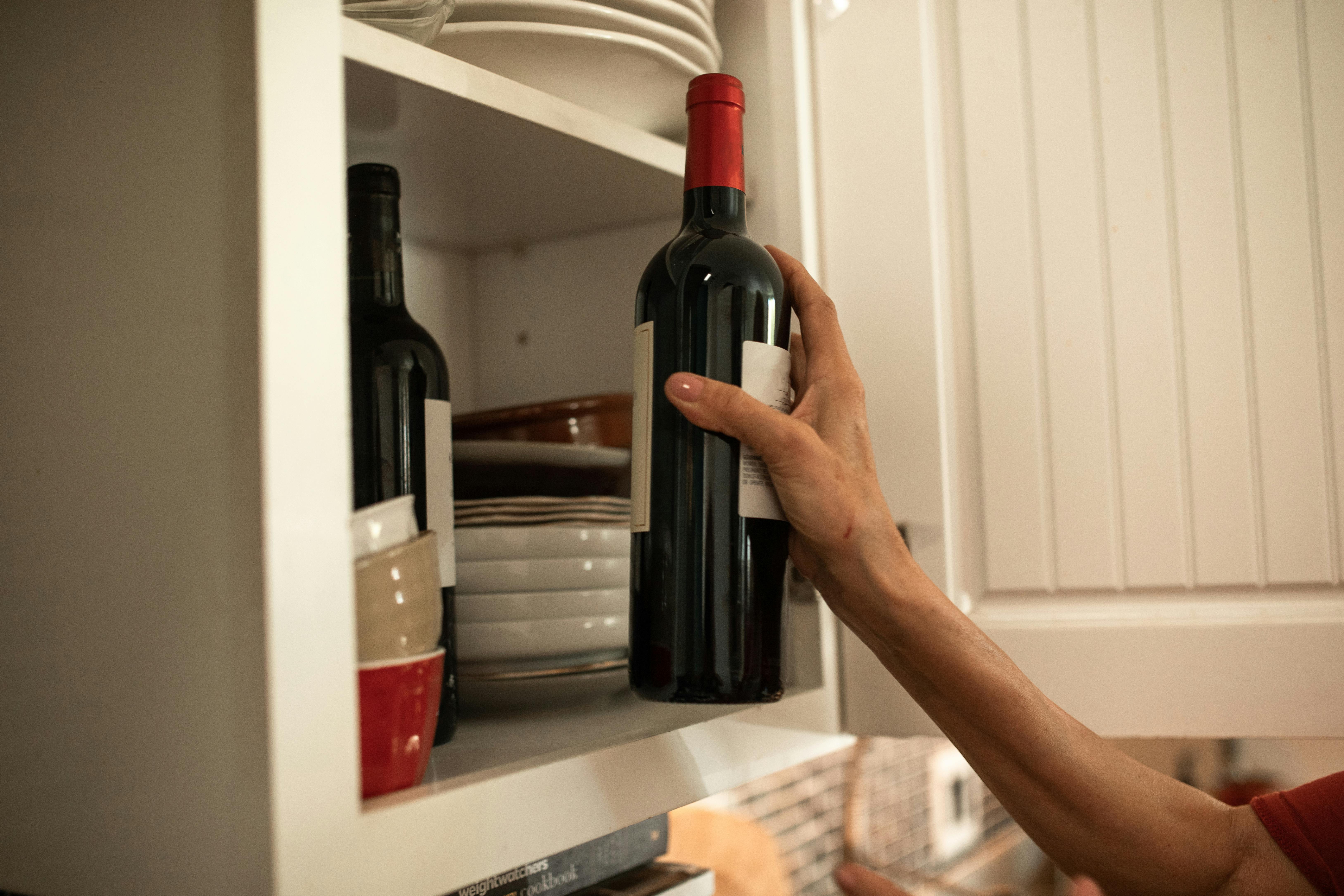
That exquisite glass of Cabernet, the crisp Sauvignon Blanc, the celebratory bubbles of Champagne – they’re more than just beverages; they’re moments, memories, and pure joy. But in a world increasingly focused on wellness, on counting every macro and understanding every ingredient, a silent question often whispers in the back of a wine lover’s mind: “How many calories am I really drinking?” It’s a conflict as old as time, or at least as old as the modern diet industry: the pure pleasure of wine versus the pursuit of health. What if you could have both? What if understanding the numbers didn't diminish the magic, but instead empowered you to savor every sip with confidence, intention, and zero guilt? Welcome to the ultimate guide that will transform your relationship with wine, proving that knowledge is not just power, but also pure, unadulterated pleasure.
🍷 What's Happening Right Now
The American palate has evolved, and with it, our collective consciousness around health and well-being. From the bustling farmers’ markets to the explosion of fitness apps, the desire for a balanced, vibrant lifestyle is a dominant force shaping consumer choices. This wellness revolution hasn't bypassed the wine aisle; in fact, it's driving a seismic shift in how we think about, purchase, and consume our favorite fermented grape juice. For years, wine was often seen as an indulgent exception to dietary rules, a mysterious elixir whose caloric impact was best left unquantified. But those days are over.
Today, wine enthusiasts are savvier, more inquisitive, and unapologetically health-conscious. They’re tracking macros, exploring ketogenic diets, embracing mindful eating, and scrutinizing ingredient labels on everything from almond milk to artisanal bread. It’s only natural that this intense focus would extend to wine. The truth is, the calorie content of wine has become a significant talking point, a factor influencing purchasing decisions for millions across the United States. Google searches for "low-calorie wine," "wine carbs keto," and "how many calories in a glass of red wine" are skyrocketing, indicating a clear and present demand for transparent, actionable information.
But here’s the rub: unlike a bag of chips or a protein bar, wine bottles don't come with a neat nutrition label. This lack of transparency has fueled confusion, myth, and often, unnecessary guilt. Many wine lovers find themselves navigating a murky landscape, making assumptions based on color (red must be heavier, white lighter, right? Not always!) or sweetness (sweet wines are always higher, but by how much?). This uncertainty can detract from the very enjoyment wine is meant to provide. Imagine savoring a beautiful Chardonnay, only to have a nagging calorie question overshadow the experience. That’s precisely what we aim to dispel.
The reality is that wine calories primarily come from two sources: alcohol and residual sugar. Alcohol, specifically ethanol, is surprisingly calorie-dense, packing about 7 calories per gram – almost as much as fat (9 calories/gram) and significantly more than carbohydrates or protein (4 calories/gram). This means that a higher alcohol by volume (ABV) wine will almost always have more calories, regardless of its sugar content. Residual sugar, the natural grape sugar left over after fermentation, is the other major contributor. Dry wines have very little to no residual sugar, while sweeter wines, like dessert wines or some Moscato, can have substantial amounts. Understanding this fundamental equation is the first step toward making informed choices.
The industry is responding. We’re witnessing an exciting surge in innovation with the emergence of wines specifically marketed as "low-calorie," "low-carb," or "zero sugar." These aren't just niche products; they're becoming mainstream, reflecting a genuine shift in consumer priorities. For WINE MYSTIQUES, this trend represents a golden opportunity to guide our discerning audience, not just towards exceptional taste, but towards intelligent consumption that aligns with their holistic lifestyle goals. It’s about empowering you to choose wisely, sip mindfully, and celebrate without compromise.
💰 Best Options in Comparison
Navigating the world of wine with a calorie-conscious mindset doesn't mean sacrificing pleasure; it means making smarter, more informed choices. The market is richer than ever with options that cater to health-aware enthusiasts. Here's how to become a savvy wine selector, along with a comprehensive comparison to guide your next pour.
Option 1: Embrace Dry, Lower-ABV Wines
As we've established, alcohol is the primary caloric driver in wine. Therefore, one of the simplest and most effective strategies is to gravitate towards wines with a lower Alcohol By Volume (ABV). Look for wines in the 10-12.5% ABV range. Many classic European styles, especially from cooler climates, naturally fall into this category. Think crisp Italian Pinot Grigio, French Muscadet, German Riesling (trocken or dry styles), or a lighter-bodied French Beaujolais. These wines are typically dry, meaning they have minimal residual sugar, further reducing their caloric impact. They often offer vibrant acidity and refreshing characteristics that make them incredibly food-friendly and enjoyable.
Option 2: Explore the Exploding Low-Calorie/Low-Carb Market
This category is perhaps the most direct answer to the calorie conundrum. Winemakers are actively innovating to produce delicious wines with significantly reduced calories and carbohydrates. This is often achieved through specific yeast strains that consume more sugar, or by harvesting grapes at slightly lower ripeness levels to manage sugar content. Many brands are now explicitly labeling their wines as "light," "diet," or "zero sugar." While some purists might scoff, the quality in this segment has improved dramatically, offering genuine alternatives that don't compromise on flavor. WINE MYSTIQUES is constantly scouting for the best of these emerging options, ensuring you don't miss out on quality.
Option 3: Master Portion Control and Mindful Drinking
Sometimes, it's not just about *what* you drink, but *how much*. A standard wine serving is 5 ounces (150ml). However, many wine glasses, especially those designed for aeration and appreciation, hold significantly more. It's easy to pour a generous 8-ounce glass without realizing it, instantly increasing your calorie intake by 60-80%. Invest in a measuring pourer or simply be mindful when filling your glass. Savor each sip, truly experiencing the aroma and flavor. This mindful approach not only helps with calorie management but also enhances the overall enjoyment of your wine, turning each glass into a truly enriching experience.
Option 4: Consider Sparkling Wines (Brut/Extra Brut)
Good news for bubble lovers! Many dry sparkling wines, particularly Brut and Extra Brut Champagnes, Cavas, and Proseccos, tend to be lower in calories and carbs than their still counterparts. The traditional method of production often results in very low residual sugar, and while they still contain alcohol, their effervescence can make them feel lighter and more refreshing, naturally encouraging slower consumption. They're perfect for celebrations or as an aperitif, offering elegance without excessive caloric burden.
Option 5: Understand Varietal Tendencies
While not an absolute rule, certain grape varietals tend to produce wines that are naturally lower in alcohol and sugar. For whites, think Sauvignon Blanc, Pinot Grigio/Gris, Grüner Veltliner, and dry Riesling. For reds, lighter-bodied options like Pinot Noir, Gamay (Beaujolais), and some Italian Barberas often have lower ABVs compared to robust Cabernet Sauvignons or Zinfandels. Familiarizing yourself with these general tendencies empowers you to make educated guesses even when specific nutritional information isn't available.
To provide a clearer picture, here's a comparative breakdown of popular wine types and their approximate caloric and carbohydrate content per standard 5oz (150ml) serving. Remember, these are averages and can vary based on specific vintage, producer, and winemaking techniques.
| Wine Type | Approx. ABV (%) | Approx. Calories (per 5oz) | Approx. Carbs (g per 5oz) | Key Characteristics & Notes |
|---|---|---|---|---|
| Dry Red Wine (e.g., Pinot Noir, Merlot, Cabernet Sauvignon) | 13.0 - 14.5% | 120 - 130 | 3 - 4 | Higher ABV contributes most calories. Very low residual sugar. |
| Dry White Wine (e.g., Sauvignon Blanc, Pinot Grigio, Unoaked Chardonnay) | 12.0 - 13.5% | 110 - 120 | 2 - 3 | Generally lower ABV than reds. Minimal residual sugar. |
| Brut Sparkling Wine (e.g., Champagne, Cava, Prosecco) | 11.0 - 12.5% | 100 - 110 | 1 - 2 | Very low residual sugar. Refreshing and often consumed slower. |
| Sweet Dessert Wine (e.g., Port, Sauternes, Moscato d'Asti) | 5.0 - 20.0%+ | 160 - 250+ | 10 - 20+ | High residual sugar and often higher ABV. Meant for smaller servings. |
| Low-Calorie/Low-Alcohol Wine (Emerging Category) | 7.0 - 10.0% | 80 - 100 | 1 - 2 | Specifically crafted for reduced calories/carbs. Growing in popularity. |
| Non-Alcoholic Wine (NA) | <0.5% | 15 - 30 | 3 - 7 | Virtually no alcohol. Carb content varies based on sugar added for flavor. |
This table illustrates the significant variations. While a dry red and a Brut sparkling might have similar carb counts, their caloric differences often stem from ABV. Dessert wines, as expected, are calorie and carb powerhouses, designed for indulgent sips, not full glasses. The burgeoning low-calorie segment offers a compelling alternative for those seeking to significantly reduce their intake without abandoning wine altogether. WINE MYSTIQUES encourages you to explore these options, perhaps discovering a new favorite that perfectly aligns with your lifestyle goals.
Conclusion
The journey through the world of wine calories doesn't have to be one of deprivation or confusion. Instead, it’s an empowering path towards greater knowledge, more mindful choices, and ultimately, enhanced enjoyment. The modern wine enthusiast, particularly in the US, is a sophisticated individual who understands that true indulgence comes from balance, not excess. By understanding the simple science behind wine calories – primarily driven by alcohol and residual sugar – and by leveraging the growing array of options available, you can confidently integrate your passion for wine into a healthy, vibrant lifestyle.
Whether you choose to embrace the elegance of a low-ABV dry white, explore the exciting innovations in the low-calorie wine market, or simply practice mindful portion control with your beloved Cabernet, the power is now in your hands. At WINE MYSTIQUES, we believe that every sip should be a celebration, free from guilt and full of flavor. This insight isn't about telling you to drink less; it's about empowering you to drink smarter, to appreciate more deeply, and to make choices that align with your personal well-being goals without ever compromising on the magic of wine. So, raise a glass – an informed, intentional glass – to a future where pleasure and health coexist beautifully. Explore our curated selections and continue your journey of discovery with WINE MYSTIQUES, where every bottle tells a story, and every story is worth savoring.