
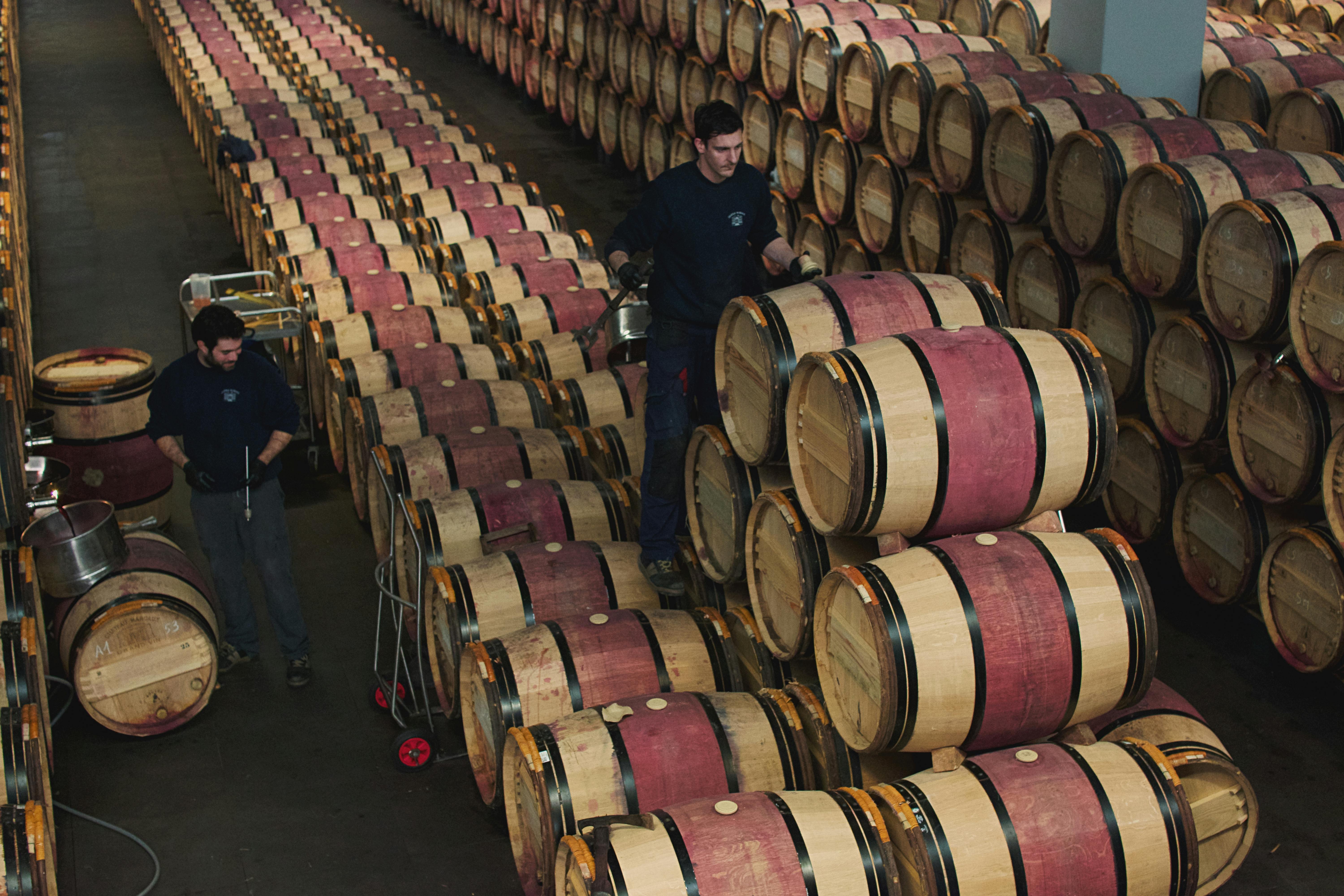
Discover how Artificial Intelligence and data-driven precision viticulture are transforming the wine industry in 2026. From optimizing grape quality and yield to streamlining winery operations and boosting profitability, explore the cutting-edge smart winery technologies and expert solutions that every modern vintner needs to consider for a sustainable and prosperous future.
Introduction to the Topic
The year is 2026, and the world of winemaking is buzzing with a revolution as profound as the introduction of the oak barrel or stainless steel tanks: Artificial Intelligence (AI) and Precision Viticulture. Gone are the days when intuition and tradition were the sole arbiters of a vintage's fate. Today, savvy vintners are harnessing the power of data, predictive analytics, and automated systems to make more informed decisions, mitigate risks, and craft wines of unprecedented quality and consistency. This isn't just about efficiency; it's about elevating the art of winemaking to a new scientific zenith, securing profitability, and ensuring sustainability for generations to come. For any winery looking to thrive in an increasingly competitive and climate-challenged landscape, embracing these smart winery technologies isn't an option – it's an imperative.
This comprehensive guide from winemystiques.com will delve into the transformative impact of AI and precision viticulture, explore the tangible benefits for your bottom line, and, crucially, help you navigate the burgeoning market of smart solutions available in 2026. Whether you're a boutique producer or a large-scale operation, understanding and implementing these innovations will be key to uncorking your vineyard's full potential.
Backgrounds & Facts
The journey towards data-driven winemaking began subtly years ago with weather stations and basic soil sensors. However, the last five years have seen an exponential leap, primarily driven by advancements in AI algorithms, cheaper and more sophisticated IoT (Internet of Things) sensors, and accessible cloud computing. In 2026, these technologies are no longer nascent; they are mature, robust, and delivering measurable ROI across the globe.
Key Facts & Trends for 2026:
- Market Growth: The global market for smart agriculture, a category encompassing precision viticulture, is projected to exceed $30 billion by 2027, with viticulture being a significant growth driver due to the high value of its crop.
- Yield Optimization: AI-powered models can predict yield with up to 95% accuracy, allowing wineries to optimize resources, manage labor more effectively, and plan for production with unprecedented foresight.
- Quality Enhancement: Hyperspectral imaging and AI analysis of grape composition (sugar, acid, phenolics) allow for optimal harvest timing, leading to superior wine quality and consistency.
- Resource Efficiency: Precision irrigation systems, guided by soil moisture sensors and AI weather predictions, can reduce water consumption by 20-30%. Similarly, targeted pest and disease management, informed by AI, significantly lowers pesticide use and associated costs.
- Climate Resilience: With unpredictable weather patterns becoming the norm, AI models provide crucial early warnings for frost, heatwaves, and disease outbreaks, enabling proactive protective measures.
- Labor Shortage Mitigation: Automated vineyard tasks, guided by AI, from pruning assistance to selective harvesting, are becoming vital solutions to persistent labor challenges.
These innovations move beyond simple data collection; they offer actionable intelligence, transforming raw information into strategic advantages. From the vine to the bottle, AI is redefining every stage of the winemaking process, offering a pathway to greater sustainability, efficiency, and ultimately, more profitable and exceptional wines.
Expert Opinion / Analysis
“The shift we’re witnessing isn't just technological; it’s philosophical,” states Dr. Elara Vance, lead viticulture AI specialist at VinTech Analytics. “Wineries are moving from reactive decision-making to proactive, data-informed strategies. The biggest misconception is that AI replaces the winemaker’s artistry. On the contrary, it enhances it. AI handles the complex data analysis, freeing the winemaker to focus on the creative nuances, the blending, and the expression of terroir.”
For smaller wineries, the initial investment can seem daunting. However, Dr. Vance highlights that scalable solutions are now readily available. “You don't need to overhaul your entire operation overnight. Start with targeted solutions – perhaps a precision irrigation system, or an AI-driven disease prediction platform. The ROI is often seen within a few vintages through reduced costs, improved yields, and better wine quality.” Many platforms now offer subscription-based models, making advanced analytics accessible without massive upfront capital expenditure.
Larger wineries, on the other hand, are integrating comprehensive smart vineyard platforms that manage everything from drone imagery analysis for canopy vigor to fermentation kinetics in real-time. “For big players, the competitive edge comes from micro-optimization across thousands of acres and hundreds of tanks,” explains Marcus Thorne, CEO of Global Vintner Solutions. “AI can identify subtle variations in blocks, recommend specific interventions, and even predict consumer preferences based on historical data, guiding blending decisions. This level of granular control was unimaginable a decade ago.”
The learning curve, while present, is becoming less steep. User-friendly interfaces, robust customer support, and a growing ecosystem of specialized consultants mean that even traditionally-minded vintners can adapt. The consensus among experts in 2026 is clear: the question is no longer if a winery should adopt AI and precision viticulture, but when and how to best integrate these powerful tools to secure a prosperous future.
💰 Best Options in Comparison (VERY IMPORTANT)
Navigating the diverse landscape of AI and precision viticulture solutions in 2026 can be overwhelming. To help you make informed purchasing decisions, we've identified four leading categories of solutions, each catering to different needs and scales. Whether you're looking for a comprehensive overhaul or a targeted improvement, there's a smart tech solution for you.
- 1. Integrated Smart Vineyard Platforms (e.g., "VineSense Pro"): These are all-encompassing software suites that combine various data inputs (weather, soil, vine sensors, drone imagery) with AI analytics to provide holistic vineyard management. They offer predictive modeling for yield, disease, irrigation, and harvest timing, often with intuitive dashboards.
- 2. Specialized Sensor & IoT Systems (e.g., "AquaVine Monitors" & "PestPredict AI"): Focused hardware solutions designed for specific tasks. This includes advanced soil moisture probes, sap flow sensors, canopy temperature monitors, and automated pest traps that feed data into specialized AI models for targeted interventions.
- 3. AI-Powered Vinification & Blending Software (e.g., "FermentIQ AI"): These solutions focus on the winery itself, post-harvest. They monitor fermentation in real-time, predict optimal yeast activity, detect spoilage risks, and even offer AI-driven recommendations for blending based on desired flavor profiles and market trends.
- 4. Winery AI Consulting & Custom Solutions (e.g., "VinTech AI Consultants"): For wineries with unique challenges or those preferring a bespoke approach, these services offer expert consultation, custom AI model development, and integration of various systems. They can bridge the gap between existing infrastructure and cutting-edge AI.
Here’s a detailed comparison to help you weigh your options:
| Solution Type | Key Features | Best For | Estimated Investment (Annual/Subscription) | Integration Difficulty | Noteworthy Advantage |
|---|---|---|---|---|---|
| Integrated Smart Vineyard Platforms (e.g., VineSense Pro) | Holistic data integration, predictive analytics (yield, disease, irrigation), drone mapping, comprehensive dashboards, mobile access. | Medium to Large Wineries seeking full operational oversight and strategic planning. | $$ (Starts from $5,000 - $20,000+ per year depending on acreage and features) | Medium (Requires initial setup & data input) | Single source of truth for all vineyard data; maximum ROI potential. |
| Specialized Sensor & IoT Systems (e.g., AquaVine Monitors, PestPredict AI) | Real-time soil moisture, sap flow, canopy temp, automated pest counts, hyper-local weather data, disease risk alerts. | Small to Medium Wineries, or those targeting specific problem areas (e.g., water conservation, pest control). | $ (Hardware costs $500 - $3,000 per sensor unit, plus $100 - $500 annual data subscription) | Low to Medium (Relatively easy to deploy; may require separate app interfaces) | Highly targeted solutions; excellent entry point for AI adoption; rapid ROI on specific issues. |
| AI-Powered Vinification & Blending Software (e.g., FermentIQ AI) | Fermentation monitoring, spoilage detection, yeast activity prediction, blending recommendations based on sensory profiles & market trends. | Wineries focused on consistency, quality control, and optimizing cellar operations. | $$ (Starts from $1,500 - $10,000+ per year, often based on production volume) | Medium (Requires integration with existing tank sensors and lab data) | Elevates wine quality and consistency; reduces costly errors in the cellar; guides market-driven blending. |
| Winery AI Consulting & Custom Solutions (e.g., VinTech AI Consultants) | Bespoke AI model development, system integration, data strategy, training, problem-solving for unique vineyard/winery challenges. | Wineries with complex needs, specific legacy systems, or those seeking a truly unique competitive edge. | $$$ (Project-based, ranging from $10,000 to $100,000+) | High (Requires close collaboration with consultants) | Tailored solutions for maximum impact; ideal for optimizing highly specific processes. |
Outlook & Trends
The trajectory of AI and precision viticulture in 2026 points towards even more sophisticated and integrated systems. We anticipate several key trends shaping the future:
- Hyper-Personalization: Future AI models will not only optimize for general quality but also for specific consumer preferences, allowing wineries to craft wines tailored to niche markets with unprecedented accuracy.
- Robotics & Automation Integration: Expect to see more autonomous robots performing tasks like pruning, spraying, and even selective harvesting, all guided by AI and sensor data, further addressing labor challenges.
- Blockchain for Traceability: AI-verified data, stored on blockchain, will provide unparalleled transparency from vine to bottle, assuring consumers of authenticity, sustainability practices, and quality, enhancing brand trust and premiumization.
- Advanced Predictive Modeling: Beyond current capabilities, AI will predict complex interactions between climate, soil microbiology, and vine physiology, offering insights into long-term vineyard health and adaptation strategies for climate change.
- Edge Computing: More processing power will move directly to vineyard sensors (edge devices), allowing for faster, real-time decision-making without constant reliance on cloud connectivity, crucial for remote vineyards.
These developments promise a future where winemaking is not only more efficient and sustainable but also more resilient and responsive to both environmental challenges and market demands. The synergy between human expertise and artificial intelligence will continue to push the boundaries of what’s possible in crafting exceptional wines.
Conclusion
In 2026, the adoption of AI and precision viticulture is no longer a futuristic fantasy but a tangible reality delivering significant returns for wineries worldwide. From maximizing yields and conserving precious resources to enhancing wine quality and mitigating climate risks, these smart winery technologies are indispensable tools for the modern vintner. The options are diverse, scalable, and increasingly accessible, offering a clear path to increased profitability and a sustainable future.
Don't be left behind in the digital transformation of winemaking. Explore the solutions presented, assess your vineyard's unique needs, and consider how investing in AI can future-proof your operation, elevate your craft, and ensure that your wines continue to captivate palates for decades to come. The future of winemaking is intelligent, and it's here now.