
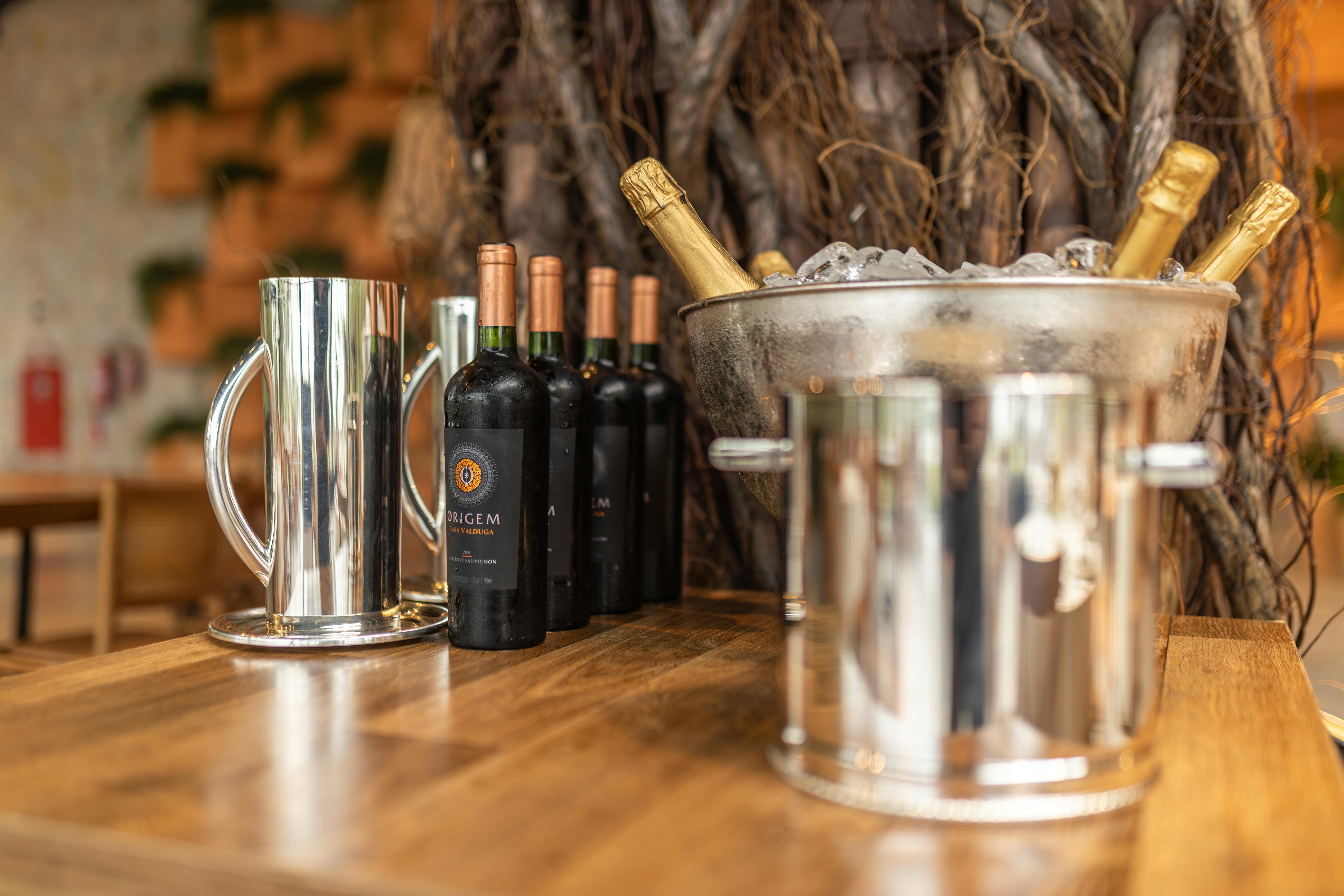
Discover how premium sustainable wines are redefining luxury in 2026. From biodynamic Bordeaux to organic Napa, explore the investment potential, unparalleled quality, and ethical allure of the world's most sought-after eco-conscious vintages. Find your next cellar masterpiece or discerning sip with our expert guide to top sustainable luxury wine brands and investment opportunities.
Introduction to the Topic
In the evolving landscape of fine wine, 2026 marks a pivotal year for a trend that has transcended niche status to become a cornerstone of the premium market: sustainable luxury wines. Far from a passing fad, the demand for ethically produced, environmentally responsible, and high-quality vintages has exploded, driven by a new generation of conscious consumers and savvy investors alike. This isn't just about 'organic' anymore; it's about a holistic approach to viticulture that encompasses biodynamic practices, regenerative agriculture, and a profound respect for terroir, all while delivering unparalleled complexity and aging potential. For discerning palates and shrewd portfolios, sustainable luxury wines represent the ultimate convergence of pleasure, ethics, and profitability.
Winemystiques.com dives deep into this burgeoning sector, exploring why these premium wines are not only captivating critics and sommeliers worldwide but also offering some of the most compelling investment opportunities in the global wine market. As climate concerns intensify and consumer values shift, understanding the nuances of sustainable luxury wine is no longer optional – it's essential for anyone looking to navigate the future of fine wine collecting and enjoyment.
Backgrounds & Facts
The journey towards sustainable luxury in wine has been decades in the making, but its acceleration in the mid-2020s is undeniable. By 2026, certifications such as organic (USDA Organic, EU Organic), biodynamic (Demeter, Biodyvin), and various regional sustainability labels (e.g., Napa Green, Sustainable Winegrowing New Zealand) have become crucial markers of quality and authenticity. These aren't merely badges; they represent rigorous adherence to practices that minimize environmental impact, promote biodiversity, and often result in healthier vines and more expressive wines.
Organic viticulture, at its core, prohibits synthetic pesticides, herbicides, fertilizers, and genetically modified organisms. Biodynamics, a step further, views the vineyard as a self-sustaining ecosystem, incorporating astronomical influences and specific preparations to enhance soil vitality and vine health. Regenerative agriculture, the newest frontier, aims not just to sustain but to actively improve soil health, sequester carbon, and boost biodiversity, often involving cover cropping, minimal tillage, and integrated pest management. The cumulative effect of these practices is often a wine that offers greater purity, a clearer expression of its terroir, and enhanced longevity.
Market data from early 2026 indicates that premium wines bearing strong sustainability credentials command a significant price premium, often outperforming conventional counterparts in auction houses and direct-to-consumer sales. Consumer research consistently shows that younger, affluent buyers are willing to pay more for products aligned with their values, making sustainable luxury wines a powerful demographic magnet. Furthermore, institutional investors and fine wine funds are increasingly allocating portions of their portfolios to these 'green gold' assets, recognizing their resilience and growth potential in a carbon-conscious economy.
Expert Opinion / Analysis
"The shift towards sustainable luxury isn't just about marketing; it's about a fundamental re-evaluation of quality," explains Dr. Elara Vance, a leading viticultural scientist and sustainability consultant. "Wineries embracing these practices are often doing so out of a deep commitment to their land and the long-term health of their vineyards. This commitment translates directly into the bottle, yielding wines of exceptional balance, complexity, and age-worthiness that truly reflect their origin. By 2026, a truly great wine is almost inherently a sustainably produced one."
Master Sommelier Julian Thorne adds, "From a tasting perspective, the difference is often palpable. Biodynamic Burgundies or organically farmed Napa Cabernets frequently exhibit a vibrancy, a clarity of fruit, and a mineral precision that can be less pronounced in their conventionally farmed counterparts. They tell a more authentic story of their place. For restaurants and collectors, these wines are not just a statement of ethical choice; they are a guarantee of superior sensory experience."
However, the journey isn't without its challenges. "Converting to organic or biodynamic farming is a massive undertaking, both financially and operationally," notes Isabella Rossi, a prominent wine critic specializing in Italian wines. "It requires significant investment, meticulous labor, and often a reduction in yields. This is part of why these wines are premium – they represent a greater dedication to craft and a higher cost of production. But for the consumer, that investment translates into a more profound and reliable experience." She also points out the importance of avoiding 'greenwashing,' urging consumers to look for verifiable certifications and transparent winery practices rather than just buzzwords.
💰 Best Options in Comparison (VERY IMPORTANT)
For those looking to invest in or simply savor the finest sustainable luxury wines of 2026, here are some of the most compelling options currently captivating the market. These selections represent a blend of established icons embracing sustainability and pioneering estates making waves with their eco-conscious approach.
-
Château Les Verts Domaines, Bordeaux, France
A hypothetical Left Bank Grand Cru Classé, Château Les Verts Domaines completed its full organic conversion in 2024, now also incorporating biodynamic principles across its 70 hectares. Renowned for its elegant Cabernet Sauvignon-dominant blends, their 2022 and 2023 vintages (the first fully certified organic releases) have already seen significant price appreciation on the secondary market. Expect profound structure, dark fruit, cedar, and a finish that promises decades of evolution. An essential cellar addition for serious collectors and investors.
-
Tenuta Luna Nera, Barolo, Piedmont, Italy
Nestled in the revered hills of Barolo, Tenuta Luna Nera has been a biodynamic pioneer since the early 2000s, long before it became fashionable. Their Nebbiolo, sourced from ancient, low-yielding vines, expresses the purest essence of Serralunga d'Alba terroir. Certified Demeter, their wines are celebrated for their ethereal perfume, formidable tannic structure, and incredible longevity. The 2019 and 2020 releases are particularly sought after, offering an unparalleled blend of power and finesse. A benchmark for biodynamic excellence in Italian fine wine.
-
Solstice Ridge Vineyards, Napa Valley, California, USA
Solstice Ridge represents the cutting edge of New World regenerative viticulture. Established in 2010, this boutique winery in the Atlas Peak AVA focuses on Cabernet Sauvignon and a small parcel of Syrah, employing advanced regenerative practices, water conservation technologies, and a commitment to biodiversity. Their wines are concentrated yet balanced, showcasing ripe black fruit, integrated oak, and a distinctive mineral streak. The 2021 and 2022 vintages are receiving rave reviews for their intensity and complexity, positioning Solstice Ridge as a future cult classic and a smart investment for those seeking innovative Californian luxury.
Comparative Analysis of Top Sustainable Luxury Wine Investments (2026)
| Winery Name | Region/Country | Primary Certification | Signature Style/Grape | Price Range (per bottle) | Investment Potential | Key Selling Point |
|---|---|---|---|---|---|---|
| Château Les Verts Domaines | Bordeaux, France | Organic (Biodynamic practices) | Cabernet Sauvignon Blend | $350 - $800+ | Very High (Established pedigree + new sustainability premium) | Classic elegance meets modern ethics; proven aging capacity. |
| Tenuta Luna Nera | Barolo, Italy | Biodynamic (Demeter Certified) | Nebbiolo | $200 - $600+ | High (Pioneering status, critical acclaim, limited production) | Pure expression of terroir through decades of biodynamic commitment. |
| Solstice Ridge Vineyards | Napa Valley, USA | Regenerative (Self-certified + third-party audits) | Cabernet Sauvignon | $180 - $450+ | Excellent (Innovative approach, rising critical scores, New World demand) | Cutting-edge sustainability meets Napa power and precision. |
Outlook & Trends
Looking beyond 2026, the trajectory for sustainable luxury wines is steep and upward. We anticipate several key trends shaping this sector:
- Blockchain Provenance: Expect greater adoption of blockchain technology for immutable provenance tracking, ensuring authenticity and transparency for high-value sustainable bottles, further boosting investor confidence.
- Expansion of Regenerative Viticulture: Regenerative practices will move from being avant-garde to mainstream within the premium segment, with more wineries seeking comprehensive certifications that demonstrate a net positive environmental impact.
- Climate-Resilient Varietals: Research into and planting of climate-resilient grape varietals, often naturally suited to organic or biodynamic farming, will become more prevalent in traditional regions.
- Eco-Tourism Integration: Premium sustainable wineries will increasingly offer immersive, educational eco-tourism experiences, attracting discerning travelers interested in the story behind the bottle and the environment it comes from.
- Secondary Market Dominance: The secondary market for these wines will continue to grow robustly, driven by their scarcity, proven quality, and the increasing global demand for ethical luxury goods.
The convergence of consumer values, environmental necessity, and undeniable quality positions sustainable luxury wines at the forefront of the fine wine world for the foreseeable future. Investors and enthusiasts alike will find rich rewards in exploring this dynamic category.
Conclusion
The year 2026 solidifies sustainable luxury wines as more than just a trend; they are the new standard for excellence in the premium wine market. Offering an unparalleled combination of exquisite taste, robust investment potential, and a clear conscience, these wines cater to the modern connoisseur and investor. As the world continues to prioritize sustainability, the value and allure of these eco-conscious masterpieces will only continue to grow. Whether you're building a cellar, seeking a truly memorable bottle, or looking for a wise financial placement, sustainable luxury wines offer a compelling and rewarding path forward.