
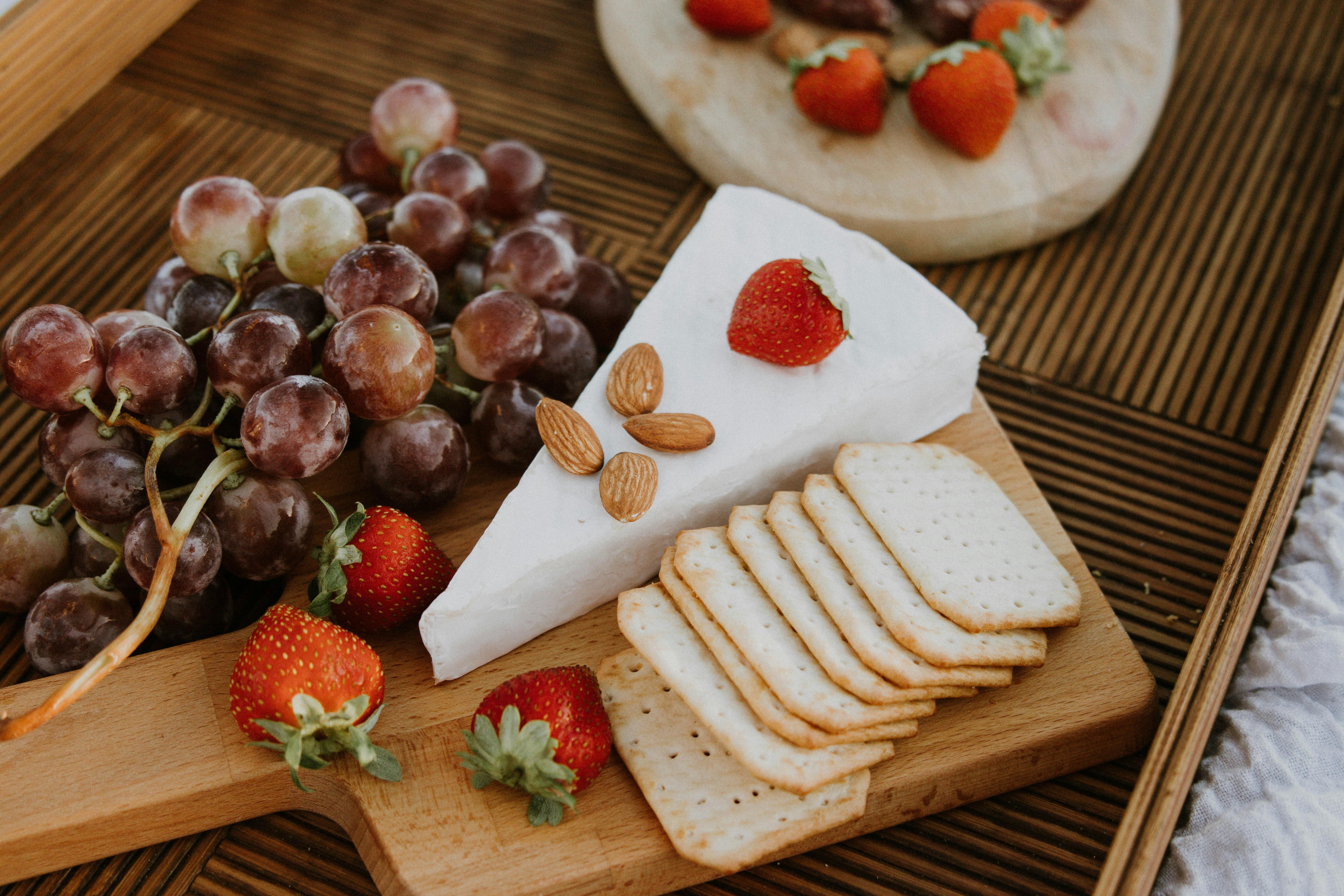
Discover how Artificial Intelligence is transforming food and wine pairing in 2026, offering hyper-personalized recommendations that cater to individual tastes, dietary needs, and occasion. Explore the cutting-edge AI apps and bespoke sommelier services revolutionizing your culinary journey, optimizing for unforgettable experiences and smart purchasing decisions.
Introduction to the Topic
For centuries, the art of food and wine pairing has been a delightful, yet often daunting, pursuit. From the classic 'red meat with red wine' adage to the intricate dance of regional specialties, enthusiasts have relied on tradition, expert advice, and sometimes, pure guesswork. But as we stand in 2026, a seismic shift has occurred. Artificial Intelligence (AI) is no longer a futuristic concept confined to sci-fi; it has profoundly entered our kitchens and cellars, fundamentally reshaping how we approach the sacred union of food and drink. This isn't just about efficiency; it's about unlocking an unprecedented level of personalization, transforming every meal into a bespoke culinary journey perfectly tailored to your unique palate. Get ready to bid farewell to pairing dilemmas and embrace a future where your ideal gastronomic match is just a click, or a voice command, away.
Backgrounds & Facts
Historically, food and wine pairing has been governed by a set of established principles: balancing acidity, complementing flavors, contrasting textures, and considering the weight or body of both components. A high-tannin Cabernet Sauvignon traditionally met a rich, fatty steak, while a crisp Sauvignon Blanc cut through the richness of goat cheese. These guidelines, while valuable, often felt prescriptive, leaving little room for individual preferences, adventurous experimentation, or the vast diversity of global cuisines now readily available. The sheer volume of wines and culinary innovations emerging annually has also made it increasingly challenging for even the most seasoned sommelier to keep pace with every potential synergy.
Enter Artificial Intelligence. The technological advancements leading up to 2026 have allowed AI algorithms to process colossal datasets at speeds unimaginable a decade ago. These datasets include comprehensive profiles of thousands of grape varietals, regional wines, and vintages, meticulously cataloging their aroma compounds, acidity levels, tannin structures, and flavor notes. On the culinary side, similar databases exist for ingredients, cooking methods, and global recipes, detailing their umami levels, fat content, spice profiles, and textural properties. Machine Learning (ML) models analyze millions of successful and unsuccessful pairings, drawing correlations and identifying patterns that human brains might miss. Natural Language Processing (NLP) allows these systems to understand complex user queries, dietary restrictions, and even emotional preferences, while advanced sensory analysis tools can objectively quantify aspects of taste and aroma. This data-driven approach moves beyond mere rules, delving into the chemical and experiential nuances that truly define a perfect match, offering a level of precision and discovery previously unattainable.
Expert Opinion / Analysis
Dr. Anya Sharma, a leading food tech ethicist and co-founder of 'PalatePredict AI,' believes AI's impact is nothing short of revolutionary. "For too long, the 'perfect pairing' was an elite concept, often dictated by subjective, sometimes even snobbish, opinions," she states. "Our AI models democratize this knowledge, making sophisticated pairing accessible to everyone. We're seeing users discover incredible, unconventional combinations that traditional sommelier training might overlook – a sparkling rosé with spicy Korean fried chicken, for instance, or an earthy Pinot Noir with a rich vegan mushroom ragout. The algorithm doesn't judge; it analyzes and recommends based on objective data and user feedback, driving genuine culinary exploration."
However, the rise of the AI sommelier isn't without its nuanced discussions. Renowned Master Sommelier, Jean-Luc Dubois, while acknowledging AI's undeniable utility, cautions against an over-reliance. "AI is an extraordinary tool, a powerful assistant, but it lacks the human element – the intuition, the empathy, the ability to read a diner's subtle cues or the ambiance of a moment," Dubois explains. "A human sommelier can tell a story, understand a client's mood, or suggest a wine based on a special memory. AI provides the optimal technical match; a human provides the optimal emotional experience. The future, I believe, lies in a harmonious collaboration, where AI handles the data crunching, and the human expert adds the irreplaceable layer of art and soul. The challenge is ensuring data diversity to prevent algorithmic bias and maintaining privacy as these systems collect increasingly personal preference data."
The analysis reveals that AI excels at identifying objective harmonies and discovering novel synergies by cross-referencing vast data points. It can reduce decision fatigue, minimize expensive pairing mistakes, and introduce users to wines and dishes they might never have considered. Yet, the human palate, with its complex interplay of memory, emotion, and context, remains the ultimate arbiter. AI serves as a guide, expanding horizons rather than dictating choices, fostering a new era of adventurous and informed dining.
💰 Best Options in Comparison (VERY IMPORTANT)
As AI permeates the culinary landscape, a variety of sophisticated tools and services have emerged, each designed to elevate your food and wine experience. Whether you're a casual home cook, an aspiring gourmand, or planning a grand event, there's an AI-driven solution tailored for you. Here are the leading options making waves in 2026, offering unparalleled personalization and insight:
-
DIY AI Pairing Apps & Platforms (e.g., 'FlavorSense AI' & 'VinoMind Pro')
These subscription-based applications are the most accessible entry point into AI-powered pairing. Designed for everyday users, home chefs, and wine enthusiasts, they offer real-time recommendations directly from your smartphone or smart kitchen display. Users input their dish ingredients, cooking method, or even simply scan a restaurant menu item, and the AI instantly suggests ideal wine pairings, complete with tasting notes, regional information, and purchasing links. Many platforms also allow users to build personal taste profiles, log their preferences, and even track their cellar inventory. They learn from your ratings and feedback, refining recommendations over time to become hyper-personalized. Some integrate with grocery delivery services, suggesting wines to add to your cart based on your meal plan.
-
Premium AI-Assisted Sommelier Consultation Services (e.g., 'Elite Palate Concierge' & 'VinAI Curators')
For those seeking a more bespoke, high-touch experience for special occasions, corporate events, or simply a desire for deeper expertise, these services combine the analytical power of AI with the nuanced guidance of human Master Sommeliers. Clients engage with a dedicated sommelier who utilizes advanced AI platforms to generate initial recommendations based on detailed questionnaires (dietary restrictions, budget, guest preferences, specific menu). The human expert then refines these AI-generated suggestions, adding their invaluable intuition, storytelling, and ability to source rare or unique bottles. These services often include virtual or in-person consultations, curated wine lists for multi-course meals, and even direct procurement of recommended wines. They represent the pinnacle of personalized culinary luxury, ensuring every detail is perfect.
-
Integrated Restaurant & Winery AI Systems (e.g., 'Gastrotech Solutions')
While less of a direct consumer product, it's vital to understand how AI is also empowering the industry. Many high-end restaurants and wineries are now deploying sophisticated AI systems to optimize their menus, manage wine inventory, and train staff. These systems can predict customer preferences, analyze sales data to identify popular pairings, and even assist chefs in creating new dishes specifically designed to harmonize with their wine lists. Wineries use AI to analyze terroir data and optimize grape cultivation for specific flavor profiles, ultimately leading to more consistent and targeted wine production. This behind-the-scenes integration ultimately benefits the consumer by ensuring more thoughtful and expertly crafted dining experiences.
Here's a comparison of the primary consumer-facing options:
| Feature | DIY AI Pairing Apps (e.g., FlavorSense AI) | Premium AI-Assisted Sommelier Services (e.g., Elite Palate Concierge) |
|---|---|---|
| Target User | Everyday home cooks, wine enthusiasts, budget-conscious users | Discerning gourmands, event planners, luxury seekers, corporate clients |
| Level of Personalization | High (based on user profiles, ratings, dietary needs); learns over time | Exceptional (AI foundation refined by human Master Sommelier's intuition & experience) |
| Key Features | Real-time recommendations, recipe integration, cellar management, purchasing links, taste profile building, dietary filters | Dedicated sommelier, bespoke wine list creation, event planning, rare wine sourcing, virtual/in-person consultations, curated tasting experiences |
| Pricing Model | Monthly/Annual Subscription (typically $5-$25/month) | Hourly rates, package deals, event-based fees (typically $200+ for consultation, much more for full service) |
| Pros | Affordable, immediate results, broad discovery, empowers self-learning | Unparalleled expertise, human touch, access to exclusive wines, stress-free planning, truly unique experiences |
| Cons | Lacks human intuition for subtle contexts, relies on user input accuracy, potential for 'analysis paralysis' with too many options | Significant investment, less immediate for spontaneous decisions, requires detailed upfront communication |
| Best For | Daily meal planning, exploring new wines, casual entertaining, wine education | Weddings, corporate dinners, milestone celebrations, building a high-end cellar, personalized wine education |
Outlook & Trends
Looking ahead, the evolution of AI in food and wine pairing promises even more astounding innovations. We anticipate deeper integration with smart home ecosystems, where your smart refrigerator might suggest a wine pairing based on its contents and your calendar, or your smart oven communicates directly with a pairing app for optimal synergy. Hyper-personalization will move beyond taste preferences, potentially incorporating biometric data – analyzing your current mood, stress levels, or even genetic predispositions to suggest pairings that not only taste good but also enhance well-being. Imagine an AI that knows you prefer a lighter, more refreshing wine on a warm evening when your heart rate is elevated, or a comforting, full-bodied red during a cozy, rainy afternoon.
Ethical considerations, however, will remain at the forefront. Data privacy will become paramount as AI systems collect increasingly intimate details of our consumption habits and personal preferences. Ensuring algorithmic transparency – understanding why an AI makes a particular recommendation – will be crucial for maintaining trust. Furthermore, AI could play a significant role in promoting sustainability, guiding consumers towards eco-friendly wines, locally sourced ingredients, and reducing food waste by optimizing meal planning and pairing choices. The future isn't just about perfect taste; it's about intelligent, responsible, and uniquely human-centric culinary experiences, continually enriched by our AI companions.
Conclusion
From the rustic charm of traditional pairing to the sophisticated algorithms of 2026, the journey of food and wine has always been about discovery and delight. AI is not here to replace the joy of human connection or the artistry of a sommelier, but rather to augment it, providing an unparalleled lens through which to explore the infinite possibilities of flavor. Whether you opt for an intuitive app or a premium sommelier service, embracing AI means unlocking a world of hyper-personalized, unforgettable culinary adventures. The future of perfect pairings is here, and it’s smarter, more accessible, and more delicious than ever before. It's time to uncork the potential.