
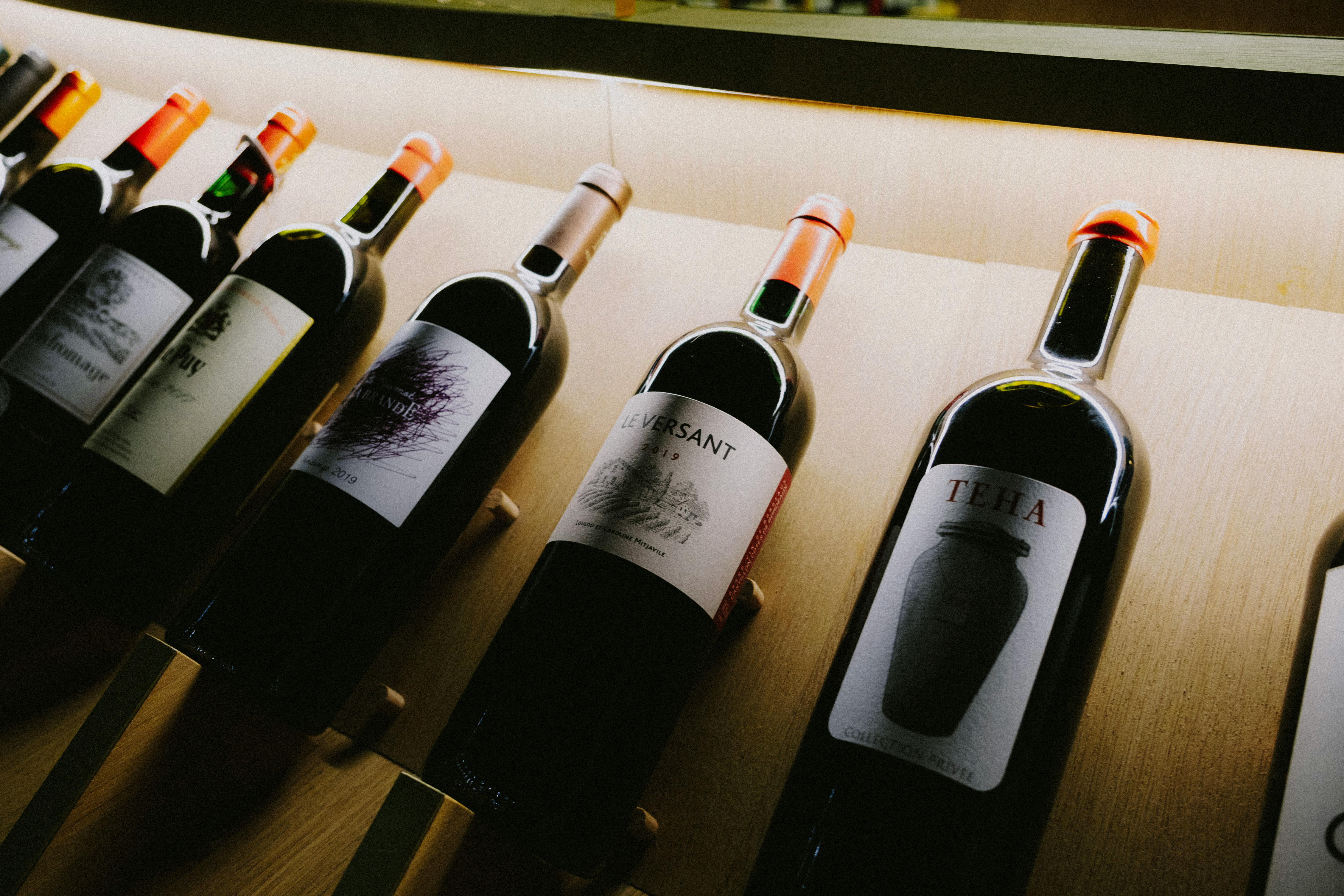
Explore the burgeoning world of sustainable and regenerative wines in 2026. Discover expert-reviewed eco-friendly vintages, understand vital certifications, and find the best organic and biodynamic bottles that deliver exceptional taste and support a healthier planet. Your definitive guide to buying premium, ethical wine for maximum enjoyment and impact.
Introduction to the Topic
Welcome to 2026, where the wine world isn't just evolving; it's undergoing a profound transformation. The days of simply seeking a delicious vintage are giving way to a more holistic approach, one where the health of our planet is as crucial as the pleasure in our glass. We are witnessing a 'Green Gold Rush' in viticulture, a fervent movement towards sustainable and, increasingly, regenerative wine production. Consumers, armed with greater awareness and purchasing power, are demanding transparency, ethical practices, and a tangible commitment to environmental stewardship from their favorite wineries. This isn't just a trend; it's the new standard, driven by a global consciousness and a growing understanding that truly great wine begins with healthy soil and a thriving ecosystem.
At Winemystiques.com, we've been tracking this seismic shift, and it’s clear that 2026 marks a pivotal year. From established Old World estates to innovative New World pioneers, wineries are embracing practices that go beyond mere sustainability – they're actively working to restore and revitalize their land. This comprehensive guide will navigate you through the exciting landscape of eco-conscious sipping, helping you identify the best sustainable wines of the year, understand what truly makes them 'green,' and ultimately, empower your purchasing decisions to support a healthier future, one exquisite sip at a time.
Backgrounds & Facts
The journey towards eco-conscious wine has seen several milestones, each building on the last. In 2026, the terminology can sometimes be confusing, but understanding the nuances is key to making informed choices. Let's demystify the core concepts:
- Sustainable Wine: This is the broadest category. Sustainable wineries aim to minimize their environmental footprint, conserve resources, and often consider social equity and economic viability. Practices include water conservation, reduced pesticide use, energy efficiency, and waste management. Certifications like SIP Certified (Sustainability in Practice), Lodi Rules, and California Certified Sustainable Winegrowing provide third-party verification, ensuring a holistic approach to vineyard and winery operations.
- Organic Wine: Certified organic wines are made from grapes grown without synthetic pesticides, herbicides, fungicides, or fertilizers. In the winery, limits are placed on added sulfites and other processing aids. Labels like USDA Organic (USA) or the EU Organic logo are your assurance. While organic farming is a cornerstone of sustainability, it doesn't always encompass broader ecological or social considerations.
- Biodynamic Wine: Taking organic principles further, biodynamic viticulture views the vineyard as a self-sustaining ecosystem influenced by cosmic rhythms. It involves specific herbal preparations, composting, and meticulous timing for vineyard activities based on lunar and planetary cycles. Demeter certification is the global standard for biodynamic wines, signifying a deep commitment to ecological balance and vitality.
- Regenerative Viticulture: This is the cutting edge of eco-conscious winegrowing, gaining significant traction in 2026. Regenerative practices go beyond merely sustaining; they actively seek to regenerate and improve soil health, increase biodiversity, enhance water cycles, and sequester carbon from the atmosphere. Techniques include cover cropping, no-till farming, holistic grazing, and agroforestry. The goal is to build living soil that is more resilient to climate change and produces grapes of exceptional quality. While formal certifications are still emerging (e.g., Regenerative Organic Certified®), many leading wineries are adopting these practices, often alongside existing organic or biodynamic certifications.
The market for these wines has exploded. Industry reports indicate that by 2026, over 40% of premium wine consumers actively seek out sustainably certified or eco-friendly options. This demand is fueled by increased awareness of climate change, a desire for healthier products, and a growing appreciation for wines that truly express their terroir – a characteristic often enhanced by vibrant, living soils.
Expert Opinion / Analysis
To truly grasp the significance of this shift, we turned to leading voices in the industry.
“The move towards regenerative viticulture isn't just about being 'green'; it's about future-proofing our vineyards,” explains Dr. Elara Vance, Viticulture Ethicist at the Global Wine Institute. “In 2026, we're seeing undeniable evidence that healthy, biologically active soils are more resilient to extreme weather events, require less irrigation, and produce grapes with more complexity and character. Consumers aren't just buying a bottle; they're investing in a philosophy, a commitment to a healthier planet.” Dr. Vance highlights that consumer education is paramount. “As more wineries adopt these practices, clear communication about certifications and tangible benefits becomes crucial for building trust and driving purchasing intent.”
Master Sommelier Liam Chen, a renowned wine educator and consultant, echoes this sentiment, but from a sensory perspective. “For years, we’ve spoken about terroir as the unique expression of place. Regenerative practices amplify this. When you have truly vibrant soil, teeming with microbial life, it translates directly into the grape, and ultimately, into the wine. We’re tasting wines today that possess a clarity, a minerality, and a depth that’s simply breathtaking. It’s not just ethical; it’s superior quality.” Chen notes a rising trend in restaurants actively curating wine lists dedicated solely to certified organic, biodynamic, and regenerative wines, recognizing their appeal to discerning diners.
The integration of advanced technology is also playing a pivotal role. AI-driven precision viticulture, drone mapping, and real-time soil analysis are allowing winemakers to implement sustainable and regenerative practices with unprecedented accuracy and efficiency, optimizing resource use and minimizing waste. This fusion of ancient wisdom and modern innovation is defining the landscape of wine in 2026.
💰 Best Options in Comparison (VERY IMPORTANT)
With the landscape clarified, let's explore some of the standout sustainable and regenerative wines and services making waves in 2026. These selections are chosen for their commitment to eco-conscious practices, exceptional quality, and availability, ensuring you can make an informed purchase.
-
Terra Nova Vineyards - 2024 Regenerative Cabernet Sauvignon (Napa Valley, USA)
Terra Nova has long been a benchmark for quality in Napa, but their recent transition to fully Regenerative Organic Certified® practices for their flagship Cabernet Sauvignon has set a new standard. This 2024 vintage showcases the profound impact of living soils on a classic varietal. Expect profound dark fruit, integrated tannins, and a persistent finish, underpinned by an earthy minerality that speaks of its revitalized terroir. A luxury option that doesn't compromise on ethics.
-
Veridian Estate - 2025 Carbon-Neutral Pinot Noir (Willamette Valley, USA)
Hailing from Oregon's celebrated Willamette Valley, Veridian Estate is a pioneer in carbon-neutral wine production, achieving this through a combination of regenerative farming, renewable energy, and extensive reforestation projects. Their 2025 Pinot Noir is a vibrant expression of the region: bright red fruit, delicate spice, and a silky texture. It's a testament to how environmental responsibility can enhance, rather than detract from, wine quality. An excellent value for an ethically produced, high-quality Pinot Noir.
-
EcoVino Selections - Monthly Regenerative Wine Club
For those seeking curated convenience, EcoVino Selections offers a revolutionary monthly wine club dedicated exclusively to certified organic, biodynamic, and regenerative wines from around the globe. Each box includes 3-4 hand-selected bottles, detailed tasting notes, and stories about the producers' eco-conscious journeys. It's an ideal way to explore diverse regions and varietals while ensuring every sip supports sustainable viticulture. Their expert sommelier team ensures top quality and value.
Here's a detailed comparison to help you choose the perfect eco-conscious option:
| Option | Key Certification | Region/Service Type | Price Point (Est. 2026) | Tasting Notes Highlight | Unique Selling Proposition |
|---|---|---|---|---|---|
| Terra Nova Vineyards - 2024 Regenerative Cabernet Sauvignon | Regenerative Organic Certified® | Napa Valley, USA | $120 - $150 / bottle | Profound dark fruit, integrated tannins, earthy minerality. | Luxury-tier, pioneering ROC in a prestigious region. |
| Veridian Estate - 2025 Carbon-Neutral Pinot Noir | Certified Carbon-Neutral, Organic | Willamette Valley, USA | $45 - $60 / bottle | Bright red fruit, delicate spice, silky texture. | Exceptional quality, tangible carbon footprint reduction. |
| EcoVino Selections - Monthly Regenerative Wine Club | Curated Organic, Biodynamic, Regenerative | Global (Subscription Service) | $80 - $150 / month (3-4 bottles) | Diverse profiles, discovery of new eco-producers. | Convenient, expert-curated exploration of ethical wines. |
Outlook & Trends
The future of wine in 2026 and beyond is undeniably green. Several key trends are set to shape the landscape:
- Global Adoption of Regenerative Practices: While early adopters were often in the New World or niche European regions, regenerative viticulture is rapidly becoming mainstream. Expect to see more iconic estates in Bordeaux, Burgundy, and Tuscany embrace these practices, driven by both environmental necessity and consumer demand.
- Hyper-Local Climate Adaptation: As climate variability intensifies, wineries will invest further in precision agriculture, utilizing AI and hyper-local data to manage water, nutrient cycles, and pest control with unprecedented accuracy. This will enable greater resilience and efficiency in eco-friendly farming.
- Biodiversity as a Key Indicator: Beyond soil health, the measurement and enhancement of biodiversity (flora, fauna, insects) within vineyards will become a critical metric for truly sustainable and regenerative operations. Expect certifications to evolve to include stronger biodiversity requirements.
- Carbon-Negative Aspirations: Some pioneering wineries are already aiming for carbon-negative status, meaning they remove more carbon from the atmosphere than they emit. This ambitious goal will inspire others, pushing the boundaries of environmental stewardship.
- Indigenous and Drought-Resistant Varietals: Research into and revival of indigenous grape varieties, particularly those naturally resistant to drought and disease, will accelerate. This not only preserves viticultural heritage but also offers a sustainable pathway for regions facing climatic challenges.
- Consumer-Driven Transparency: Blockchain technology and advanced QR codes on bottles will provide consumers with unprecedented access to information about a wine's journey, from vineyard practices to bottling. This transparency will further empower conscious purchasing decisions.
Conclusion
In 2026, choosing a bottle of wine is more than just a matter of taste; it's a statement. The rise of sustainable and regenerative wines represents a pivotal moment in viticulture, offering us the opportunity to enjoy exceptional quality while actively contributing to a healthier planet. From the rich, complex Cabernet of Terra Nova Vineyards to the elegant, carbon-neutral Pinot Noir of Veridian Estate, and the diverse offerings of EcoVino Selections, there are more options than ever to align your palate with your values.
The commitment of these wineries to ecological stewardship is not just a marketing ploy; it's a profound dedication that translates into more vibrant vineyards, more resilient ecosystems, and ultimately, more expressive and delicious wines. As consumers, our purchasing power is immense. By seeking out certified organic, biodynamic, and regenerative wines, we actively support the innovators and stewards of the land, encouraging the entire industry to follow suit.
So, the next time you reach for a bottle, remember the Green Gold Rush. Explore the options, taste the difference, and raise a glass not just to exquisite flavor, but to a sustainable and regenerative future. Your next sip can truly be a statement – a delicious one, at that.