
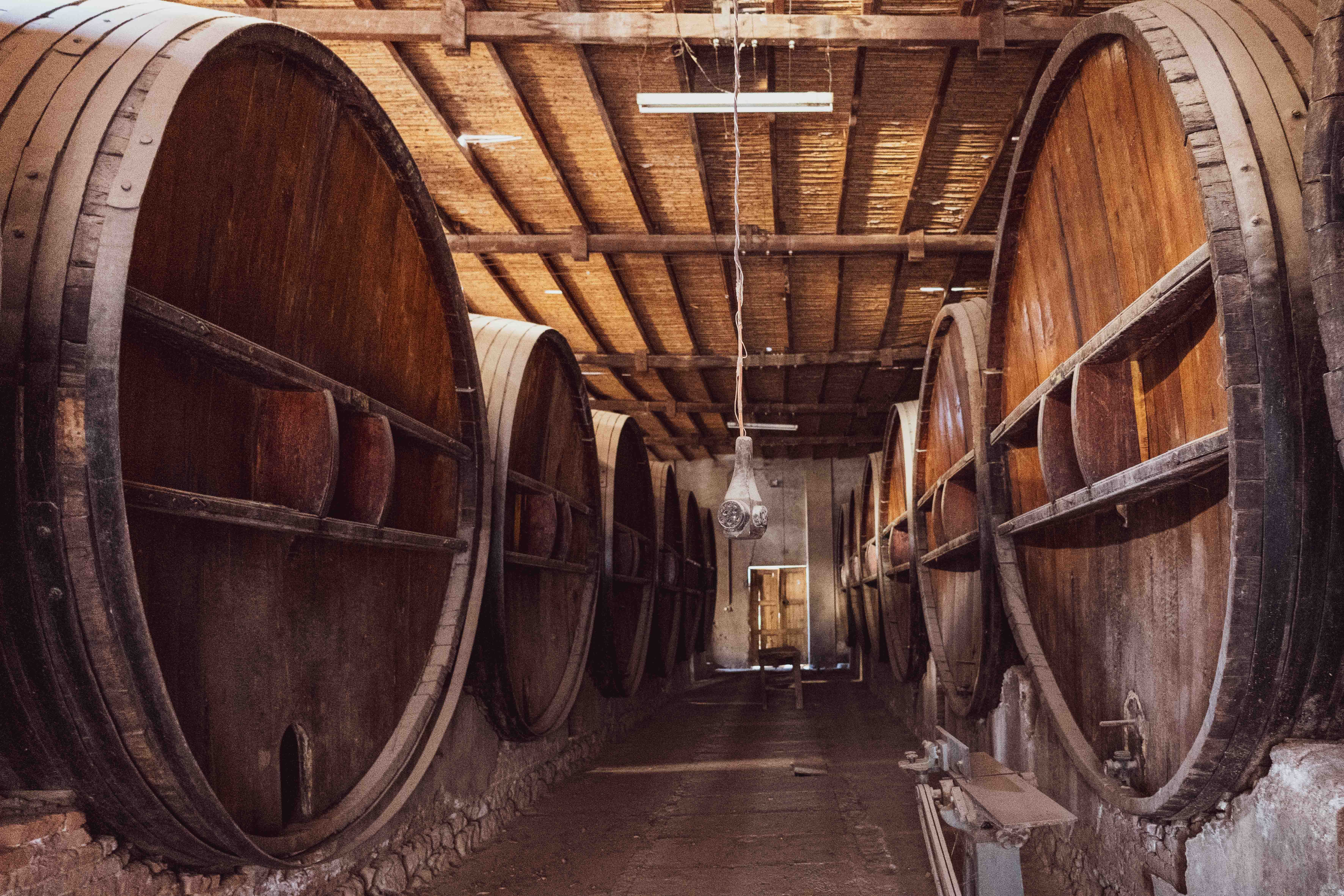
The world of wine is experiencing a profound renaissance, driven by groundbreaking archaeological discoveries and cutting-edge genetic science. In 2026, ancient DNA analysis is not just rewriting history; it's bringing forgotten grape varieties back to life, offering wine enthusiasts unparalleled tasting experiences and investment opportunities. Discover how these heritage grapes are reshaping viticulture, influencing natural winemaking, and where to find the best bottles and tours.
Introduction to the Topic
For millennia, wine has been more than just a beverage; it's a cultural cornerstone, a symbol of celebration, and a testament to human ingenuity. Yet, much of its rich history, particularly the vast diversity of grape varieties cultivated by our ancestors, has remained buried in the sands of time. Until now. In 2026, we stand at the precipice of a viticultural revolution, where the sophisticated tools of genetic archaeology are not merely uncovering historical facts but actively resurrecting lost grape varieties. This isn't just about academic curiosity; it's about unlocking new flavor profiles, enhancing wine biodiversity, and offering discerning consumers unique investment opportunities and unparalleled tasting experiences.
Imagine sipping a wine made from a grape that Roman emperors once enjoyed, or a variety that thrived in ancient Mesopotamia. This future is rapidly becoming our present. The convergence of advanced DNA sequencing, meticulous archaeological digs, and a global hunger for authenticity and sustainability is bringing these 'ghost grapes' back from the dead. This article will delve into how ancient DNA is transforming our understanding of wine history, highlight the incredible impact on modern viticulture and winemaking, and, crucially, guide you to the best options for experiencing and investing in this extraordinary historical revival.
Backgrounds & Facts
The story of wine begins over 8,000 years ago in the South Caucasus region, specifically modern-day Georgia, where Vitis vinifera was first domesticated. From these ancient roots, viticulture spread across the globe, diversifying into thousands of unique grape varieties, each adapted to its specific terroir and cultural context. However, this rich genetic tapestry has been severely eroded over centuries by a combination of factors: wars, economic shifts, changing tastes, and most devastatingly, the phylloxera epidemic of the late 19th century, which wiped out vast swathes of European vineyards.
Enter palaeogenomics – the study of ancient DNA. Scientists are now able to extract and sequence genetic material from archaeological samples such as grape seeds, desiccated skins found in amphorae, and even residues inside ancient winemaking vessels like Georgian qvevri. These microscopic fragments of DNA act as historical blueprints, revealing the genetic identity of grapes cultivated thousands of years ago. Recent breakthroughs in sequencing technology have made this process more efficient and accurate than ever before. For example, recent studies published in 2025 confirmed the genetic lineage of several Roman-era grapes, showing their direct descendants or even identifying entirely lost varieties with unique genetic markers.
These discoveries are not just academic. They're providing invaluable insights into grape evolution, disease resistance, and adaptation to various climates. Researchers have identified potential ancestors of modern giants like Syrah and Cabernet Sauvignon, but more excitingly, they've found numerous varieties with no direct modern counterparts. This lost biodiversity represents a treasure trove for modern viticulture, offering resilience against contemporary challenges like climate change and new pathogens. The global natural wine movement, with its emphasis on indigenous yeasts and minimal intervention, also finds a spiritual and practical connection to these ancient winemaking methods and heritage grapes, creating a powerful synergy that drives consumer interest.
Expert Opinion / Analysis
“The pace of discovery in ancient wine DNA is simply breathtaking,” states Dr. Elara Vance, a leading viticultural geneticist at the University of California, Davis, who frequently collaborates with European archaeological teams. “What we’re seeing isn't just a reconstruction of the past; it’s a living bridge to the future of wine. These ancient grapes often possess unique genetic traits – natural disease resistance, drought tolerance, or simply incredibly distinctive flavor compounds – that have been lost in the homogenization of modern viticulture. For producers, it’s a chance to differentiate their offerings in an increasingly competitive market and build a more resilient vineyard. For consumers, it’s an adventure for the palate, a story in every glass.”
The implications of this trend are profound. For **producers**, the ability to identify, propagate, and cultivate these heritage grapes offers a powerful new marketing narrative rooted in authenticity and history. Wineries can command premium prices for wines made from 'resurrected' varieties, attracting a segment of the market eager for unique, story-driven products. Furthermore, these ancient varieties often come with a built-in resilience, having survived millennia of natural selection, potentially offering solutions to the escalating challenges of climate change and reducing the need for chemical interventions, aligning perfectly with the growing demand for sustainable and organic wines.
For **consumers**, the benefits are equally compelling. Beyond the sheer novelty, these wines offer an unparalleled opportunity to explore a broader spectrum of flavors and aromas than ever before. It's a chance to connect directly with the cultural heritage of wine, understanding the evolution of taste and technique. The market for 'experiential luxury' is booming in 2026, and a bottle of wine made from an ancient grape, perhaps alongside a tour of the archaeological site where its DNA was first discovered, represents the ultimate blend of education, history, and indulgence. Challenges remain, including the slow process of propagation, the need for consumer education on unfamiliar names, and establishing viable market demand, but the potential rewards are immense.
💰 Best Options in Comparison (VERY IMPORTANT)
For the discerning enthusiast ready to explore this historical frontier, the market in 2026 offers an array of incredible opportunities. Whether you're looking to invest in rare bottles, embark on an immersive journey, or simply expand your palate, here are some of the best avenues to engage with the world of ancient grapes and winemaking:
- Heritage Wineries: Direct from the Source. Explore vineyards actively cultivating ancient or resurrected indigenous varieties. Many offer cellar door experiences and exclusive releases. Look for producers in regions like Kakheti (Georgia), Sicily (Italy), and even parts of the Rhône Valley in France, where forgotten clones are being revived. Consider booking a tasting tour directly through their websites for the most authentic experience and to purchase rare wines for your collection.
- Specialty Wine Clubs & Online Retailers: Curated Discoveries. Several high-end wine clubs and online retailers are now specializing in 'heritage' or 'ancient DNA' collections. These services provide expert-curated selections of unique, historically significant wines, often with detailed provenance and tasting notes. This is an excellent way to discover rare wines delivered to your door and build a diverse cellar. Look for platforms that offer direct shipping of these unique bottles.
- Wine History Tours & Archaeological Experiences: Immersive Journeys. For those who crave deeper engagement, specialized tours are emerging that combine visits to active vineyards with archaeological sites. Imagine tasting a wine made from a grape whose ancestors were found just meters away from an ancient Roman villa. Destinations like Georgia, Crete, and specific regions in Italy and Greece are offering these unique, educational, and profoundly enriching travel experiences. Booking these tours provides an unparalleled understanding of wine's ancient roots.
- Educational Resources & Masterclasses: Deepen Your Knowledge. Several renowned wine academies and online platforms now offer advanced courses and masterclasses on wine history, ancient viticulture, and grape genetics. These resources are perfect for professionals and serious enthusiasts looking to deepen their understanding, potentially leading to investment opportunities or career specialization in this exciting niche.
To help you navigate these exciting options, here's a comparison table:
| Option Type | Key Offerings | Target Audience | Price Range | Unique Selling Proposition |
|---|---|---|---|---|
| Heritage Wineries | Rare, historically-rooted wines, cellar door visits, direct purchase of premium bottles | Connoisseurs, collectors, adventurous drinkers, wine investors | $$ - $$ | Direct connection to ancient grapes & authentic terroir; unique investment wines |
| Specialty Wine Clubs | Curated selections of unique, historical wines, exclusive access to limited releases | Enthusiasts seeking discovery, convenience, exclusive access to rare wines | $ - $$ | Expert-curated selection delivered to your door; ideal for building a collection |
| Wine History Tours | Immersive travel, archaeological sites, vineyard visits, guided tastings | Travelers, history buffs, experiential learners, those seeking unique luxury experiences | $$ | Hands-on exploration of wine's origins; unforgettable cultural immersion |
| Educational Courses | Online/in-person learning, certifications, workshops on wine history and genetics | Students, professionals, curious enthusiasts, aspiring wine investors | $ - $ | Deep dive into wine history, science, and cultural impact; informs purchasing decisions |
Outlook & Trends
Looking ahead to the late 2020s and beyond, the influence of ancient DNA on wine is only set to grow. We can anticipate more sophisticated mapping of ancient vineyards using satellite imagery and ground-penetrating radar, leading to new archaeological discoveries. The integration of AI and machine learning will further accelerate the identification and understanding of genetic markers, potentially unlocking even more resilient and flavorful varieties for cultivation. Expect to see a wider adoption of these heritage grapes in commercial viticulture, moving beyond niche markets into mainstream premium offerings.
This trend also aligns perfectly with broader movements in the food and beverage industry: a demand for authenticity, transparency, and sustainability. Consumers in 2026 are increasingly seeking products with a compelling story, and what could be more compelling than a wine that connects them directly to millennia of human history? Furthermore, as climate change continues to impact traditional wine regions, the genetic resilience found in ancient grape varieties will become an invaluable asset, offering solutions for adaptation and survival. The future of wine is increasingly looking to its past for guidance, fostering a more diverse, sustainable, and exciting landscape for producers and enthusiasts alike. Wine tourism will also pivot, with 'archaeo-wine' tours becoming a premium segment, offering unique cultural and tasting experiences.
Conclusion
The journey of wine, from its ancient origins to its vibrant present, is undergoing an extraordinary transformation. Thanks to the marvels of ancient DNA analysis, we are not just reading history; we are tasting it. The resurrection of lost grape varieties is enriching our palates, providing vital tools for sustainable viticulture, and opening up exciting new avenues for investment and exploration. For enthusiasts and collectors, 2026 presents an unprecedented opportunity to engage with the very roots of winemaking, to savor unique flavors, and to become part of a movement that honors wine's profound legacy while shaping its innovative future. Whether you choose to invest in rare bottles, embark on an immersive historical tour, or simply explore the growing selection of heritage wines, the ancient world of wine is waiting to be rediscovered in your glass.