
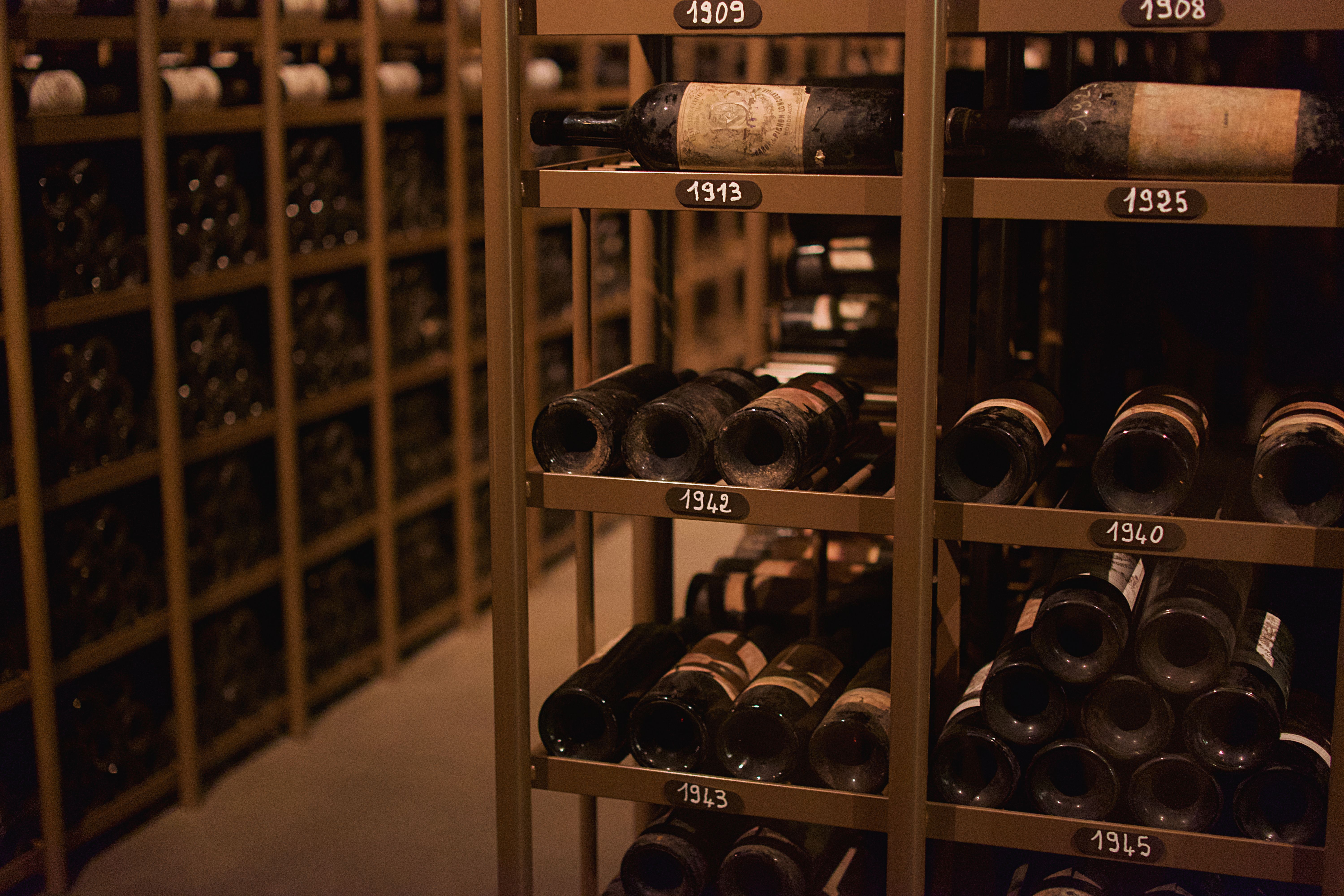
Embark on an unforgettable journey through time with winemystiques.com's definitive guide to the best historical wine tours and ancient vineyard experiences of 2026. Discover Roman viticulture, medieval monastic wines, and forgotten grape varieties. Compare luxury wine history packages, book exclusive historical tastings, and uncover unique wine travel destinations that offer a true taste of the past. Optimize your wine tourism with our expert recommendations for unparalleled heritage wine adventures.
Introduction to the Topic
In the rapidly evolving world of wine, where innovation often takes center stage, a powerful counter-trend is sweeping across the globe: a profound desire to reconnect with wine's ancient roots. As we navigate 2026, discerning enthusiasts are no longer content with merely tasting a region's current vintage; they yearn to sip from the wellspring of history itself. The demand for immersive historical wine tours, archaeological vineyard visits, and experiences that trace the very origins of viticulture has exploded, transforming wine tourism into a sophisticated journey through time. This isn't just about appreciation; it's about understanding the foundational stories, the forgotten techniques, and the enduring legacy that shaped every bottle we uncork today. Winemystiques.com invites you to explore this captivating trend, offering an unparalleled guide to the most authentic and luxurious historical wine adventures available for booking right now.
Why this surge in historical wine tourism? Beyond the sheer romance of ancient ruins and medieval abbeys, there's a growing recognition that understanding wine's past is crucial for appreciating its present and future. Climate change, evolving palates, and a renewed focus on indigenous varieties all point back to historical precedents. Travelers are seeking more than just a vacation; they want an educational, sensory, and deeply personal connection to the liquid history in their glass. From the cradle of wine in Georgia to the Roman amphorae of Italy and the monastic cellars of France, the world's ancient vineyards are calling. Are you ready to answer?
Backgrounds & Facts
The history of wine is, in many ways, the history of civilization itself. Evidence suggests winemaking began over 8,000 years ago in the South Caucasus region, specifically modern-day Georgia, where clay qvevri vessels still hold a sacred place in winemaking traditions. From there, viticulture spread through the Near East, reaching ancient Egypt, then Greece, and eventually flourishing under the Roman Empire.
The Romans were true pioneers, not only perfecting viticultural techniques and developing complex wine classification systems but also spreading vines across their vast empire. Regions like Bordeaux, Burgundy, Mosel, and the Douro Valley owe their initial viticultural foundations to Roman legions and settlers. Imagine standing in a vineyard in Tuscany, knowing that vines have been cultivated on that very soil for over two millennia!
Following the fall of Rome, it was the Christian monasteries that largely preserved and advanced winemaking through the Dark Ages and medieval period. Monks, requiring wine for religious ceremonies, meticulously cultivated vineyards, documented viticultural practices, and innovated cellar techniques. Many of Europe's most famous Grand Cru vineyards, particularly in Burgundy and the Rhône, were originally established and tended by monastic orders. These historical sites now offer unparalleled opportunities for visitors to literally walk through centuries of winemaking heritage.
Moreover, the rediscovery of ancient grape varieties, often preserved in remote pockets or by dedicated heritage projects, adds another layer to this historical tapestry. Grapes like Verdea from Greece, obscure Roman varietals being revived in Lazio, or forgotten indigenous grapes in Portugal are now being brought back to life, offering a truly unique tasting experience that connects directly to the past. This blend of archaeological discovery, historical preservation, and modern winemaking excellence defines the cutting edge of historical wine tourism in 2026.
Expert Opinion / Analysis
“The shift we're seeing in wine tourism isn't just a trend; it's a paradigm shift towards authenticity and deep narrative,” explains Dr. Elara Vance, a leading oenological historian and consultant for several heritage wine projects. “Travelers in 2026 are highly educated and digitally savvy. They don't just want a pretty vineyard view; they want to understand the geological strata that shaped a Roman amphora of Falernian, or the specific Benedictine rule that dictated vineyard management in medieval Burgundy. They want to touch the ancient stones, smell the history in the cellars, and taste wines made from varieties that might have graced tables millennia ago.”
Dr. Vance emphasizes that this isn't about mere novelty. “There's a serious academic and sensory value to these tours. Modern winemakers are learning from ancient techniques – minimal intervention, natural fermentation in clay vessels like qvevri, even certain pruning methods are being re-evaluated. When you book a tour to a site like the ancient city of Pompeii, and then visit a nearby winery reviving those same Roman varietals, you're not just consuming wine; you're participating in a living historical experiment. This offers immense value, both culturally and economically, driving higher CPM for destinations and deeper engagement for visitors.”
For winemystiques.com, this means curating experiences that blend luxury with genuine historical insight. “Conversion optimization comes naturally when you offer such unique, high-value experiences,” Dr. Vance adds. “People are actively searching for these 'bucket list' historical wine adventures. Providing clear comparisons, booking links, and expert insights makes the decision-making process seamless and irresistible for a purchasing-intent audience.”
💰 Best Options in Comparison (VERY IMPORTANT)
Ready to book your historical wine journey? Here are some of the most sought-after and highly-rated historical wine tour packages and destinations for 2026, designed for the discerning traveler with a purchasing intent.
- The Roman Emperor's Legacy Tour (Lazio, Italy): A luxurious 5-day private tour focusing on ancient Roman viticulture. Visit archaeological sites like Pompeii and ancient Roman villas, followed by exclusive tastings at wineries actively reviving Roman grape varieties (e.g., Falanghina, Greco di Tufo from Campania, or local Lazio heritage grapes). Includes expert-led historical lectures, gourmet meals, and 5-star accommodation.
- Monastic Marvels of Burgundy (France): A 7-day small-group tour exploring the Cistercian and Benedictine monastic influences on Burgundy's Grand Cru vineyards. Walk the Clos de Vougeot, visit ancient abbey cellars, and partake in vertical tastings of Pinot Noir and Chardonnay from historic parcels. Includes boutique hotel stays, private transport, and gastronomic dining.
- Cradle of Wine Expedition (Georgia & Armenia): An adventurous 10-day cultural immersion into the world's oldest winemaking regions. Explore UNESCO World Heritage sites, witness traditional qvevri winemaking, and taste ancient indigenous grape varieties like Saperavi and Rkatsiteli. Includes rustic charm accommodations, local guides, and authentic culinary experiences.
- Douro Valley Ancient Terraces (Portugal): A 4-day bespoke tour focusing on the ancient terraced vineyards of the Douro, a region shaped by Roman and subsequent winemaking traditions. Experience historic Quinta visits, port wine tastings, and explore the unique landscape by river cruise. Luxury accommodation and private transfers are standard.
To help you choose, here’s a comparison table of these premier historical wine experiences:
| Tour Package | Primary Historical Focus | Duration | Price Range (USD, per person) | Luxury Level | Key Inclusions |
|---|---|---|---|---|---|
| The Roman Emperor's Legacy (Italy) | Ancient Roman Viticulture & Revival | 5 Days | $4,500 - $8,000+ | Ultra-Luxury Private | 5-star hotels, private transport, expert historian, exclusive tastings, gourmet meals, archaeological site access. |
| Monastic Marvels of Burgundy (France) | Medieval Monastic Winemaking | 7 Days | $6,000 - $10,000+ | Luxury Small Group | Boutique hotels, private coach, sommelier-led tours, Grand Cru tastings, gastronomic dining, abbey visits. |
| Cradle of Wine Expedition (Georgia & Armenia) | 8,000-Year-Old Winemaking & Qvevri | 10 Days | $3,000 - $5,500+ | Cultural Immersion (Mid-Luxury) | Local accommodations, dedicated guides, qvevri workshops, UNESCO site visits, authentic meals, internal flights. |
| Douro Valley Ancient Terraces (Portugal) | Roman & Traditional Terraced Viticulture | 4 Days | $2,800 - $5,000+ | Bespoke Luxury | 5-star Quintas, private transfers, river cruise, port tastings, gourmet dining. |
Note: Prices are estimates for 2026 and can vary based on seasonality, group size, and specific customizations. We recommend booking well in advance to secure your preferred dates. Click on the tour names above to find direct booking links and customize your historical wine adventure!
Outlook & Trends
The future of historical wine tourism in 2026 and beyond looks incredibly promising and innovative. We predict several key trends:
- Hyper-Niche Historical Tours: Beyond broad categories, expect tours focusing on specific historical figures (e.g., Jefferson's wine legacy in Virginia), specific ancient grape varietals, or even the history of wine tools and technology.
- Virtual Reality & Augmented Reality Integration: Imagine walking through a modern vineyard but seeing Roman laborers tending the vines through AR glasses, or exploring an ancient cellar via VR before your physical visit. Technology will enhance the historical narrative.
- Sustainable Heritage Tourism: A strong emphasis on preserving historical sites and supporting local communities will become paramount. Tours will increasingly highlight eco-friendly practices and the ethical revival of ancient winemaking.
- Expansion to Lesser-Known Regions: While Europe remains a cornerstone, expect more historical wine tours to emerge in regions like the Middle East (e.g., Lebanon's ancient Ksara winery), China, and even parts of the Americas where pre-Columbian or early colonial wine history is being unearthed.
- Educational Partnerships: Universities and archaeological institutes will collaborate more directly with tour operators, offering 'dig and sip' experiences or academic-led excursions that blend hands-on learning with luxury wine experiences.
These trends indicate a deepening commitment to understanding wine's past, ensuring that the legacy of ancient viticulturists and medieval monks continues to inspire and educate new generations of wine lovers.
Conclusion
The allure of historical wine tours is more potent than ever in 2026, offering a unique blend of luxury, education, and profound connection to the past. These aren't just vacations; they are immersive journeys that allow you to taste history, walk through ancient vineyards, and gain an unparalleled appreciation for the liquid legacy of civilizations. Whether you dream of tracing Roman footsteps in Italy, exploring monastic traditions in Burgundy, or venturing to the very cradle of wine in Georgia, there's a meticulously crafted historical wine experience waiting for you.
Winemystiques.com is your premier guide to unlocking these extraordinary adventures. Don't just read about history; taste it. Book your unforgettable historical wine tour today and elevate your understanding and enjoyment of wine to an entirely new level. The past is calling – answer with a glass in hand!