
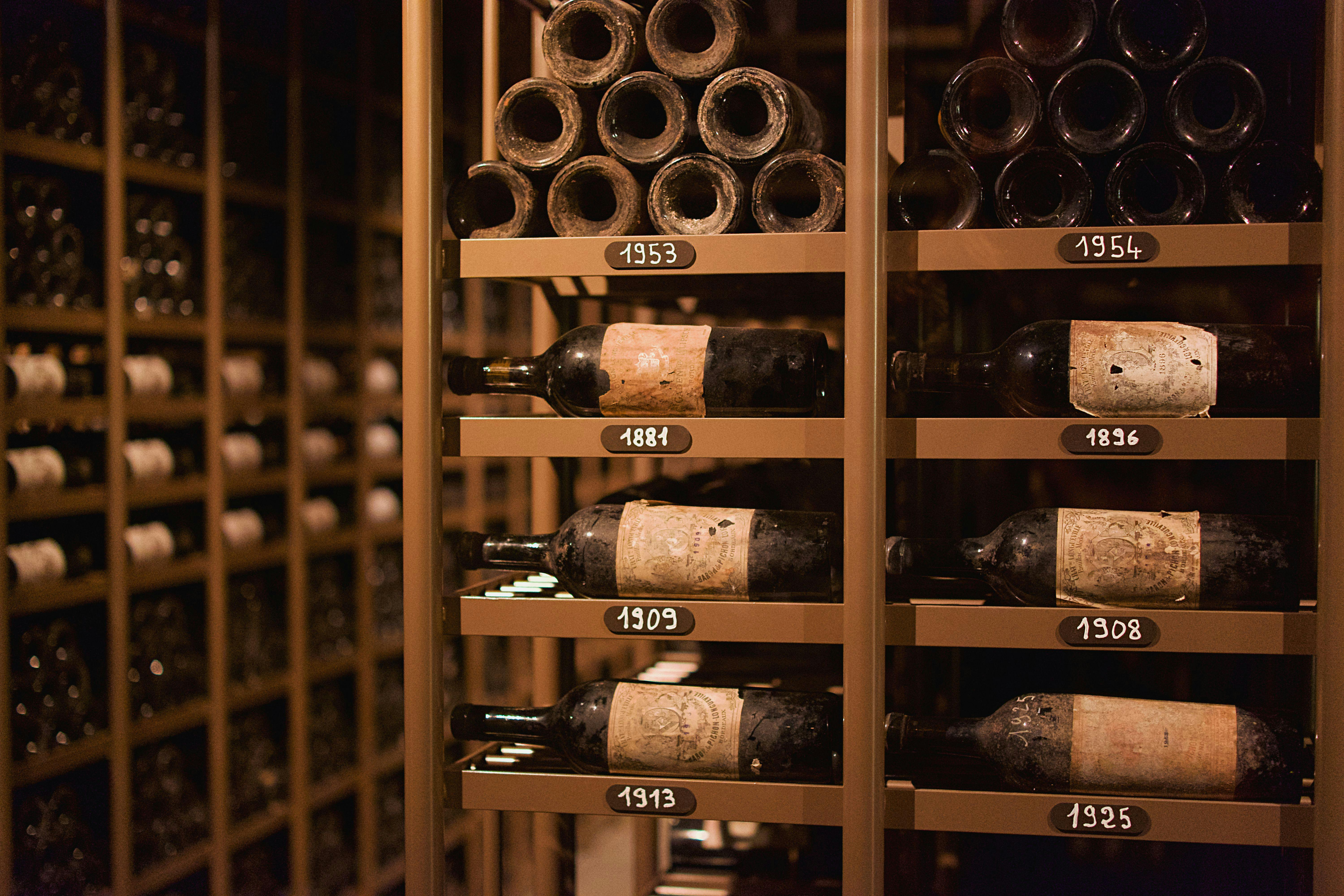
In 2026, the wine world is looking to the past. Discover how ancient winemaking techniques, from Georgian Qvevri to Roman amphorae, and the revival of forgotten grape varietals are creating unique, sought-after wines. Learn where to find these historical treasures, invest in rare bottles, and experience the future of wine through its vibrant past.
Introduction to the Topic
For centuries, the trajectory of winemaking seemed clear: innovation, efficiency, standardization. Yet, as we navigate 2026, a profound shift is underway, one that paradoxically looks backward to propel wine culture forward. The global wine community is experiencing a renaissance of ancient winemaking techniques and the rediscovery of long-forgotten grape varietals. This isn't merely a nostalgic trend; it's a vibrant movement driven by a desire for authenticity, sustainability, unique sensory experiences, and a deeper connection to wine's rich, millennia-old heritage. From the sun-drenched vineyards of Georgia to the volcanic soils of Italy, winemakers are unearthing traditions, tools, and grapes once thought lost to time, offering consumers an unparalleled opportunity to taste history in every glass. Join winemystiques.com as we delve into this captivating revolution, guiding you through the historical currents shaping today’s most exciting and investment-worthy wines.
Backgrounds & Facts
The journey back in time for winemaking is multifaceted, touching upon both methodology and material. At its heart lies a re-evaluation of how wine was made before modern technology, and a renewed appreciation for the raw genetic diversity that once thrived in vineyards globally.
The Return of Earthy Vessels: Qvevri and Amphorae
Perhaps the most visually striking aspect of this ancient revival is the resurgence of terracotta vessels. For thousands of years, clay pots were the primary fermenting and aging containers for wine. In 2026, these vessels are no longer historical curiosities but vital tools in the arsenals of avant-garde winemakers.
- Qvevri (Georgia): Hailing from the birthplace of wine, Georgia, the Qvevri tradition dates back 8,000 years. These large, beeswax-lined earthenware vessels are buried underground, allowing for natural temperature regulation. Grapes, often including their skins, stems, and pips, are crushed and left to ferment and age in the Qvevri for months, or even years. This extended skin contact, particularly with white grapes, produces distinctive 'amber' or 'orange' wines – rich in tannins, complex aromatics, and a unique textural profile. The UNESCO recognition of Qvevri winemaking as an Intangible Cultural Heritage of Humanity has only fueled its global adoption.
- Amphorae and Dolia (Mediterranean Revival): Inspired by ancient Greek and Roman practices, modern winemakers are increasingly using above-ground terracotta amphorae or larger Roman dolia. These vessels, unlike oak barrels or stainless steel tanks, allow for micro-oxygenation without imparting any flavor. This porosity helps soften tannins, develop complex aromas, and create wines with remarkable purity and an unadulterated expression of terroir. Winemakers in Italy (especially Tuscany, Sicily, and the Dolomites), Spain, Portugal, and even California are experimenting with these techniques, producing wines that are both ancient in spirit and cutting-edge in their appeal.
Unearthing Genetic Treasures: Forgotten Grape Varietals
Beyond the vessels, the very DNA of wine is being re-examined. For centuries, a handful of international grape varietals – Cabernet Sauvignon, Merlot, Chardonnay, Pinot Noir – dominated vineyards worldwide. This monoculture, while offering familiarity, also led to a drastic reduction in biodiversity and a loss of unique flavor profiles.
In 2026, the tide has turned. Winemakers and viticulturists are actively seeking out and rehabilitating indigenous grape varietals that were once on the brink of extinction. These 'heritage grapes' often possess inherent resilience to local climates and diseases, offering sustainable solutions in an era of climate change, and delivering unparalleled sensory experiences.
- Greek Indigenous Grapes: Greece, with its millennia-old winemaking history, is a hotbed for this revival. While Assyrtiko has gained international fame, lesser-known gems like Vidiano, Dafni, Plyto, and Thrapsathiri on Crete, or Limniona in Thessaly, are being cultivated anew, offering aromatic, mineral-driven, and highly distinctive wines.
- Italian Heirlooms: Italy boasts hundreds of indigenous varietals, many of which were sidelined post-WWII for easier-to-grow, higher-yielding grapes. Today, grapes like Pecorino (Central Italy), Coda di Volpe (Campania), and Susumaniello (Puglia) are experiencing a vibrant comeback, showcasing regional identity and incredible complexity.
- Iberian Peninsula's Gems: Spain and Portugal are rich in unique grapes. Beyond Tempranillo and Touriga Nacional, varietals like Godello, Mencía, Loureiro, and Rufete are being celebrated for their distinct character, often thriving in challenging, ancient vineyard sites.
The driving forces behind this renaissance are clear: a quest for authenticity, a desire to express true terroir without intervention, and a growing consumer demand for unique, story-rich wines. It's a movement that connects us directly to the origins of wine, offering a taste of history with every pour.
Expert Opinion / Analysis
“This isn't just about recreating the past; it's about understanding wine's evolutionary journey and applying that wisdom to modern challenges,” observes Dr. Elara Vance, a leading viticultural historian and sommelier based out of Bordeaux and Napa, who consults with wineries globally on historical techniques. “Ancient techniques, especially terracotta fermentation, offer a unique micro-oxygenation profile, lending wines a remarkable texture and longevity distinct from oak or steel. This gentle, consistent exchange with oxygen allows the wine to develop complexity and stability without the overt aromatics of wood. The result is often a wine of profound purity and structure, capable of aging gracefully for decades.”
Dr. Vance continues, “And the forgotten varietals? They are genetic goldmines. Often more resilient to disease and climate shifts than their international counterparts, they offer an incredible spectrum of flavors we thought were lost. This biodiversity is crucial for the future of viticulture, providing a natural defense against the unpredictability of climate change. For consumers, it means an expanded palate, moving beyond the familiar to discover wines that are truly singular – savory, earthy, mineral-driven, and often possessing a vibrant acidity that makes them incredibly food-friendly.”
The challenges, she notes, lie in education and scale. “These wines often defy conventional tasting notes. They require an open mind and a willingness to explore. Yields can be lower, and the labor more intensive, which contributes to their niche appeal and often higher price point. However, the reward is an unparalleled connection to history and a truly unique sensory adventure.” This shift represents a philosophical pivot in winemaking, prioritizing heritage and natural expression over industrial efficiency.
💰 Best Options in Comparison
For the discerning wine enthusiast or investor looking to explore this exciting frontier, 2026 offers an abundance of opportunities to taste, acquire, and experience these historical treasures. Here are some of the best ways to engage with ancient wines and forgotten varietals:
-
Option 1: The Qvevri Immersion – Direct from the Source
For an authentic experience, look no further than Georgian Qvevri wines. Wineries like Pheasant's Tears and Orgo Wines offer exceptional examples of traditional amber wines, often made from indigenous grapes like Rkatsiteli and Saperavi. For those seeking accessible entry points, larger producers like Tbilvino also produce excellent Qvevri-aged selections. For the ultimate experience, consider a dedicated wine tour to the Kakheti region of Georgia, where you can visit ancient cellars, participate in traditional supra (feasts), and even witness Qvevri winemaking firsthand. Online retailers specializing in Eastern European wines or natural wine merchants are your best bet for purchasing these unique bottles.
-
Option 2: Amphora & Terroir Purity – European Pioneers
Many of Europe's most respected natural and biodynamic winemakers have embraced amphorae. Iconic names include Elisabetta Foradori from the Dolomites (Teroldego, Nosiola, Manzoni Bianco), COS from Sicily (Frappato, Nero d'Avola, Grecanico), and the legendary Josko Gravner on the Italian-Slovenian border, who pioneered the modern use of Qvevri/amphorae for white wines. In Spain, producers like Bodegas Ponce (Manchuela) are crafting exquisite amphora-aged wines from local varietals. These wines are highly sought after by fine dining restaurants and specialist wine shops globally. Investing in these bottles often promises significant returns due to their limited production and growing collector interest.
-
Option 3: Forgotten Grape Explorers – Diverse Discoveries
To truly delve into the world of heritage grapes, seek out producers dedicated to reviving specific varietals. On Crete, Domaine Lyrarakis is a benchmark for grapes like Vidiano, Dafni, and Plyto. In Campania, Italy, wineries like Cantina Giardino champion ancient expressions of Fiano and Greco. For Spanish indigenous grapes, look to innovative producers like Envínate, who work across diverse regions like the Canary Islands and Ribeira Sacra. Consider joining a wine club specifically curated for natural, biodynamic, or indigenous varietal wines to discover new favorites regularly. Regional wine tours focused on lesser-known appellations in Greece, Southern Italy, or Portugal also offer fantastic opportunities to taste and purchase directly.
To help you navigate these exciting options, here's a comparison of key characteristics:
| Feature | Qvevri Wines (e.g., Georgian Amber) | Amphora Wines (e.g., Italian Terroir) | Forgotten Varietal Wines (e.g., Greek Indigenous) |
|---|---|---|---|
| Key Technique | Buried clay vessels, extended skin contact | Terracotta vessels (above ground), micro-oxygenation | Unique grape genetics, diverse techniques (often minimal intervention) |
| Typical Flavors | Tannic, nutty, dried apricot, spice, earthy | Earthy, mineral, savory, elegant fruit, subtle spice | Aromatic, floral, herbal, high acidity, often saline/mineral |
| Texture/Body | Full-bodied, grippy, textural, often cloudy | Medium to full, smooth, persistent, clean | Light to medium, crisp, vibrant, often lean |
| Price Range (2026) | $40 - $150+ | $35 - $200+ | $25 - $100+ |
| Best Food Pairings | Rich stews, aged cheeses, spiced poultry, hearty vegetarian dishes | Roasted vegetables, grilled fish, cured meats, pasta with light sauces | |
| Investment Potential | High (rarity, historical significance, growing demand) | Medium-High (growing demand, critical acclaim) | Medium (discovery potential, regional gems) |
| Where to Buy/Experience | Specialist wine shops, Georgian wine tours, online retailers | Natural wine bars, fine dining, online specialists, direct from wineries | Wine clubs, regional tours (Greece, Italy), online merchants, small importers |
Outlook & Trends
The trajectory for ancient wines and forgotten varietals in 2026 and beyond looks incredibly promising. What began as a niche movement among natural wine enthusiasts is steadily gaining mainstream appeal. We can expect to see:
- Increased Adoption: More wineries globally, including those in the New World (e.g., Australia, South Africa, South America), will experiment with terracotta fermentation and indigenous grape revival, adapting these ancient methods to their unique terroirs.
- Further Research and Preservation: Academic institutions and viticultural research centers will continue to identify and preserve endangered grape varietals, unlocking their genetic potential for disease resistance and climate adaptability.
- Enhanced Wine Tourism: As consumers seek more authentic and immersive experiences, wine tourism focused on historical winemaking regions and ancient techniques will flourish. Imagine tours dedicated to exploring Georgian Qvevri cellars or Roman amphora sites, culminating in tastings of historically accurate wines.
- Investment Growth: The rarity, unique character, and compelling narratives behind these wines will continue to attract collectors and investors, potentially driving up their value in the secondary market. Early acquisition of promising producers and varietals could yield significant returns.
- Culinary Integration: Fine dining establishments are already embracing these wines for their unique food-pairing capabilities. Expect to see more sommeliers curating lists that highlight the versatility and depth of ancient-style wines, moving beyond traditional pairings.
This trend is not a fleeting fad but a fundamental re-evaluation of wine's identity, sustainability, and its connection to the earth and human history. It’s a movement towards greater authenticity and diversity, ensuring a richer and more resilient future for wine.
Conclusion
In 2026, the wine world is richer, more diverse, and profoundly more exciting thanks to the resurgence of ancient winemaking techniques and the rediscovery of forgotten grape varietals. This isn't just about drinking wine; it's about experiencing history, supporting sustainable practices, and investing in a future where authenticity and terroir expression reign supreme. Whether you're a seasoned collector, an adventurous enthusiast, or simply curious to expand your palate, the world of ancient wines offers unparalleled opportunities for discovery, enjoyment, and even lucrative investment. Explore, taste, and allow these liquid echoes of the past to revolutionize your understanding of wine's enduring mystique. Visit winemystiques.com for more curated recommendations and historical insights.