
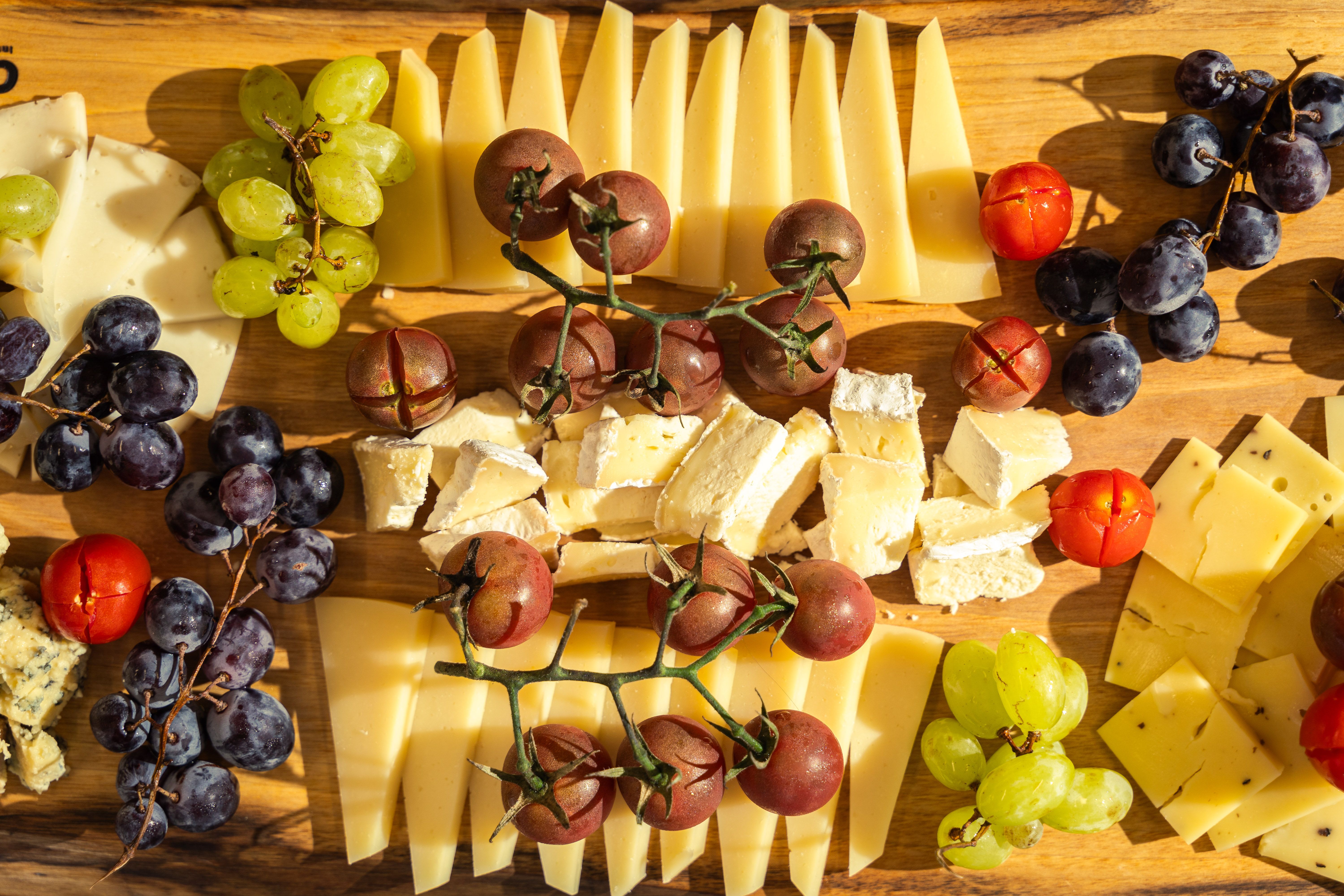
As the world embraces healthier, more ethical, and planet-friendly choices, the art of wine pairing has undergone a delicious revolution. Discover the ultimate 2026 guide to plant-based wine pairings, explore top vegan wine clubs, sustainable dining experiences, and cutting-edge AI sommelier tools designed for the conscious connoisseur. Elevate your culinary journey with eco-friendly sips and plant-forward plates, optimizing for taste, health, and global impact.
Introduction to the Topic
Welcome to 2026, where the dining landscape has been irrevocably transformed by a global shift towards plant-based cuisine and sustainable living. What was once a niche lifestyle has blossomed into a mainstream movement, driven by health consciousness, environmental urgency, and ethical considerations. For the discerning palate, this evolution presents an exciting new frontier in the age-old art of food and wine pairing. No longer confined to traditional meat and cheese paradigms, the modern sommelier and home enthusiast alike are exploring the vibrant, complex, and often surprising harmonies between exquisite wines and innovative plant-forward dishes. This isn't just about finding a 'vegan wine' – it's about mastering a sophisticated culinary language that speaks to texture, umami, acidity, and aromatic profiles in a whole new light. Winemystiques.com is at the forefront of this revolution, guiding you through the best practices, emerging trends, and essential resources to navigate the thrilling world of plant-based wine pairings, ensuring every sip and bite is a step towards a more sustainable and delicious future.
Backgrounds & Facts
The journey to plant-based wine pairing begins with understanding what makes a wine 'vegan' or 'non-vegan'. Traditionally, many wines utilize animal-derived products, known as fining agents, during the clarification process. These agents – such as casein (milk protein), albumin (egg whites), gelatin (animal protein), and isinglass (fish bladder protein) – are used to remove suspended particles, tannins, and cloudy proteins, making the wine clear and stable. While these agents are typically filtered out before bottling, trace amounts can remain, rendering the wine unsuitable for strict vegans. However, the industry has responded robustly. By 2026, a significant percentage of wineries globally have adopted alternative fining methods, utilizing bentonite clay, activated charcoal, pea protein, or simply allowing gravity and time to clarify the wine naturally. Many also proudly display 'vegan-friendly' or 'certified vegan' labels, making it easier than ever for consumers to make informed choices.
The surge in demand for vegan and sustainable options isn't just a fleeting trend. Global market reports indicate that the plant-based food industry is projected to exceed $100 billion by the end of the decade, with consumer interest in ethical sourcing and environmental impact at an all-time high. This directly impacts the wine sector, pushing producers towards organic, biodynamic, and sustainably farmed practices, not just for their grapes but for their entire operational footprint. Consumers are increasingly seeking out wines that are not only vegan but also produced with minimal intervention, respect for biodiversity, and fair labor practices. This holistic approach to conscious consumption is reshaping supply chains and fostering innovation from vineyard to table, making 'sustainable' and 'plant-based' the new benchmarks for quality and desirability in the wine world.
Expert Opinion / Analysis
We sat down with Dr. Elara Vance, a leading sommelier and sustainable dining consultant at the cutting-edge 'Verdant Cellar' restaurant in Napa Valley, to demystify the art of plant-based wine pairing. "The beauty of plant-based pairing lies in its versatility," Dr. Vance explains. "Without the dominant flavors of meat, you're free to explore the nuanced textures and aromatic complexities of vegetables, grains, and legumes. It's about building bridges, not just matching."
Dr. Vance emphasizes a few key principles:
- Umami Power: Plant-based dishes are rich in umami, especially those featuring mushrooms, aged cheeses (vegan or dairy-free), roasted tomatoes, or fermented ingredients. These pair beautifully with earthy, savory wines like an aged Pinot Noir, a Nebbiolo, or even a robust natural orange wine. For a rich mushroom risotto, a Barolo offers an exquisite counterpoint.
- Acidity is Key: Many plant-based dishes, particularly those with fresh herbs, citrus, or vinegar-based dressings, benefit from wines with bright acidity. Think a crisp Sauvignon Blanc with a vibrant kale salad, or a Vermentino with grilled asparagus. The acidity in the wine cleanses the palate and highlights the freshness of the dish.
- Textural Harmony: Consider the texture of your food. Creamy cashew-based pasta sauces or rich lentil stews call for wines with a fuller body or creamy texture, like a oaked Chardonnay or a Viognier. Crispy fried tofu or tempura vegetables, on the other hand, sing with a sparkling wine – a Cava or Franciacorta cuts through the richness and adds a celebratory note.
- Spice & Aromatic Whites: For spicy Asian-inspired plant-based dishes – think a vibrant Thai green curry with tofu – aromatic whites like a Gewürztraminer or Riesling (off-dry) are unparalleled. Their inherent sweetness and floral notes temper the heat and complement the exotic spices.
- Roasting & Earth Tones: Roasted root vegetables, caramelized onions, or smoky eggplant dishes find their match in wines with earthy undertones and a touch of fruit, such as a Grenache or a medium-bodied Syrah.
"Don't be afraid to experiment," Dr. Vance advises. "The rules are meant to be a starting point. The most exciting pairings are often discovered through playful exploration. And always remember to check for vegan certification – it's easier than ever to find incredible wines that align with your values."
💰 Best Options in Comparison (VERY IMPORTANT)
Navigating the burgeoning market of vegan wines and sustainable dining experiences can be overwhelming. To help you make informed choices and maximize your enjoyment, we've curated a selection of the best options available in 2026, catering to various preferences and budgets. Whether you're looking to stock your cellar with ethical sips, book an unforgettable plant-based culinary journey, or simply find the perfect bottle for tonight's dinner, these resources are invaluable.
- The Green Vine Club: A premier subscription service curating monthly selections of certified vegan, organic, and biodynamic wines from small, ethical producers worldwide. Each box includes detailed tasting notes, pairing suggestions, and winemaker stories. Perfect for discovery and supporting sustainable viticulture.
- Root & Sip Meals: An upscale meal kit delivery service specializing in gourmet plant-based dinners, each meticulously designed with a recommended vegan wine pairing from their exclusive cellar. Offers chef-designed recipes and pre-portioned, sustainably sourced ingredients delivered weekly. Ideal for busy gourmands seeking a restaurant-quality experience at home.
- AI Sommelier Pro (App): The leading AI-powered mobile application that analyzes your dietary preferences, meal ingredients, and personal taste profile to recommend the perfect vegan wine pairing. Utilizes a vast database of certified vegan wines and offers direct purchasing links to online retailers. A must-have for tech-savvy foodies and those looking for instant, personalized guidance.
- Ethical Cellar Direct: An online marketplace connecting consumers directly with small, independent wineries committed to vegan and sustainable practices. Offers a wide range of unique, often exclusive, bottles that might not be available through traditional channels, often at competitive prices due to direct-to-consumer sales. Excellent for value-driven connoisseurs and those who love to support artisan producers.
To further assist your choices, here's a comparison table highlighting key features:
| Service Name | Key Focus / Feature | Price Range (Monthly/Per Kit) | Ideal For |
|---|---|---|---|
| The Green Vine Club | Curated vegan, organic, biodynamic wine subscriptions | $$ (from $60) | Eco-conscious explorers, regular wine drinkers |
| Root & Sip Meals | Gourmet plant-based meal kits with wine pairings | $$ (from $120) | Busy gourmands, special occasions, culinary learning |
| AI Sommelier Pro (App) | Personalized AI-driven vegan wine pairing recommendations | $ (Free with premium features $5/month) | Tech-savvy foodies, instant guidance, budget-conscious |
| Ethical Cellar Direct | Direct-from-winery marketplace for sustainable wines | $ (varies by bottle) | Value-driven connoisseurs, supporting small producers |
Outlook & Trends
The future of plant-based wine pairings and sustainable dining is incredibly dynamic and promising. By 2026, we are witnessing a deeper integration of technology and ethical practices. AI-powered sommelier applications will become even more sophisticated, not only suggesting pairings but also tracking your preferences, sourcing wines with full blockchain-verified provenance, and even predicting your next favorite sustainable varietal. Virtual reality and augmented reality experiences will allow consumers to 'visit' vineyards and farms, understanding the sustainable journey of their food and wine from grape to glass, fostering a deeper connection and trust.
We'll also see a greater emphasis on hyper-local and regenerative agriculture. Wineries will increasingly partner with local plant-based farms that practice regenerative farming, creating truly symbiotic food and wine ecosystems. This trend will lead to more regional specificity in pairings, celebrating the unique terroir of both the wine and the produce. Expect 'zero-waste' dining concepts to become the norm, with innovative chefs crafting menus that minimize environmental impact while maximizing flavor. Furthermore, the development of new plant-based ingredients and fermentation techniques will continue to expand the flavor spectrum, offering even more exciting challenges and opportunities for wine pairing. The conscious consumer of 2026 isn't just looking for good taste; they're looking for good impact, and the industry is rising to meet that demand with passion and innovation.
Conclusion
The landscape of food and wine pairing in 2026 is richer, more diverse, and more ethically conscious than ever before. The rise of plant-based cuisine, coupled with a growing commitment to sustainability, has not diminished the joy of pairing but rather amplified it, opening doors to a universe of new flavors and experiences. From understanding what makes a wine vegan to experimenting with bold plant-forward dishes, the journey is one of continuous discovery. Embrace the expert advice, leverage the innovative tools and services available, and explore the incredible range of sustainable and vegan wines on offer. Your palate, your health, and the planet will thank you. Here's to uncorking a future where every sip and every bite is a testament to conscious indulgence and culinary excellence.