
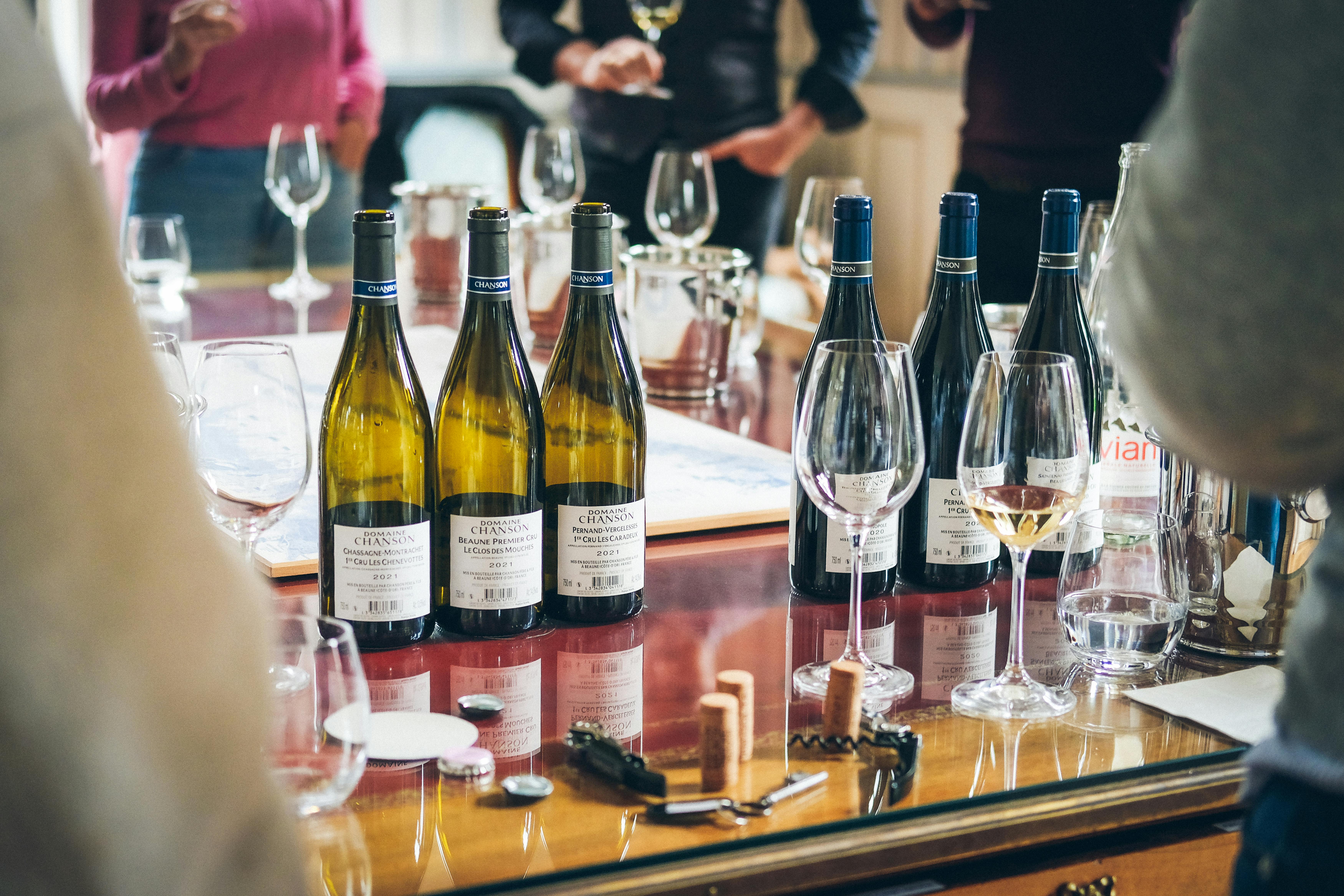
In 2026, the world of wine is undergoing a profound transformation. Discover the best sustainable and regenerative wines that not only tantalize your taste buds but also champion environmental stewardship. This definitive guide helps conscious consumers find premium, eco-friendly vintages, offering unparalleled taste, smart investment opportunities, and a clear conscience in a rapidly evolving market. Explore top picks, compare leading producers, and learn why your next bottle should be a sustainable one.
Introduction to the Topic
Welcome to 2026, a year where the discerning wine lover seeks more than just exquisite taste; they demand a story, a philosophy, and a commitment to our planet. The global wine industry is at a pivotal juncture, moving beyond basic organic certifications towards a more holistic and impactful approach: sustainable and, increasingly, regenerative viticulture. This isn't merely a fleeting trend; it's the new benchmark for quality, authenticity, and ethical consumption, driven by both consumer demand and the undeniable realities of climate change.
For decades, winemaking has been an art form, a dance between nature and human ingenuity. But in an era defined by environmental consciousness, the focus has shifted dramatically towards practices that not only preserve but actively enhance the ecosystem of the vineyard. Regenerative viticulture, in particular, has emerged as the gold standard, promising not just a lighter footprint but a positive handprint on the earth. It's about rebuilding soil health, fostering biodiversity, improving water cycles, and ultimately, producing wines that are a truer, more vibrant expression of their terroir – wines that taste better because they're grown better.
At Winemystiques.com, we believe that informed choices lead to richer experiences. This comprehensive guide will navigate the exciting landscape of sustainable and regenerative wines, highlighting why these practices matter, what to look for, and most importantly, which exceptional bottles you should be uncorking in 2026. Prepare to discover wines that offer not just sensory delight, but also the profound satisfaction of supporting a more sustainable future.
Backgrounds & Facts
To truly appreciate the significance of sustainable and regenerative wines, it's crucial to understand the foundational principles that set them apart. While terms like 'organic' and 'biodynamic' have been part of the wine lexicon for years, sustainable and regenerative viticulture represent an evolution, a broader and deeper commitment to environmental stewardship.
Defining the Practices:
-
Sustainable Viticulture: At its core, sustainable winemaking aims to meet the needs of the present without compromising the ability of future generations to meet their own needs. This encompasses a wide range of practices, including:
- Minimizing chemical inputs (pesticides, herbicides, synthetic fertilizers).
- Efficient water management and conservation.
- Protecting biodiversity within and around the vineyard.
- Reducing energy consumption and carbon emissions.
- Promoting fair labor practices and community engagement.
Many regional and national certifications (e.g., Lodi Rules, SIP Certified, Sustainable Winegrowing New Zealand) exist to verify these commitments, providing consumers with trusted benchmarks.
-
Regenerative Viticulture: This is the frontier, moving beyond merely 'sustaining' to actively 'regenerating' the ecosystem. Regenerative practices are designed to reverse environmental degradation and build ecological resilience. Key tenets include:
- Soil Health Focus: Prioritizing practices that build organic matter in the soil, such as cover cropping, no-till farming, and extensive composting. Healthy soil sequesters carbon, improves water retention, and provides essential nutrients naturally.
- Enhanced Biodiversity: Creating habitats for beneficial insects, birds, and other wildlife, integrating agroforestry, and promoting a diverse range of plant species beyond just grapevines.
- Closed-Loop Systems: Minimizing waste by reusing and recycling resources, often incorporating livestock (e.g., sheep for grazing and fertilization) into the vineyard ecosystem.
- Carbon Sequestration: Actively drawing carbon dioxide from the atmosphere and storing it in the soil, making vineyards potential carbon sinks.
While still emerging, regenerative certifications like the Regenerative Organic Certified (ROC) are gaining traction, providing rigorous standards for environmental and social responsibility.
Why It Matters in 2026:
The urgency of climate change, combined with an increasingly educated consumer base, has propelled these practices into the mainstream. Wineries adopting regenerative methods report not only healthier vineyards and greater resilience to extreme weather events but also more complex, terroir-driven wines. The emphasis on soil health, in particular, leads to vines that are better nourished and less stressed, producing grapes with more concentrated flavors and balanced acidity. This results in wines that are not just environmentally sound but also inherently superior in quality and expressiveness.
Expert Opinion / Analysis
The shift towards sustainable and regenerative viticulture isn't just a marketing ploy; it's a fundamental re-evaluation of how wine is made, championed by leading voices in the industry. We spoke with Dr. Elara Vance, a distinguished viticultural scientist and lead researcher at the Global Wine Institute for Sustainability, about the profound implications of this movement.
"Regenerative viticulture isn't merely about 'doing less harm'; it's about 'doing more good,'" Dr. Vance explains. "For too long, conventional agriculture has depleted our soils and ecosystems. Regenerative practices are about healing that damage, creating vibrant, self-sustaining environments where grapevines can truly thrive. In 2026, we're seeing undeniable scientific evidence that these practices lead to healthier vines, more robust yields, and critically, wines with a depth of character and purity of expression that is simply unmatched."
Dr. Vance emphasizes that consumers are becoming increasingly sophisticated, looking beyond brand names to understand the provenance and philosophy behind their purchases. "Today's wine enthusiast, especially the younger demographic, is a 'conscious consumer.' They are willing to invest more in a bottle that aligns with their values – ethical labor, environmental protection, and genuine quality. This creates a powerful economic incentive for wineries to transition, ensuring their long-term viability and market relevance."
From an investment perspective, wines from certified regenerative vineyards are also gaining significant traction. "As climate change continues to impact traditional growing regions, vineyards employing regenerative practices will demonstrate greater resilience," notes financial analyst Marcus Thorne, specializing in luxury goods. "This resilience translates into more consistent quality and supply, making these wines a more stable and potentially lucrative investment for collectors. The 'green premium' is real, and it's growing."
The expert consensus is clear: regenerative viticulture is not just the future of winemaking; it's the present, delivering tangible benefits to the environment, the quality of the wine, and the savvy consumer's portfolio. The challenge now lies in broader adoption and clear communication of these complex practices to a global audience, ensuring that every sip tells a story of stewardship and excellence.
💰 Best Options in Comparison (VERY IMPORTANT)
As the market for sustainable and regenerative wines flourishes in 2026, distinguishing truly exemplary producers becomes paramount. Here are four pioneering wineries that embody the spirit of environmental stewardship while crafting wines of exceptional quality and character. These are not just bottles; they are statements, investments, and delicious examples of viticulture done right.
-
Terra Nova Vineyards - The Carbon Sequestration Pioneer (Napa Valley, CA)
Terra Nova has become synonymous with innovation in Napa. Beyond organic, they've achieved groundbreaking carbon-neutral certification through aggressive soil regeneration, no-till farming, extensive cover cropping, and integrating sheep into their vineyards. Their commitment to sequestering more carbon than they emit sets a new industry standard. Their wines are a testament to how healthy soil translates into profound depth and complexity.
-
Domaine de la Terre Vive - Loire Valley's Biodynamic Heartbeat (Sancerre, France)
A shining example of how ancient traditions can perfectly align with modern ecological thought. Domaine de la Terre Vive is fully Demeter certified biodynamic, but their approach goes further with extensive agroforestry, creating biodiversity corridors, and relying almost entirely on natural pest control. Their Sancerre wines are renowned for their purity, vibrant minerality, and a unique 'living' quality that speaks volumes of their vineyard's health.
-
Andes Altura - Chilean High-Altitude Innovation (Maipo Valley, Chile)
Perched in the foothills of the Andes, Andes Altura champions regenerative practices in a challenging arid environment. They are pioneers in dry farming, extensive water recycling, and integrating native plant species to enhance resilience and biodiversity. Their focus on social equity for their workers, combined with solar-powered operations, makes them a holistic model for sustainability in emerging regions. Their Carmenere offers a powerful, authentic taste of the Chilean terroir.
-
Riverbend Estate - Oregon's Pinot Noir Trailblazer (Willamette Valley, OR)
Riverbend Estate is a beacon of environmental responsibility in the heart of Oregon's Pinot Noir country. Salmon-Safe certified, they've undertaken extensive riparian zone restoration, installed owl boxes for natural rodent control, and implemented gravity-flow winemaking to minimize energy use. Their commitment to fostering a vibrant ecosystem around their vineyards results in elegant, expressive Pinot Noirs that truly reflect the nuanced beauty of the Willamette Valley.
To help you compare these exceptional choices and guide your purchasing decisions, here's a detailed breakdown:
| Winery Name | Region | Key Regenerative Practice | Notable Wine (Vintage) | Price Range (USD) | Why It's a Top Pick |
|---|---|---|---|---|---|
| Terra Nova Vineyards | Napa Valley, CA | Carbon Sequestration, No-Till, Bio-integration | Cabernet Sauvignon "Regenerate" (2023) | $150 - $250+ | Iconic region, pioneering carbon neutrality, premium quality, investment-grade |
| Domaine de la Terre Vive | Sancerre, Loire Valley, France | Certified Biodynamic, Agroforestry, Biodiversity Corridors | Sancerre Blanc "Éclat" (2024) | $40 - $70 | French elegance, deep ecological commitment, exceptional value, vibrant taste |
| Andes Altura | Maipo Valley, Chile | Dry Farming, Water Recycling, Native Plant Integration | Carmenere "Resilience" (2023) | $25 - $45 | Innovative arid viticulture, unique varietal, accessible price, social responsibility |
| Riverbend Estate | Willamette Valley, OR | Salmon-Safe Certified, Riparian Restoration, Gravity-Flow Winery | Pinot Noir "Wild Harmony" (2023) | $60 - $100 | Regional leader, holistic ecosystem focus, exquisite Pinot Noir, eco-tourism potential |
Outlook & Trends
Looking ahead from 2026, the trajectory for sustainable and regenerative viticulture is one of unstoppable growth and innovation. This movement is far from its peak, poised to redefine the global wine landscape for decades to come.
Mainstream Adoption:
Expect more large-scale wineries and even entire wine regions to adopt regenerative practices. The economic benefits – reduced input costs, increased resilience to climate variability, and access to premium markets – are becoming too significant to ignore. Major wine corporations are increasingly investing in research and development to scale these practices across their vast holdings.
Technological Integration:
Technology will play a crucial role in accelerating this shift. AI-powered soil analysis, drone monitoring for precision viticulture, and advanced water management systems will make regenerative practices more efficient and accessible. Blockchain technology is also emerging as a powerful tool for traceability, allowing consumers to verify the sustainable claims of a wine from vineyard to bottle, enhancing transparency and trust.
Consumer Education and Demand:
The discerning consumer of 2026 is increasingly eco-conscious. Educational initiatives, both online and through direct winery experiences, will deepen public understanding of regenerative viticulture. This will fuel even greater demand for ethically produced wines, creating a virtuous cycle that encourages more producers to convert. Look for clearer, more comprehensive labeling that goes beyond basic organic to detail specific regenerative practices.
Wine Tourism and Experiential Learning:
Regenerative vineyards are becoming prime destinations for wine tourism. Visitors are eager not just to taste wine, but to learn about the ecosystem, participate in vineyard activities, and connect with the land. Wineries will offer immersive experiences, from guided tours of their biodiversity zones to workshops on composting and cover cropping, transforming a wine tasting into an educational journey.
Climate Change Resilience:
As extreme weather events become more frequent, regenerative viticulture offers a vital pathway to resilience. Healthy soils, diverse ecosystems, and robust vines are better equipped to withstand droughts, floods, and temperature fluctuations, ensuring the long-term viability of quality wine production in a changing climate. This proactive approach is not just an option; it's becoming a necessity for the industry's survival.
Investment Opportunities:
Beyond individual bottles, investment funds and platforms specializing in sustainable agricultural assets, including regenerative vineyards, are on the rise. These offer opportunities for investors to support environmentally responsible enterprises while potentially yielding strong financial returns as the demand for these wines continues to surge.
The future of wine is green, vibrant, and incredibly exciting. The innovations we see today are merely the beginning of a profound transformation that promises better wines and a healthier planet for generations to come.
Conclusion
As we conclude our journey through the world of sustainable and regenerative wines in 2026, one truth stands clear: the future of exquisite winemaking is inextricably linked to the health of our planet. This isn't just a niche market; it's the paradigm shift the wine industry desperately needs and one that consumers are enthusiastically embracing.
From the carbon-sequestering vineyards of Napa to the biodynamic havens of the Loire, and from the resilient high-altitude estates of Chile to the salmon-safe sanctuaries of Oregon, pioneering wineries are proving that environmental stewardship and exceptional quality are not mutually exclusive. In fact, they are synergistic, producing wines that offer unparalleled depth, purity, and a genuine connection to their terroir.
Choosing a sustainable or regenerative wine is more than just a purchase; it's an investment. It's an investment in superior taste, in the longevity of our planet's ecosystems, and in supporting the visionary producers who are leading this charge. These wines offer a unique opportunity to elevate your palate while simultaneously making a conscious, positive impact on the world around us.
We encourage you to explore the options presented in this guide, seek out wines with reputable certifications, and engage with the stories behind the labels. Make your next wine choice a conscious one – one that not only delights your senses but also contributes to a more sustainable, vibrant future for winemaking and for the Earth. Cheers to a better bottle, and a better world!