
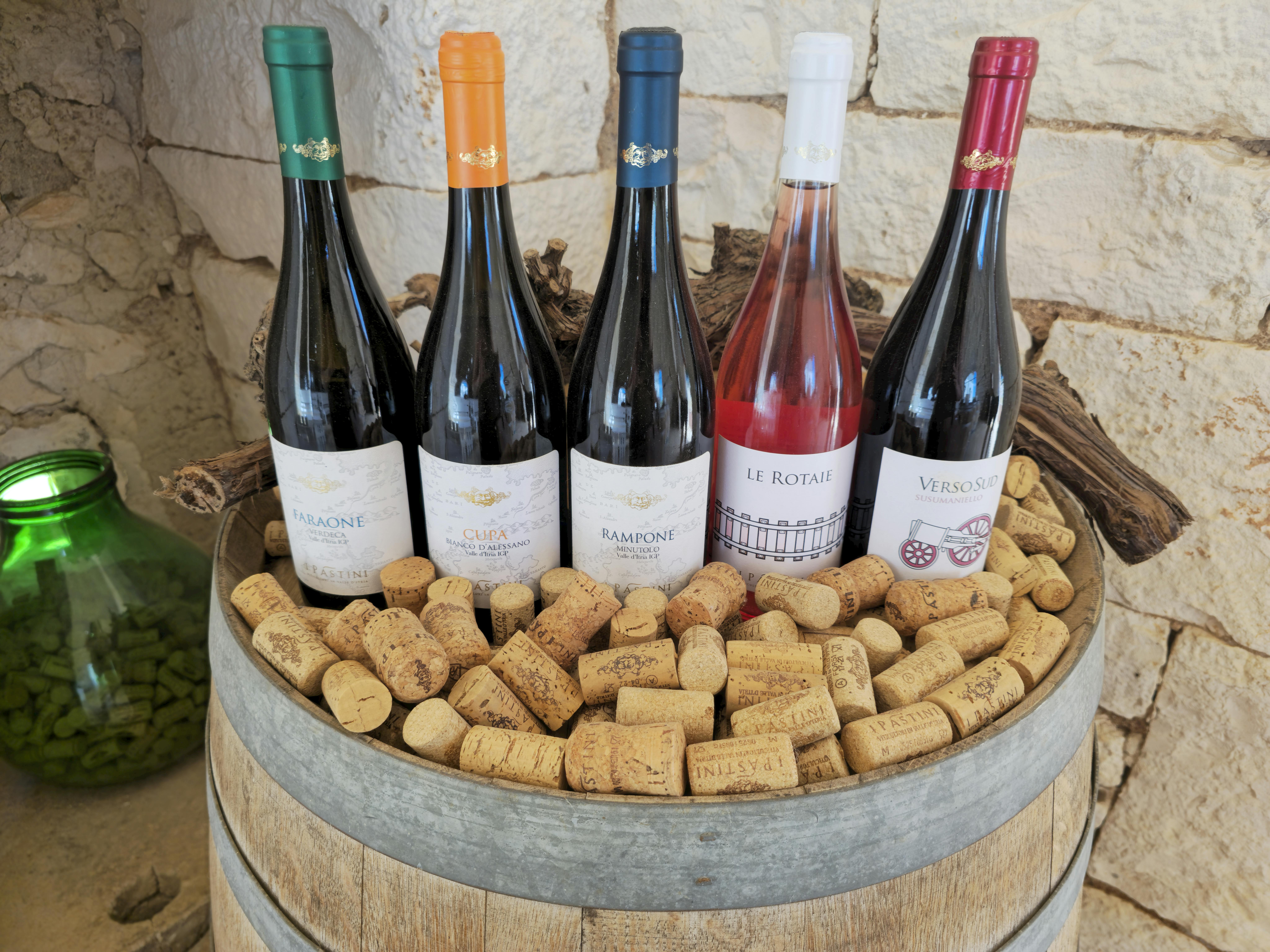
In 2026, wine collecting transcends mere passion, evolving into a sophisticated blend of sustainable practices, cutting-edge technology, and astute investment strategy. Discover how AI-powered cellar management, blockchain provenance, eco-friendly storage, and fractional ownership are revolutionizing the fine wine market, ensuring both value and legacy for discerning collectors.
Introduction to the Topic
Welcome to 2026, a pivotal year for the world of fine wine collecting. The romantic notion of a dusty cellar filled with forgotten treasures is rapidly being replaced by a dynamic, future-proof approach that marries tradition with innovation. Collectors today aren't just seeking exceptional vintages; they're demanding transparency, sustainability, and technological integration that maximizes both enjoyment and financial return. The landscape of wine acquisition, storage, and investment has transformed, driven by advancements in artificial intelligence, blockchain technology, and a global commitment to environmental stewardship. This isn't just about preserving bottles; it's about curating a legacy, protecting an asset, and engaging with a community through smart, informed choices. For the savvy collector, understanding these shifts isn't optional—it's essential for navigating the thriving, yet complex, luxury wine market of tomorrow.
Backgrounds & Facts
The global fine wine market continues its robust expansion in 2026, with analysts projecting consistent annual growth exceeding 8% for the next five years, driven by emerging markets and increasing demand for rare and investment-grade labels. However, this growth comes with new challenges and opportunities. Climate change, a pressing concern for viticulture, has amplified the importance of precise environmental control in storage, making passive cellars increasingly risky. Concurrently, the rise of sophisticated counterfeiting operations has underscored the critical need for verifiable provenance, pushing technologies like blockchain to the forefront. Traditionally, wine collecting was often a private, exclusive pursuit, but the digital age has democratized access, fostering new platforms for fractional ownership and global trading. Data from leading auction houses indicates that wines with impeccable storage records and verifiable digital provenance consistently fetch premium prices, often 15-20% higher than comparable bottles lacking such assurances. Furthermore, a growing segment of collectors, particularly younger generations, are prioritizing sustainability, seeking out wines from eco-conscious producers and demanding carbon-neutral storage solutions. This confluence of market growth, environmental awareness, and technological innovation has reshaped the very definition of a 'smart' wine collection.
Expert Opinion / Analysis
“The days of relying solely on a good memory and a written ledger are long gone,” states Dr. Elara Vance, a leading sommelier and principal analyst at Vintage Insights Group. “In 2026, a truly valuable collection is one that is digitally authenticated, sustainably stored, and intelligently managed. AI-powered cellar management systems are no longer a luxury; they’re a necessity for optimizing aging potential and market value.” Vance highlights that the integration of blockchain technology for provenance tracking has become a non-negotiable standard for high-value transactions. “Collectors are rightly demanding irrefutable proof of a wine’s journey from vineyard to cellar. This transparency builds trust and significantly mitigates the risk of fraud, which has plagued the industry for decades.”
She also emphasizes the critical role of climate control. “With extreme weather events becoming more common, the consistency offered by state-of-the-art, often AI-driven, climate control systems is paramount. Fluctuations in temperature and humidity can irrevocably damage a wine’s delicate balance, eroding its value overnight.” Furthermore, the expert panel at our recent WineMystiques.com summit agreed that sustainable practices—from vineyard to storage—are no longer just a marketing buzzword but a core value for an increasing number of collectors. “Investing in wines from sustainable producers and utilizing eco-friendly storage solutions isn’t just good for the planet; it enhances a collection’s prestige and appeal in a socially conscious market,” adds Vance. The modern collector, she concludes, is not just a connoisseur but also a data scientist, an environmentalist, and a savvy investor, leveraging every tool available to future-proof their passion.
💰 Best Options in Comparison (VERY IMPORTANT)
Navigating the evolving landscape of wine collecting in 2026 requires strategic choices, especially when it comes to safeguarding your investment and optimizing your cellar's potential. Here are some of the leading options available, catering to different needs and investment profiles:
- 1. AI-Powered Smart Home Cellar Systems (e.g., VinVault AI Pro 2026): For the collector who values direct control and cutting-edge integration, these systems offer unparalleled precision. Features include AI-driven climate and humidity control that learns and adapts to external conditions, predictive aging algorithms based on vintage data, real-time inventory management with RFID/NFC tagging, and integrated blockchain provenance verification. Many also offer augmented reality (AR) interfaces for virtual cellar tours and instant bottle information. Ideal for high-net-worth individuals building bespoke, tech-forward home cellars.
- 2. Professional Off-Site Sustainable Storage Facilities (e.g., EcoCellar Solutions Global): These facilities represent the pinnacle of secure, climate-controlled, and environmentally responsible wine storage. They boast carbon-neutral operations, advanced seismic and security protocols, 24/7 monitoring, comprehensive insurance, and expert handling for shipping and receiving. Many now offer integrated digital inventory management and direct blockchain registration services. Perfect for serious investors, those with extensive collections, or individuals seeking peace of mind and professional asset management without the burden of maintaining a home cellar.
- 3. Fractional Wine Investment Platforms (e.g., VintageShares 3.0): These platforms democratize access to ultra-rare and investment-grade wines, allowing multiple individuals to collectively own a share of a high-value bottle or case. They handle sourcing, authentication, professional storage, and eventual sale, providing a lower entry barrier for new investors and diversification opportunities for existing portfolios. Provenance is typically blockchain-secured, and market analytics are often integrated. Best for those looking to invest in fine wine without the commitment of managing physical bottles, or for diversifying an investment portfolio.
- 4. Blockchain Provenance & Authentication Services (e.g., AuthentiVine Ledger & VeriCellar): While not storage solutions themselves, these services are crucial for any serious collector. They provide immutable digital records of a wine's origin, ownership history, and storage conditions, verifiable through blockchain technology. Many integrate with existing cellar management software or professional storage facilities. Essential for ensuring the authenticity and maximizing the resale value of high-value wines, protecting against counterfeits, and providing transparency in transactions.
Comparison of Leading Wine Collecting Solutions (2026)
| Feature | AI-Powered Home Cellar | Off-Site Sustainable Storage | Fractional Investment Platform | Blockchain Provenance Service |
|---|---|---|---|---|
| Cost (Initial/Ongoing) | High (Installation + Energy) | Moderate (Per-bottle/case fee) | Low (Share purchase + platform fees) | Low-Moderate (Per bottle/service fee) |
| Control & Access | Full physical access, digital control | Limited physical access, digital inventory | No physical access, digital ownership | No physical access, digital verification |
| Security & Insurance | Home security dependent, separate insurance | High-level, often included/integrated | High-level (platform managed) | Data security, fraud prevention |
| Sustainability Focus | User's choice of energy/materials | Core offering (carbon-neutral, green tech) | Often prioritizes sustainable wines | Indirect (promotes ethical sourcing) |
| Tech Integration | AI climate, AR, RFID, blockchain | Advanced climate, digital inventory, blockchain | Blockchain, market analytics, trading tools | Core blockchain, API integration |
| Investment Focus | Enhances value through optimal aging | Protects value, facilitates resale | Direct investment, portfolio diversification | Essential for high-value asset verification |
Outlook & Trends
Looking further into the future, the integration of technology and sustainability in wine collecting will only deepen. We anticipate a surge in personalized AI sommeliers that not only manage your cellar but also offer tailored purchasing recommendations based on your palate, investment goals, and even real-time market fluctuations. The concept of the “digital twin” for every bottle, secured by NFTs (Non-Fungible Tokens) on the blockchain, will become commonplace, representing both ownership and a complete, immutable record of provenance and condition. This will streamline secondary market sales, making transactions safer and more efficient than ever before.
Sustainability will evolve beyond carbon neutrality to encompass full circular economy principles, with innovations in bottle recycling, upcycled cellar materials, and even energy-positive storage solutions. Expect to see more community-driven collecting initiatives, where groups of enthusiasts pool resources for shared ownership of ultra-rare allocations, managed through decentralized autonomous organizations (DAOs). Virtual and augmented reality will offer immersive experiences, allowing collectors to virtually tour vineyards, inspect cellar conditions remotely, and even “taste” wines through advanced sensory simulations before purchase. The future of wine collecting promises to be more connected, more transparent, and more rewarding, blurring the lines between physical ownership, digital asset management, and a global community of passionate connoisseurs.
Conclusion
The world of wine collecting in 2026 is a testament to how tradition can harmoniously blend with cutting-edge innovation. From AI-powered home cellars that precisely nurture each bottle to professional off-site facilities committed to carbon neutrality, and from democratizing fractional ownership platforms to indispensable blockchain provenance services, the modern collector has an unprecedented array of tools at their disposal. These advancements not only enhance the enjoyment of a collection but crucially safeguard its value, ensuring authenticity, optimal aging, and a strong return on investment. As the fine wine market continues to grow and evolve, embracing these sustainable and tech-driven solutions is no longer a luxury but a strategic imperative. It's time to future-proof your passion, elevate your collection, and become a part of the next chapter in wine connoisseurship. Explore the options, invest wisely, and let your cellar tell a story of both exquisite taste and forward-thinking stewardship.