
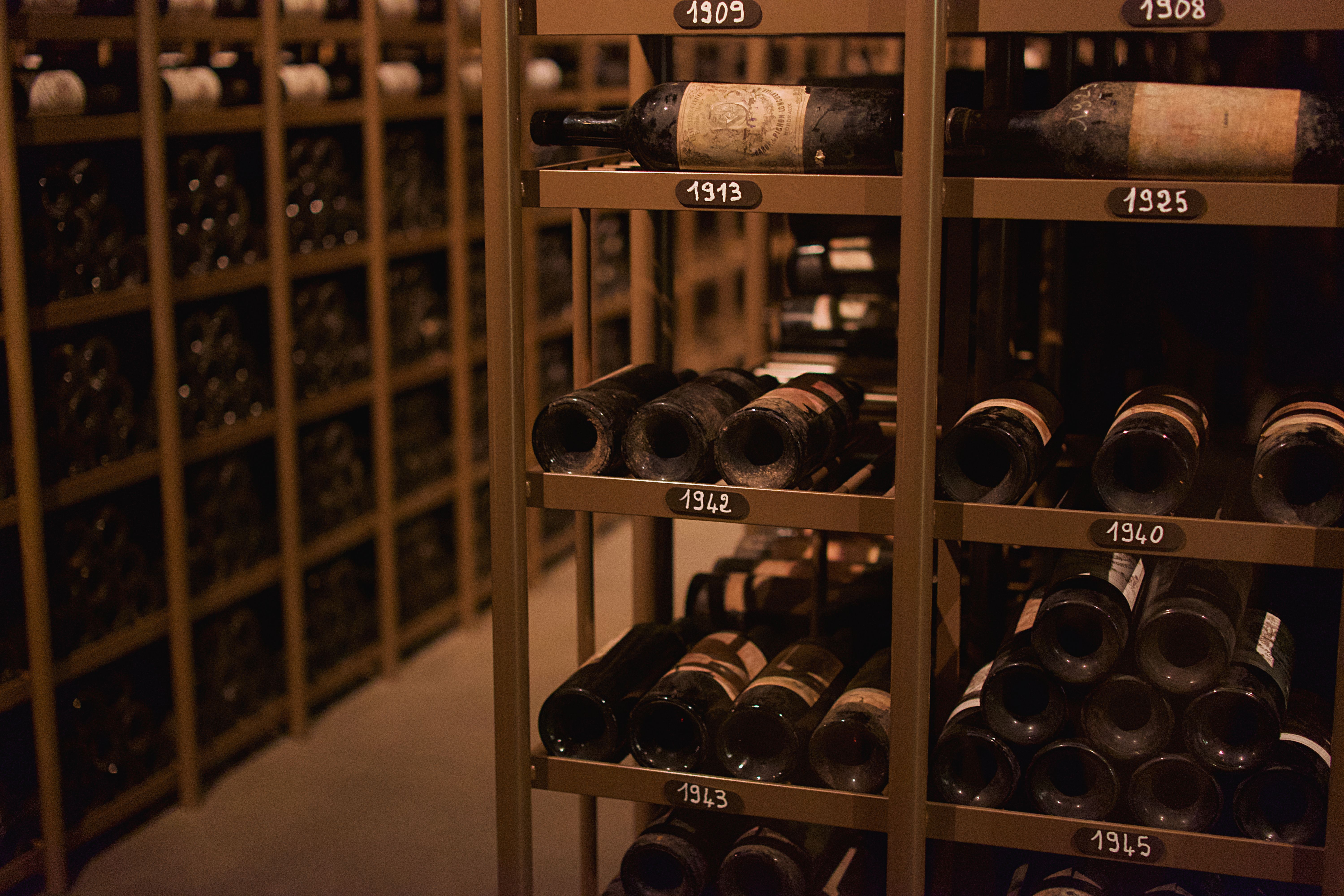
Discover the trending phenomenon of Georgian qvevri wines, an 8,000-year-old winemaking tradition now captivating luxury wine collectors and natural wine enthusiasts worldwide. Explore bespoke wine tours, curated qvevri wine collections, and even authentic amphora for sale, connecting you directly to the cradle of viticulture and its profound impact on 2026's most exciting wine trends.
Introduction to the Topic
In the dynamic world of wine, where innovation often clashes with tradition, a quiet revolution has been simmering for millennia, now boiling over into the mainstream. Welcome to the year 2026, and the undeniable ascendancy of Georgian qvevri wine. For eight thousand years, in the verdant valleys of Georgia – widely recognized as the birthplace of viticulture – winemakers have been crafting liquid history in large, egg-shaped clay vessels called qvevri, buried underground. What was once a local, deeply spiritual practice is now a global sensation, driving trends in luxury wine, natural wine, and unique culinary tourism.
This ancient technique, characterized by extended skin contact and natural fermentation in these subterranean amphorae, is reshaping palates and perceptions. Modern consumers, increasingly seeking authenticity, sustainability, and unique sensory experiences, are flocking to these amber-hued masterpieces. From Michelin-starred restaurants showcasing rare vintages to bespoke travel agencies offering immersive historical tours, qvevri wine isn't just a drink; it's a journey back to wine's very origins, offering unparalleled depth and character. Join us as we uncork the past, present, and future of this remarkable winemaking heritage, and discover how you can experience its magic firsthand.
Backgrounds & Facts
The story of wine begins in Georgia. Archaeological discoveries, particularly at sites like Gadachrili Gora and Shulaveri-Shomu, have unearthed evidence of winemaking dating back 8,000 years, making Georgia the undisputed cradle of viticulture. These findings include fragments of clay vessels containing tartaric acid, the definitive chemical signature of grape wine, confirming that early Neolithic communities here were domesticating wild grapevines and fermenting their juice.
At the heart of this enduring tradition is the qvevri (pronounced kveh-vree). These enormous, hand-made clay amphorae, lined with beeswax, are buried completely or partially underground. This burial naturally regulates temperature, providing stable conditions for fermentation and aging. Grapes, often including stems and skins, are crushed and placed into the qvevri. The natural yeasts on the grape skins initiate fermentation, and the wine then matures on its lees and skins for several months, sometimes even years. This extended skin contact is responsible for the distinctive amber (or 'orange') color, robust tannins, and complex aromatic profile that define qvevri white wines.
Georgia boasts over 500 indigenous grape varietals, many of which are perfectly suited for qvevri winemaking. Rkatsiteli and Mtsvane are prominent white grapes producing profound amber wines, while Saperavi yields intensely dark, structured reds. The qvevri tradition is more than just a technique; it's a way of life, intrinsically linked to Georgian culture, religion, and hospitality. In recognition of its profound cultural significance, UNESCO inscribed the ancient Georgian traditional Qvevri wine-making method on the Representative List of the Intangible Cultural Heritage of Humanity in 2013, solidifying its place as a global treasure.
Today, the world is rediscovering this ancient wisdom. As the natural wine movement gained momentum in the late 2010s and early 2020s, qvevri wines, with their minimal intervention, wild fermentation, and unique terroir expression, became a beacon of authenticity. By 2026, they are no longer niche but a cornerstone for connoisseurs and a benchmark for those seeking wines with soul and a story.
Expert Opinion / Analysis
“The resurgence of qvevri winemaking isn't just a trend; it's a testament to the timeless wisdom embedded in ancient practices,” explains Dr. Elene Kvirkvelia, a leading Georgian oenologist and cultural historian. “What we're seeing in 2026 is a global recognition of what Georgians have known for millennia: that the qvevri provides a unique environment for wine to express its truest self, unburdened by modern manipulations.”
Dr. Kvirkvelia elaborates on the scientific and sensory magic: “The buried qvevri creates a naturally cool and stable temperature, ideal for slow, controlled fermentation and long-term aging. The porous clay, while lined with beeswax, allows for micro-oxygenation, similar to oak barrels but without imparting wood flavors, leading to incredible phenolic development. The extended skin contact extracts not only color and tannins but also a complex array of aromatic compounds, resulting in wines with unparalleled texture, savory notes, and an oxidative nuance that is both refreshing and profound.”
For the modern palate, accustomed to highly filtered, often standardized wines, qvevri wines offer a captivating counterpoint. “They challenge expectations,” says sommelier Marc Dubois, proprietor of a renowned natural wine bar in Paris. “Our clientele in 2026 is sophisticated; they're looking for authenticity, for a connection to the land and the hands that made the wine. Qvevri wines deliver this in spades. The amber wines, in particular, bridge the gap between whites and reds, offering the freshness of a white with the structure and complexity of a red. They are incredibly food-friendly and tell a story with every sip.”
The appeal extends beyond taste. The sustainable and natural aspects of qvevri winemaking – often organic or biodynamic vineyards, wild yeasts, minimal additives, and a low carbon footprint compared to energy-intensive modern cellars – resonate deeply with environmentally conscious consumers. Experts agree that the qvevri is not merely an artifact of the past but a vital, living tradition offering crucial lessons for the future of winemaking.
💰 Best Options in Comparison (VERY IMPORTANT)
The growing fascination with Georgian qvevri wines has opened up a world of opportunities for enthusiasts seeking to explore this ancient tradition. Whether you're a seasoned collector, an adventurous traveler, or an aspiring home winemaker, 2026 offers unparalleled access to this unique vinous heritage. Here are the best options for immersing yourself in the world of qvevri:
- Luxury Georgian Wine History Tours: For the ultimate immersive experience, a bespoke journey through Georgia's wine regions is unmatched. These premium tours offer private access to ancient monasteries, family-run qvevri wineries, and archaeological sites, often including hands-on qvevri winemaking demonstrations. Expect stays in boutique hotels, gourmet dining featuring traditional Georgian cuisine paired with rare qvevri wines, and expert-led cultural excursions. These experiences are designed for discerning travelers seeking deep cultural immersion and unparalleled access to winemakers and historians.
- Curated Qvevri Wine Collections & Subscriptions: For those who prefer to explore from home, numerous online platforms and specialty importers now offer meticulously curated collections of authentic Georgian qvevri wines. These services often provide tasting notes, winemaker stories, and exclusive access to limited-production vintages. From entry-level selections to rare, investment-grade bottles, these collections are perfect for building a sophisticated cellar or discovering new favorites delivered directly to your door. Look for subscriptions that focus on specific regions, varietals, or winemaking philosophies (e.g., biodynamic qvevri wines).
- Authentic Qvevri & Amphora for Home Winemakers/Collectors: For the truly dedicated enthusiast, owning a qvevri or modern amphora replica allows you to participate in this ancient tradition. Hand-made qvevri from Georgia, crafted by master potters using traditional methods, can be imported for serious home winemakers or as stunning display pieces for collectors. Several international manufacturers also offer high-quality ceramic or concrete amphorae designed for modern cellar use, bringing the qvevri principle to your own winemaking endeavors. This option represents a significant investment but offers an unparalleled connection to wine history.
To help you choose, here’s a comparison of these exciting options:
| Feature / Option | Luxury Georgian Wine Tours | Curated Qvevri Wine Collections | Authentic Qvevri & Amphora |
|---|---|---|---|
| Primary Goal | Immersive Cultural & Wine Experience, Education | Tasting & Collecting Rare/Unique Wines | Home Winemaking, Historical Art/Display |
| Target Audience | High-Net-Worth Individuals, Adventurous Connoisseurs | Wine Collectors, Natural Wine Enthusiasts, Gift Givers | Advanced Home Winemakers, Art Collectors, Cultural Institutions |
| Price Range | $3,000 - $15,000+ (per person, multi-day) | $150 - $1,500+ (per shipment/collection) | $500 - $10,000+ (depending on size, authenticity, import) |
| Key Benefits | Unforgettable cultural journey, direct winemaker access, historical sites, bespoke itinerary | Access to limited production wines, diverse regional expressions, expert selection, convenience | Unique winemaking method, statement piece, direct connection to ancient tradition, educational value |
| Best For | Bucket-list travel, deep dives into wine history, luxury vacations | Expanding sophisticated palates, building a unique cellar, regular discovery | Serious hobbyists, those seeking a unique art piece with historical significance, academic study |
| Booking/Purchase | Specialized luxury tour operators (e.g., Winemystiques Travel, Georgian Journeys) | Online wine clubs, specialty retailers (e.g., Raw Wine, Niche Wine Importers) | Artisan workshops, import specialists (e.g., Qvevri.com, Amphora Wine Group) |
Outlook & Trends
The future of qvevri wine in 2026 and beyond looks exceptionally bright. Its deep historical roots and inherent alignment with modern values of sustainability and authenticity position it for continued global growth. We anticipate several key trends:
- Global Adoption and Experimentation: While Georgia remains the epicenter, wineries across Italy, Slovenia, Australia, and even the United States are increasingly experimenting with amphora fermentation. Expect to see more 'qvevri-inspired' wines, blending traditional techniques with local varietals and terroir, pushing the boundaries of what is possible.
- Technological Integration & Research: While respecting tradition, modern science is also enhancing qvevri winemaking. Research into clay composition, firing techniques, and microbial ecosystems within the qvevri will continue to refine the process, ensuring consistency and quality without sacrificing authenticity. Advanced geological studies are also identifying optimal clay sources for new qvevri production.
- Rise of Wine & Cultural Tourism: Georgia will continue to solidify its position as a premier destination for wine tourism. Beyond the traditional routes, expect specialized tours focusing on specific grape varietals, archaeological digs, and even 'qvevri yoga retreats' combining wellness with historical exploration. Investment in infrastructure and luxury accommodations will cater to this growing demand.
- Culinary Pairing Innovation: Qvevri wines, particularly the amber styles, are incredibly versatile with food. Top chefs worldwide are now designing entire menus around their unique profiles. This trend will lead to more innovative culinary pairings, pushing the boundaries of gastronomic experiences.
- Educational & Investment Opportunities: As interest grows, so will the demand for education. Online courses, workshops, and sommelier certifications specifically focused on ancient winemaking techniques will proliferate. Furthermore, rare qvevri vintages are emerging as attractive investment opportunities for serious wine collectors, appreciating in value due to their limited production and unique historical significance.
The qvevri isn't just a vessel; it's a symbol of resilience, a bridge between the ancient and the avant-garde, and a promise of authentic, soulful wine experiences for generations to come.
Conclusion
From the ancient plains of Georgia to the most discerning cellars and palates of 2026, the qvevri has completed an extraordinary journey. It stands as a powerful testament to the enduring legacy of human ingenuity and our timeless connection to the earth. The revival of this 8,000-year-old winemaking tradition is more than just a passing fad; it's a profound re-evaluation of what wine can be – authentic, complex, and deeply rooted in history.
Whether you choose to embark on a luxurious tour through Georgia's historic vineyards, subscribe to a curated collection of rare amber wines, or even invest in your own piece of winemaking history with an authentic qvevri, you are participating in a story that began millennia ago and continues to unfold with vibrant energy today. In a world increasingly seeking genuine experiences, qvevri wines offer not just a taste, but a direct link to the very soul of wine. Don't just drink wine; experience its history, its culture, and its future. Explore the world of qvevri, and let your palate be transported through eight millennia of unparalleled winemaking excellence.