
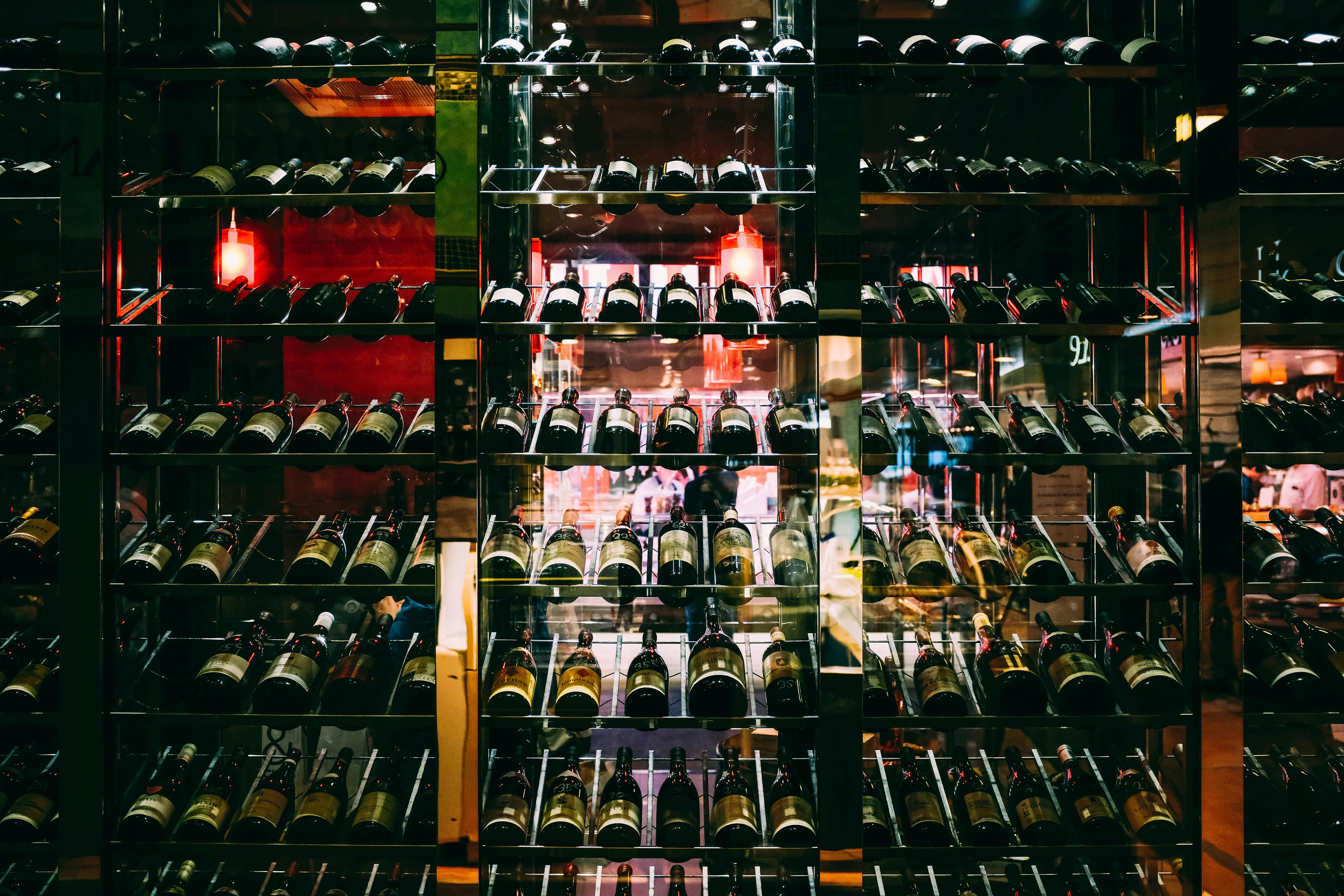
Imagine uncorking the future. The clink of glasses, the swirl of vibrant hues, the whisper of aromas telling tales of innovation and tradition intertwined. What if every sip you take in 2025 isn't just a drink, but a journey into the very heart of what's next? Prepare to have your perceptions shattered and your palate awakened, because the world of wine is undergoing a seismic shift, and the U.S. market is leading the charge. This isn't just about what's trending; it's about discovering the next great love affair for your senses, a revolution in a bottle that promises excitement, sustainability, and unparalleled taste. Are you ready to taste tomorrow, today?
🍷 What's Happening Right Now
The American wine landscape is a dynamic tapestry, constantly reweaving itself with threads of innovation, consumer demand, and a profound respect for the planet. As we peer into 2025, it's clear that the forces shaping our wine choices are more complex and exciting than ever before. Forget the staid traditions; a vibrant revolution is underway, driven by a new generation of winemakers and an increasingly adventurous, conscious consumer base. This isn't just about what's in your glass, but the story behind it, the values it embodies, and the experience it promises.
One of the most profound shifts is the relentless march towards **Sustainability and Ethical Sourcing**. This isn't a fleeting fad; it's a fundamental reorientation of the industry. Consumers, particularly younger demographics, are demanding transparency and responsibility. They want to know that their wine is produced with minimal environmental impact, that vineyard workers are treated fairly, and that the entire ecosystem benefits from the winemaking process. This means a significant surge in certified organic, biodynamic, and even regenerative viticulture practices. Wineries are investing in solar power, water conservation, and biodiversity initiatives, not just as marketing tools, but as core tenets of their philosophy. Look for labels proudly displaying certifications, or seek out smaller producers who champion these values, often found in regions like Oregon's Willamette Valley or the Sonoma Coast, where environmental stewardship is deeply ingrained.
Parallel to this is the meteoric rise of **Low-Alcohol and No-Alcohol (Lo-No) Wines**. The wellness movement has firmly taken root in the wine world. Health-conscious consumers are seeking options that allow them to partake in the ritual and pleasure of wine without the full alcoholic content. But this isn't your grandmother's grape juice; advancements in de-alcoholization technology mean that Lo-No wines are now delivering genuinely complex and enjoyable experiences. From sparkling wines perfect for a guilt-free brunch to still wines designed for mindful sipping, the quality has improved exponentially. Expect a wider array of sophisticated Lo-No offerings, particularly from innovative producers in California and New York, catering to those who want flavor without the full impact.
The very vessel your wine comes in is also undergoing a radical transformation. **Beyond the Bottle: Alternative Packaging** is no longer a niche or budget-friendly option; it's a mainstream choice driven by convenience, sustainability, and freshness. Canned wines, once relegated to picnics, are now premium products, perfect for on-the-go adventures, single servings, and reducing glass waste. Bag-in-box wines have shed their stigma, offering excellent quality and value for everyday consumption, keeping wine fresh for weeks after opening. Even wine on tap is gaining traction in restaurants and specialized wine bars. This trend is particularly strong among urban dwellers and younger consumers who prioritize practicality and environmental consciousness. Keep an eye out for high-quality single-serve cans of sparkling rosé or premium white blends, especially from West Coast wineries leading this charge.
Our palates are becoming more adventurous, craving the novel and the authentic. This fuels the trend of **Adventurous Palates: Lesser-Known Varietals & Emerging Regions**. While Cabernet Sauvignon and Chardonnay will always have their place, consumers are increasingly eager to explore beyond the familiar. Indigenous grapes from Italy, Spain, Greece, and Eastern Europe are finding their way onto American wine lists and retail shelves. Think Assyrtiko from Santorini, Furmint from Hungary, or Mencía from Spain. Domestically, regions like the Finger Lakes (Riesling), Texas Hill Country (Rhône varietals), and even Arizona (various Rhône and Mediterranean grapes) are gaining significant traction, offering unique terroir expressions and exciting new flavors. This trend caters to the 'discovery' aspect of wine appreciation, offering a richer, more diverse tapestry of tastes.
Sparkling wine is no longer just for celebrations; it's an everyday luxury. **Sparkling Sophistication** is about embracing the diverse world of bubbles. While Champagne remains the benchmark, American consumers are falling in love with everything from crisp Cava and elegant Crémant to the rustic charm of Pet-Nat (Pétillant Naturel) and the vibrant fruitiness of Lambrusco. Domestic sparkling wine production is soaring, with producers in California, Oregon, and New York creating world-class examples that rival their European counterparts. This trend speaks to the desire for versatility and joy in everyday moments, making sparkling wine a go-to choice for aperitifs, food pairings, and spontaneous celebrations.
And let's not forget the enduring allure of rosé, which continues its evolution. **Rosé Reimagined** sees it shed its summer-only image to become a year-round staple. While pale, dry Provençal styles remain popular, there's a growing appreciation for darker, more structured rosés, often made from grapes like Pinot Noir, Sangiovese, or Tempranillo. These are rosés with more complexity, texture, and food-pairing versatility, suitable for heartier meals and cooler weather. Wineries are experimenting with different production methods, including barrel fermentation and extended lees aging, to create rosés that defy expectations and offer serious cellar potential. The US market, particularly California, is producing a diverse range of high-quality rosés that push the boundaries of this beloved category.
Finally, the growing interest in **Natural Wine's Niche Expansion** reflects a desire for authenticity and minimal intervention. For a segment of wine enthusiasts, natural wine – made with organically grown grapes, fermented with native yeasts, and with little to no additives – represents the purest expression of terroir. While still a niche, its influence is expanding, particularly in urban centers and among younger, more adventurous drinkers. This trend is about transparency, health, and a return to traditional winemaking practices, offering wines that are often vibrant, unpredictable, and utterly unique.
💰 Best Options in Comparison
Navigating the exciting currents of 2025's wine trends can be exhilarating, but with so many choices, where do you begin your exploration? To help you make commercially valuable decisions and discover your next favorite bottle, we've broken down some of the hottest categories with their unique appeal and what to look for.
Option 1: The Eco-Conscious Choice – Sustainable & Biodynamic Wines
Option 2: The Mindful Indulgence – Premium Lo-No Alcohol Wines
Option 3: The Adventurer's Delight – Lesser-Known Varietals & Regions
Option 4: The Convenient & Modern Sip – Canned & Boxed Premium Wines
For the consumer who values the planet as much as their palate, sustainable and biodynamic wines offer a guilt-free indulgence. These wines are not just about taste; they're about a philosophy of respect for the land, biodiversity, and ethical labor practices. They often exhibit a unique vibrancy and purity that comes from healthy vineyards and minimal intervention winemaking.
The desire for mindful consumption doesn't mean sacrificing flavor or sophistication. Premium low and no-alcohol wines have transcended their former reputation, now offering complex aromatics and satisfying textures. These are perfect for those seeking to reduce alcohol intake without stepping away from the social and sensory experience of wine.
Break free from the familiar! The adventurous wine enthusiast will find immense pleasure in exploring the vast world beyond Cabernet and Chardonnay. This category offers incredible value and the thrill of discovery, introducing your palate to new textures, aromas, and stories from unexpected corners of the globe or emerging domestic regions.
Gone are the days when alternative packaging meant lesser quality. Canned and boxed wines are embracing premiumization, offering high-quality, often sustainably produced wines in formats that cater to modern lifestyles. They're perfect for outdoor adventures, casual gatherings, or simply enjoying a single glass without committing to a full bottle.
| Wine Trend Category | Key Characteristics | Best For | Typical Price Point (US) | Commercial Value & Discovery |
|---|---|---|---|---|
| Sustainable & Biodynamic Wines | Clean, often vibrant fruit; reflects terroir; produced with environmental and ethical considerations. Emphasis on minimal intervention. | Conscious consumers, food pairing, those seeking authentic expressions of place. | $20 - $75+ (reflecting quality and certification) | High. Strong appeal to values-driven buyers. Excellent for showcasing unique terroirs and supporting ethical producers. Look for certifications like Demeter, USDA Organic, or Lodi Rules. |
| Premium Lo-No Alcohol Wines | Sophisticated flavors, genuine wine characteristics, often lighter-bodied with crisp acidity. Advanced de-alcoholization techniques. | Mindful drinkers, designated drivers, daytime events, health-conscious individuals, mocktail bases. | $15 - $35 (reflecting improved quality) | Rapidly growing market. Offers an inclusive option for all occasions. Ideal for expanding your beverage repertoire without compromise. Seek out brands specifically focused on quality Lo-No production. |
| Lesser-Known Varietals & Regions | Unique flavor profiles, often indigenous grapes, diverse textures. Reflects specific microclimates and ancient traditions. | Adventurous palates, wine collectors, those seeking value beyond classic regions, exploring food pairings. | $18 - $60 (often offering exceptional value for quality) | Immense. High discovery potential and intellectual curiosity. Great conversation starters. Explore wines from Greece (Assyrtiko), Portugal (Vinho Verde), Hungary (Furmint), or US states like Texas & Arizona. |
| Canned & Boxed Premium Wines | Convenient, portable, fresh, often single-serve. Quality matches bottled equivalents. Environmentally friendly. | Outdoor activities, picnics, casual gatherings, portion control, reducing waste, travel. | $5 - $15 per can (or equivalent for boxes) | Very high. Meets modern lifestyle demands for convenience and sustainability. Excellent for impulse buys and expanding wine consumption occasions. Look for well-known producers offering their quality wines in these formats. |
Conclusion
As we gaze into the crystal ball of 2025, the U.S. wine market presents a landscape brimming with exhilarating possibilities. It's a future where your wine choices are not just about taste, but about values, lifestyle, and a relentless pursuit of discovery. From the profound commitment to sustainability that shapes every vine to the revolutionary convenience of alternative packaging, from the mindful indulgence of Lo-No options to the thrilling journey into lesser-known varietals, wine is evolving at an unprecedented pace.
For the discerning wine enthusiast, this means an unparalleled opportunity to explore, to challenge preconceptions, and to find new passions. The trends of 2025 are a testament to an industry that listens, innovates, and constantly strives to deliver experiences that resonate deeply with modern desires. Whether you're seeking to minimize your environmental footprint, embrace a healthier lifestyle, or simply broaden your palate with something truly unique, the options are more diverse and exciting than ever before.
At WINE MYSTIQUES, our mission is to guide you through this captivating evolution, illuminating the path to the wines that will define your future sips. Don't just observe these trends; immerse yourself in them. Dare to uncork a canned sparkling wine, explore a biodynamic Grüner Veltliner, or savor a premium non-alcoholic rosé. The future of wine is not just hot; it's a vibrant, sustainable, and endlessly delicious adventure waiting to be explored, one exquisite glass at a time. The next great pour is calling. Will you answer?