
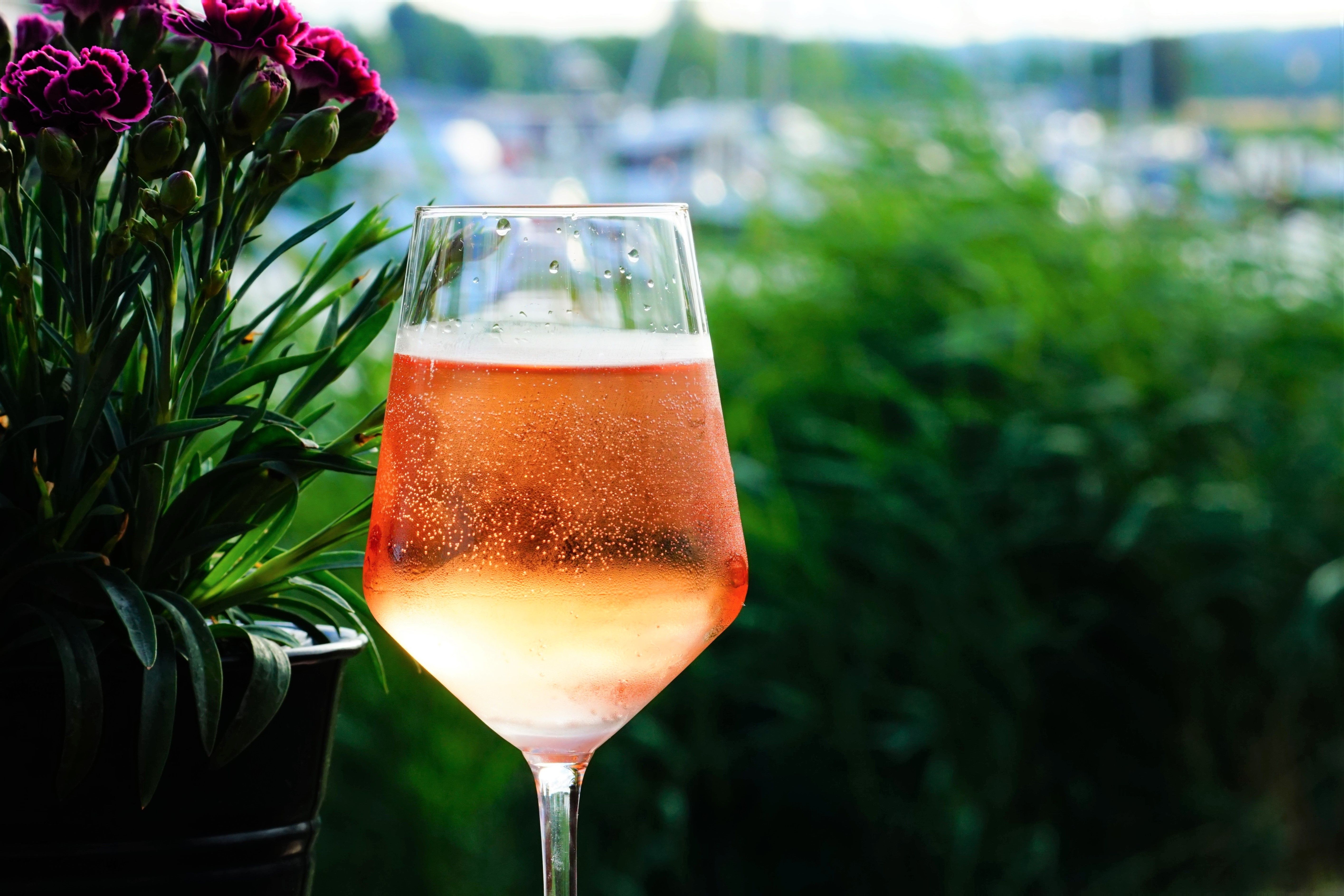
That first delicate pop, the whisper of effervescence, the cascade of tiny bubbles dancing in your glass – it’s more than just a drink; it’s the very essence of joy, celebration, and those unforgettable moments that sparkle in our memories. But beyond the festive clink, lies a world of exquisite craftsmanship, diverse flavors, and incredible value waiting to be discovered. Are you ready to elevate your everyday and transform special occasions into legendary ones? Let's uncork the magic of sparkling wine.
Sparkling Wine 101: Your Ultimate Guide to Uncorking Joy and Discovering the Best Bubbles
Welcome, fellow wine enthusiasts, to the effervescent world of sparkling wine! At WINE MYSTIQUES, we believe that every bottle holds a story, and sparkling wine, with its captivating bubbles and vibrant character, tells some of the most exciting tales. This isn't just a beverage for New Year's Eve; it's a versatile, sophisticated, and utterly delightful drink that deserves a place at every table, every celebration, and even in your quiet moments of indulgence.
From the iconic prestige of Champagne to the approachable charm of Prosecco, the crisp elegance of Cava, and the exciting innovations of American sparklers, the universe of bubbly is vast and inviting. We're here to demystify it all, offering you a comprehensive guide that not only teaches you the basics but also empowers you to make informed, delicious choices that align with your palate, your budget, and your desire for pure, unadulterated pleasure. Get ready to pop the cork on everything you need to know!
🍷 What's Happening Right Now
The sparkling wine landscape in the US is more dynamic and exciting than ever before. Gone are the days when bubbly was reserved solely for grand occasions. Today, American consumers are embracing sparkling wine as an everyday luxury, a perfect companion for brunch, a refreshing aperitif, and a versatile partner for a myriad of cuisines.
The Rise of "Anytime" Sparkle
We're seeing a significant shift from occasional indulgence to consistent enjoyment. This "anytime" sparkle trend is driven by several factors:
- Versatility: Sparkling wines pair exceptionally well with a wide range of foods, from fried chicken to sushi, making them a go-to choice for diverse dining experiences.
- Affordability: While Champagne remains a benchmark, the market is flooded with high-quality, value-driven options from Italy, Spain, France (outside Champagne), and the US, making sparkling wine accessible to more people.
- Cocktail Culture: The enduring popularity of mimosas, Bellinis, and the Aperol Spritz has introduced many to the joys of sparkling wine, often sparking further exploration into different styles.
- Wellness & Moderation: Lighter alcohol by volume (ABV) options and the perception of sparkling wine as a sophisticated, celebratory drink align with evolving lifestyle choices.
American Sparklers Stealing the Spotlight
California, Oregon, and Washington are producing world-class sparkling wines that are gaining international recognition. Wineries are investing heavily in traditional method production, utilizing classic Champagne grapes like Chardonnay and Pinot Noir, and crafting wines that rival their European counterparts in complexity and elegance. This domestic renaissance offers fantastic opportunities for wine enthusiasts to support local producers and discover incredible value.
Sustainability and Transparency
Consumers are increasingly conscious of where their wine comes from and how it's made. The demand for organic, biodynamic, and sustainably produced sparkling wines is growing, pushing producers to adopt more environmentally friendly practices and be transparent about their processes. This trend is not just good for the planet; it often leads to wines with a greater sense of place and purity.
The Spritz Phenomenon Continues
The Aperol Spritz, while not a pure sparkling wine, has undeniably boosted Prosecco sales and introduced a new generation to the concept of bubbly cocktails. This has led to a wider acceptance of sparkling wine as a mixer and a base for creative concoctions, further broadening its appeal.
In essence, sparkling wine is no longer just a luxury; it's a lifestyle. It's about finding joy in the everyday, celebrating small victories, and savoring moments with friends and family. And the market is responding with an incredible array of choices to fit every taste and occasion.
💰 Best Options in Comparison
Navigating the world of sparkling wine can feel daunting with so many names and styles. But fear not! Understanding the key differences will empower you to choose the perfect bottle, whether you're seeking a budget-friendly bubbly for mimosas or a prestigious vintage for a milestone celebration. Here's a look at the most popular types, compared to help you make the best commercial decisions for your palate and wallet.
- Champagne: The Quintessential Celebration
Hailing exclusively from the Champagne region of France, this is the gold standard of sparkling wine. Made primarily from Chardonnay, Pinot Noir, and Pinot Meunier using the traditional method, Champagne offers unparalleled complexity, fine bubbles, and often a toasty, brioche-like character. It's an investment, but one that consistently delivers on elegance and prestige.
- Prosecco: Italy's Approachable Charm
From the Veneto region of Italy, Prosecco is made primarily from the Glera grape using the Charmat method (tank fermentation). This results in a fresher, fruitier, and often more aromatic wine with larger, less persistent bubbles. It's typically lighter in body and price, making it a fantastic choice for everyday enjoyment, aperitifs, and cocktails like the Spritz or Bellini.
- Cava: Spain's Traditional Method Star
Predominantly from the Catalonia region of Spain, Cava is made using the traditional method, just like Champagne. It uses indigenous Spanish grapes like Macabeo, Parellada, and Xarel-lo, often blended with Chardonnay and Pinot Noir. Cava offers a drier, crisp profile with notes of citrus, green apple, and sometimes a hint of almond or brioche. It's an incredible value for traditional method sparkling wine.
- Crémant: France's Hidden Gems
These are French sparkling wines made outside of the Champagne region, using the traditional method. Crémant de Bourgogne, Crémant d'Alsace, Crémant de Loire, and others offer regional variations and excellent quality at a fraction of Champagne's price. They can be made from a wider range of grapes and often deliver elegant, nuanced flavors.
- American Sparkling Wine: Innovation and Quality
From California's Napa Valley and Carneros to Oregon's Willamette Valley, American producers are crafting exceptional sparkling wines, often using the traditional method and classic grapes. These can range from bright and fruity to rich and complex, offering a diverse array of styles and often great value compared to imported counterparts. Look for producers like Schramsberg, Iron Horse, Roederer Estate, and Argyle.
To help you choose, here's a detailed comparison table:
| Sparkling Wine Type | Origin | Primary Grape(s) | Production Method | Flavor Profile | Typical Price Range (US$) | Best For |
|---|---|---|---|---|---|---|
| Champagne | Champagne, France | Chardonnay, Pinot Noir, Pinot Meunier | Traditional Method | Crisp, complex, brioche, citrus, green apple, minerality. Fine bubbles. | $40 - $200+ | Milestone celebrations, gourmet pairings, gifting, impressing. |
| Prosecco | Veneto, Italy | Glera | Charmat Method | Fruity, floral, green apple, pear, honeydew. Larger, frothy bubbles. | $12 - $30 | Aperitifs, brunch (mimosas), casual gatherings, sparkling cocktails. |
| Cava | Catalonia, Spain | Macabeo, Parellada, Xarel-lo (also Chardonnay, Pinot Noir) | Traditional Method | Crisp, citrus, green apple, sometimes earthy/nutty. Fine bubbles. | $10 - $25 | Everyday traditional method, tapas, seafood, budget-friendly celebrations. |
| Crémant | Various regions in France (e.g., Alsace, Loire, Burgundy) | Varies by region (e.g., Pinot Blanc, Riesling, Chenin Blanc, Chardonnay) | Traditional Method | Elegant, fruity, often creamy texture, depends on region/grapes. Fine bubbles. | $15 - $35 | Versatile gifting, elegant dinners, excellent value for traditional method. |
| American Sparkling | California, Oregon, Washington | Chardonnay, Pinot Noir, Pinot Meunier (and others) | Often Traditional Method | Highly diverse, from crisp fruit-forward to rich and yeasty. | $18 - $70+ | Supporting domestic, exploring new styles, high-quality alternatives. |
Decoding the Label: Sweetness Levels Explained
Beyond the type of sparkling wine, understanding its sweetness level is crucial for making the right choice. This is indicated by terms on the label:
- Brut Nature / Zero Dosage: Bone dry, no added sugar after secondary fermentation. For purists.
- Extra Brut: Very dry, with minimal residual sugar. Crisp and refreshing.
- Brut: The most common style, dry but with a hint of fruitiness. Perfect for most occasions.
- Extra Dry (or Extra Sec): Confusingly, this is actually slightly sweeter than Brut, with a noticeable touch of sweetness. Great for aperitifs.
- Dry (or Sec): Noticeably sweet, often paired with desserts or fruit.
- Demi-Sec: Sweet, with substantial residual sugar. A dessert wine.
- Doux: The sweetest style, full-on dessert wine.
For most commercial purchases and general enjoyment, Brut is your safest and most versatile bet. If you prefer something a touch sweeter for brunch cocktails or lighter fare, Extra Dry can be a delightful choice.
The Magic Behind the Bubbles: How Sparkling Wine is Made
The effervescence that makes sparkling wine so captivating isn't just magic; it's the result of a secondary fermentation that traps carbon dioxide within the bottle or tank. There are two primary methods:
Méthode Traditionnelle (Traditional Method)
This is the classic method used for Champagne, Cava, and most high-quality Crémants and American sparkling wines.
- Primary Fermentation: Still wine is made from grapes (the "base wine").
- Tirage: The base wine is blended, then bottled with a small amount of sugar and yeast (the "liqueur de tirage").
- Secondary Fermentation: The yeast consumes the sugar inside the bottle, producing alcohol and CO2. The CO2 dissolves into the wine, creating the bubbles.
- Aging on Lees: The wine ages on the dead yeast cells (lees), which impart complex flavors like brioche, toast, and nuts.
- Riddling: Bottles are slowly rotated and tilted to collect the lees in the neck.
- Disgorgement: The neck of the bottle is frozen, the cap is removed, and the frozen plug of lees is expelled.
- Dosage: A small amount of wine and sugar (the "liqueur d'expédition") is added to top up the bottle and adjust sweetness.
- Corking: The bottle is corked and wired.
Charmat Method (Tank Method)
Used primarily for Prosecco, this method is more efficient and preserves the fresh, fruity characteristics of the grape.
- Primary Fermentation: Still wine is made.
- Secondary Fermentation: The base wine, sugar, and yeast are added to large, pressurized stainless steel tanks.
- Filtration & Bottling: Once fermentation is complete, the wine is filtered under pressure and bottled.
Mastering the Art of Serving: Temperature, Glassware, and That Perfect Pop
To truly appreciate sparkling wine, proper serving is key.
- Temperature: Serve sparkling wine chilled, but not ice-cold. Aim for 45-50°F (7-10°C). Over-chilling mutes the flavors, while too warm makes it overly frothy and less refreshing. An ice bucket filled with half ice, half water is ideal.
- Glassware: While flutes are classic for preserving bubbles, modern connoisseurs often prefer tulip-shaped glasses or even wider white wine glasses. These allow the aromas to develop more fully while still showcasing the effervescence. Avoid wide, shallow coupes unless you want the bubbles to dissipate quickly.
- Opening the Bottle: The "pop" is fun, but a quiet "sigh" is the mark of a pro.
- Remove the foil.
- Keep your thumb on the cork. Loosen the wire cage (muzzle) but do not remove it.
- Grip the cork firmly with one hand and the base of the bottle with the other.
- Rotate the bottle (not the cork!) slowly and gently. As the cork begins to push out, resist it with your hand to control its release.
- Ease the cork out with a gentle sigh, not a loud pop, to preserve the bubbles and prevent spills.
Pairing Perfection: Food Matches for Every Bubble
Sparkling wine is one of the most food-friendly wines on the planet. Its acidity and bubbles cleanse the palate, making it a fantastic match for diverse dishes.
- Brut Champagne/Cava/Crémant: Oysters, caviar, fried chicken, potato chips, sushi, goat cheese, roasted chicken, creamy pasta dishes. The acidity cuts through richness.
- Prosecco: Antipasti, prosciutto-wrapped melon, light seafood salads, fruit tarts, spicy Asian cuisine (especially Extra Dry styles).
- Rosé Sparkling (any type): Salmon, duck, charcuterie, berries, chocolate-covered strawberries.
- Demi-Sec/Doux: Fruit desserts, shortbread, pound cake, crème brûlée.
Don't be afraid to experiment! The "high-low" pairing of premium Champagne with comfort food like popcorn or fried chicken is a beloved trend among US wine enthusiasts.
Buying Smart: Tips for Every Enthusiast
Ready to stock your cellar or find the perfect bottle for tonight? Here's how to buy smart:
- Know Your Style: Refer back to our comparison table. Do you prefer crisp and dry (Cava, Crémant, Brut Champagne) or fruity and aromatic (Prosecco)?
- Read Reviews: Online wine retailers and reputable wine publications offer excellent reviews and scores. Look for specific tasting notes that appeal to you.
- Ask for Recommendations: Don't hesitate to consult staff at your local wine shop. They are often passionate and knowledgeable experts.
- Consider Online Retailers: Many online wine stores offer competitive pricing, a wider selection, and convenient delivery. Look for "sparkling wine deals" or "buy Champagne online" to discover great options.
- Explore Beyond the Obvious: While Champagne is iconic, don't overlook the incredible value and quality offered by Crémant, Cava, and American sparkling wines. These are often where you'll find the best "bang for your buck."
- Vintage vs. Non-Vintage: Most sparkling wines are Non-Vintage (NV), meaning they're a blend of wines from different years, ensuring a consistent house style. Vintage sparkling wines are made from grapes of a single, exceptional year and are often more complex and age-worthy.
Storage Secrets: Keeping Your Sparkle Pristine
Sparkling wine, especially traditional method wines, can age beautifully. Here's how to store it:
- Cool & Consistent Temperature: Store bottles at a consistent 50-55°F (10-13°C). Avoid extreme temperature fluctuations.
- Darkness: Keep wines away from direct sunlight and artificial light, which can degrade the wine.
- Humidity: Aim for 70-80% humidity to prevent corks from drying out.
- On Its Side (for cork-sealed bottles): If your sparkling wine has a traditional cork, store it horizontally to keep the cork moist and prevent oxidation. Screw-cap or crown-cap sparklers can be stored upright.
- Avoid Vibrations: Store in a stable location, away from appliances that cause vibrations.
Conclusion
Sparkling wine is a universe of joy, elegance, and endless discovery, waiting for you to explore. It’s a testament to the fact that luxury doesn’t always have to break the bank, and that celebration can be an everyday affair. From the intricate dance of bubbles in a vintage Champagne to the vibrant, fruity burst of a well-chilled Prosecco, each bottle offers a unique experience, a moment of pure delight.
At WINE MYSTIQUES, our mission is to empower your wine journey, transforming every sip into an adventure. We hope this "Sparkling Wine 101" guide has equipped you with the knowledge and confidence to dive deeper into this captivating category. So, go forth, explore the incredible array of options available, find your personal favorites, and don't hesitate to pop that cork – because every moment is an opportunity to sparkle. Cheers to your next extraordinary sip!